
What Healthcare Leaders Need to Know About the Rural Health Transformation Program
- Contributor
- Camie Patterson
Jan 5, 2026
With healthcare such a big part of the daily news cycle, it’s no surprise that rural healthcare providers are entering a period of significant financial transition. In July 2025, the One Big Beautiful Bill Act (OBBBA) was signed into law, introducing sweeping changes to federal healthcare funding. While the legislation includes reductions in certain healthcare funding streams and tighter eligibility provisions, it also established a new federal initiative designed to help states and providers manage the resulting impact: the Rural Health Transformation Program (RHTP).
The RHTP represents a substantial investment in rural healthcare, allocating $50 billion over five years, beginning in 2026 and running through 2030. For healthcare executives, finance leaders, and boards, understanding how this program works, where funding decisions now stand, and how states intend to deploy these dollars is critical to anticipating future revenue pressures and planning accordingly.
Why the Rural Health Transformation Program Was Created
The Rural Health Transformation Program was created in direct response to funding pressures introduced under the OBBBA. As federal healthcare funding is reduced and Medicaid eligibility requirements tighten, many providers, particularly those serving rural and underserved populations, are expected to face increased uncompensated care and higher volumes of uninsured patients. These shifts place additional strain on already thin margins for rural hospitals, health systems, and independent clinics.
The RHTP is intended to help states offset some of these pressures by supporting initiatives that stabilize rural healthcare delivery, strengthen access to care, and improve long-term sustainability. While the program is not designed to replace lost federal funding fully, it provides states with flexibility to address priority gaps created by the new legislative environment.
How RHTP Funding Is Structured
The Rural Health Transformation Program provides $50 billion in total funding, distributed evenly over five years, with approximately $10 billion available annually from 2026 through 2030. The funding structure is intentionally split into two components:
- 50% percent of the funds will be distributed equally across all 50 states with approved applications, providing a baseline level of support regardless of size or population.
- The remaining 50% will be distributed at CMS's discretion, based on program criteria that include rural population characteristics, healthcare infrastructure needs, and the state’s proposed use of funds.
This approach allows CMS to balance consistency with flexibility while giving states room to tailor investments to their most pressing rural healthcare challenges.
State Applications and Key Program Milestones
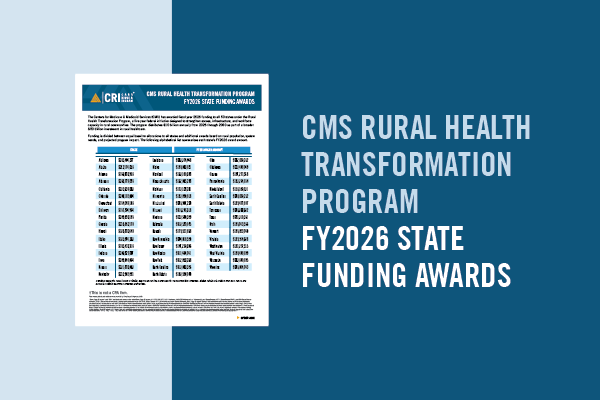
All 50 states submitted RHTP applications by the November 5, 2025, deadline, signaling widespread recognition of the program’s importance. CMS is now reviewing those applications and is expected to announce funding determinations by December 31, 2025.
Once funding decisions are finalized, states will begin implementing their approved strategies starting in 2026. For providers, this means the next several months are a critical window to understand how their state’s plan may affect funding flows, reimbursement dynamics, and care delivery models.
Common Strategic Priorities Identified by States
While CMS has not yet released final funding awards, early summaries of state applications and guidance from rural health organizations suggest several common strategic themes. Many states have proposed using RHTP funds to support rural hospital stabilization, expand behavioral health capacity, address workforce shortages, and improve access to primary and preventive care.
Other frequently cited priorities include investments in technology and digital health, care coordination initiatives, and programs to reduce avoidable hospital utilization. These priorities reflect a broader effort to strengthen rural healthcare systems while adapting to funding reductions across the broader healthcare ecosystem.
Implications for Hospitals, Health Systems, and Clinics
Despite the availability of RHTP funding, healthcare providers should expect continued financial pressure. Reductions in federal funding and increases in the number of uninsured patients are likely to affect revenue, particularly for organizations heavily reliant on Medicaid and government reimbursement.
Because RHTP dollars flow through state agencies, the actual impact on individual providers will depend mainly on how each state allocates its funding. Providers that are unaware of their state’s priorities or implementation plans may miss opportunities to access funding or to influence how resources are deployed.
What Healthcare Leaders Should Be Doing Now
Healthcare decision-makers and governing bodies, including CEOs, CFOs, and board members, should take a proactive approach as CMS reviews state applications. Engaging with state health and human services agencies can provide early insight into funding priorities and implementation plans. Providers should also begin evaluating how potential funding changes could affect their revenue streams, cost structures, and strategic initiatives.
Assessing exposure to funding reductions and identifying potential gaps will allow organizations to develop contingency plans, adjust operating strategies, and position themselves to respond quickly once CMS decisions are finalized.
If you have questions about how the RHTP may affect your organization or would like help assessing potential financial impacts, contact your CRI advisor. Our healthcare-focused accounting and advisory teams can help you evaluate funding exposure, model scenarios, and plan next steps as the program moves forward.