
The Importance of Building a Strong Business Plan
- Contributor
- Craig Corley
Nov 26, 2025
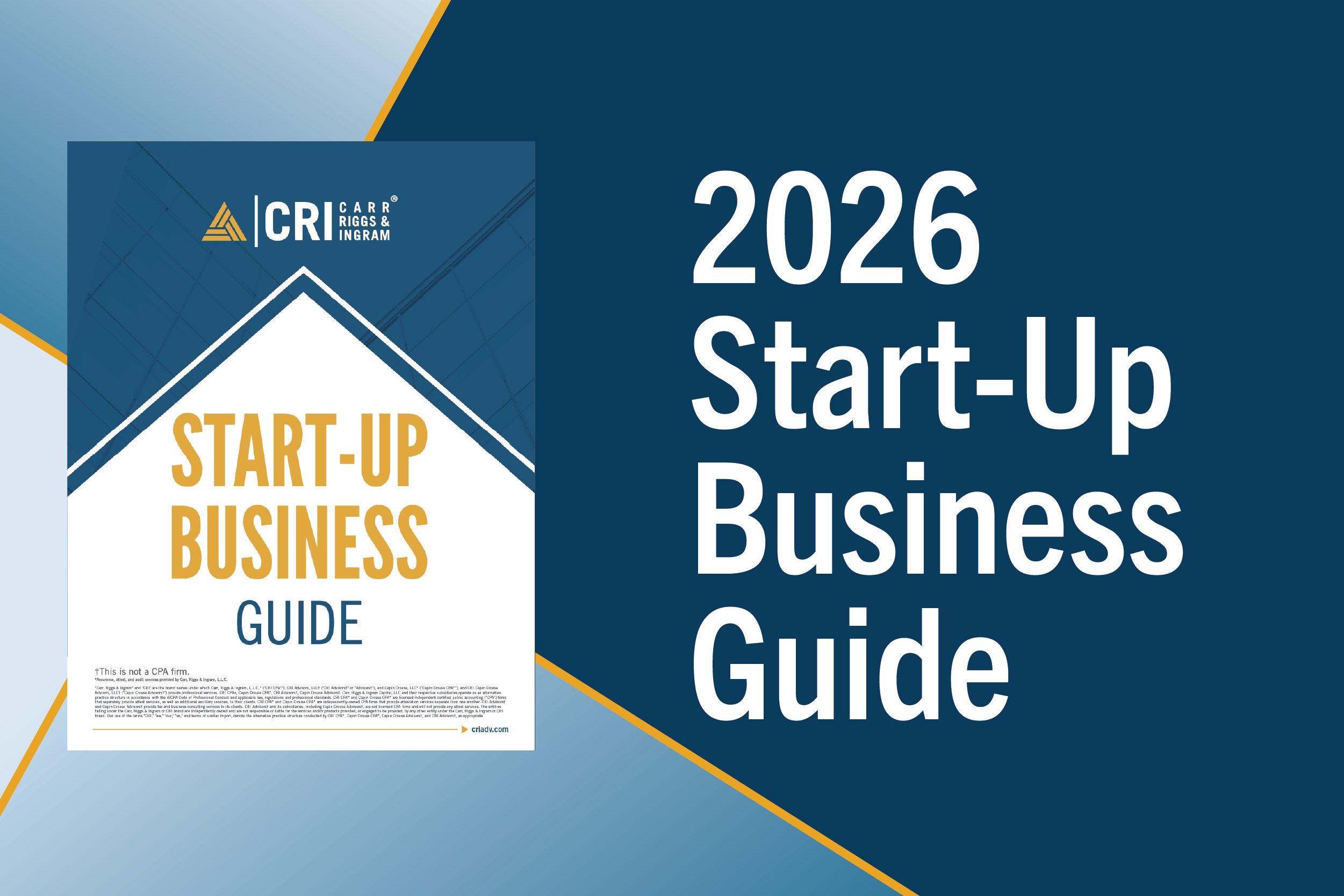
Launching or expanding a business can be exhilarating, but it also comes with challenges that can quickly overwhelm even the most passionate entrepreneurs. As an accounting advisor, I often remind clients that one of the most important tools they can create for themselves is a well-developed business plan. It is more than just a formality for lenders or investors—it is a roadmap for how your business will operate, grow, and adapt in the face of challenges.
A strong business plan helps you clarify your vision, evaluate opportunities realistically, and anticipate risks before they derail your efforts. Just as importantly, it demonstrates to outside parties—banks, investors, and suppliers—that you are serious, prepared, and committed to sustainable success.
Why a Business Plan Matters
From a financial perspective, a business plan is essential because it connects your goals to measurable strategies. Writing one forces you to answer difficult but necessary questions about your company’s future. You must define what products or services you provide and identify the needs they fulfill in the market. You must determine who your customers are, understand why they will choose you over competitors, and decide how you will communicate and build relationships with them. And you must explain how you will generate and manage the financial resources required to keep the business running smoothly.
Without working through these questions, even a promising idea risks failing under pressure. With thoughtful answers, you create a foundation for making decisions with clarity and confidence.
Core Elements of a Business Plan
While every plan should reflect the unique nature of your business, several key elements consistently appear in successful plans. Each one builds on the others to provide a complete picture of your vision and operations.
1. Statement of Purpose
The statement of purpose is the “why” behind your business. It defines your goals and explains the broader mission that drives your company forward. This section should be concise but compelling, setting the tone for the rest of the plan. In many ways, it is your elevator pitch in written form—an overview that can be quickly understood yet leaves a lasting impression.
2. Business Section
This portion of the plan provides a detailed picture of your company. It begins with a description of your business model, including what makes you different from others in the market. It then outlines your marketing plan, detailing how you intend to identify and reach your target customers. Competitive research plays a crucial role here, as it demonstrates that you have thoroughly studied the landscape and understand where your business fits. The section should also describe your operating procedures to illustrate how the company will function day to day, highlight key personnel and the strengths your team brings to the table, and outline the insurance coverage you will carry to protect against unforeseen risks.
3. Financial Data
The financial section is often the part that investors and lenders scrutinize most closely, and it is where an advisor’s expertise can make the most significant impact. This section typically includes loan applications if funding is needed, lists of capital equipment and supply needs, projected balance sheets, and a breakeven analysis. Pro forma income statements and cash flow projections are also critical. These projections should cover at least three years, breaking down the first year by month and the second and third years by quarter. Perhaps most importantly, these numbers must be backed by explicit assumptions. Unsupported or unrealistic figures can damage credibility and undermine the strength of your plan.
4. Supporting Documents
Finally, a strong business plan includes supporting documents that validate the information presented, especially when seeking outside financing. These may include tax returns and personal financial statements of the principal owners, copies of leases, franchise agreements, or licenses, resumes of leadership to demonstrate experience, and letters of intent from suppliers or partners. Collectively, these documents provide confidence to lenders and investors that your plan is grounded in a solid foundation and that you possess the necessary resources and relationships to succeed.
Bridging the Gap Between Vision and Execution
While templates and guides can provide structure, developing a meaningful business plan is never a one-size-fits-all process. This is where advisors like CRI play a vital role. We help clients test financial assumptions against real-world data, explain how cash flow dynamics are likely to unfold in their industry, and stress-test breakeven analyses to account for slower growth or unexpected costs. Beyond the numbers, we review risk management strategies—from insurance coverage to internal controls—to protect the business from potential setbacks.
Working with an advisor bridges the gap between vision and execution. It allows entrepreneurs to transform ideas into actionable strategies and create business plans that are not only compelling on paper but also practical in application.
Create a Plan That Grows With You
A business plan is not a static document, but a living guide that should be revisited regularly as your business evolves, markets shift, and new opportunities or risks emerge. The discipline of planning keeps you accountable, while the document itself demonstrates to others that your business is built on thoughtful analysis rather than guesswork.
Now is the time to strengthen your vision with a plan that works in practice—not just on paper. Contact your CRI advisor today to begin shaping a business plan that supports your growth, attracts the right partners, and positions you for lasting success. Whether you are starting out or scaling up, investing the time to create a robust business plan will pay dividends in clarity, confidence, and credibility. With the proper guidance, you can move from simply having an idea to building a business positioned for long-term success.