
IRS Form 1099-DA Expands Digital Asset Reporting for the 2026 Filing Season
- Contributor
- Debbie Alexander
Feb 2, 2026
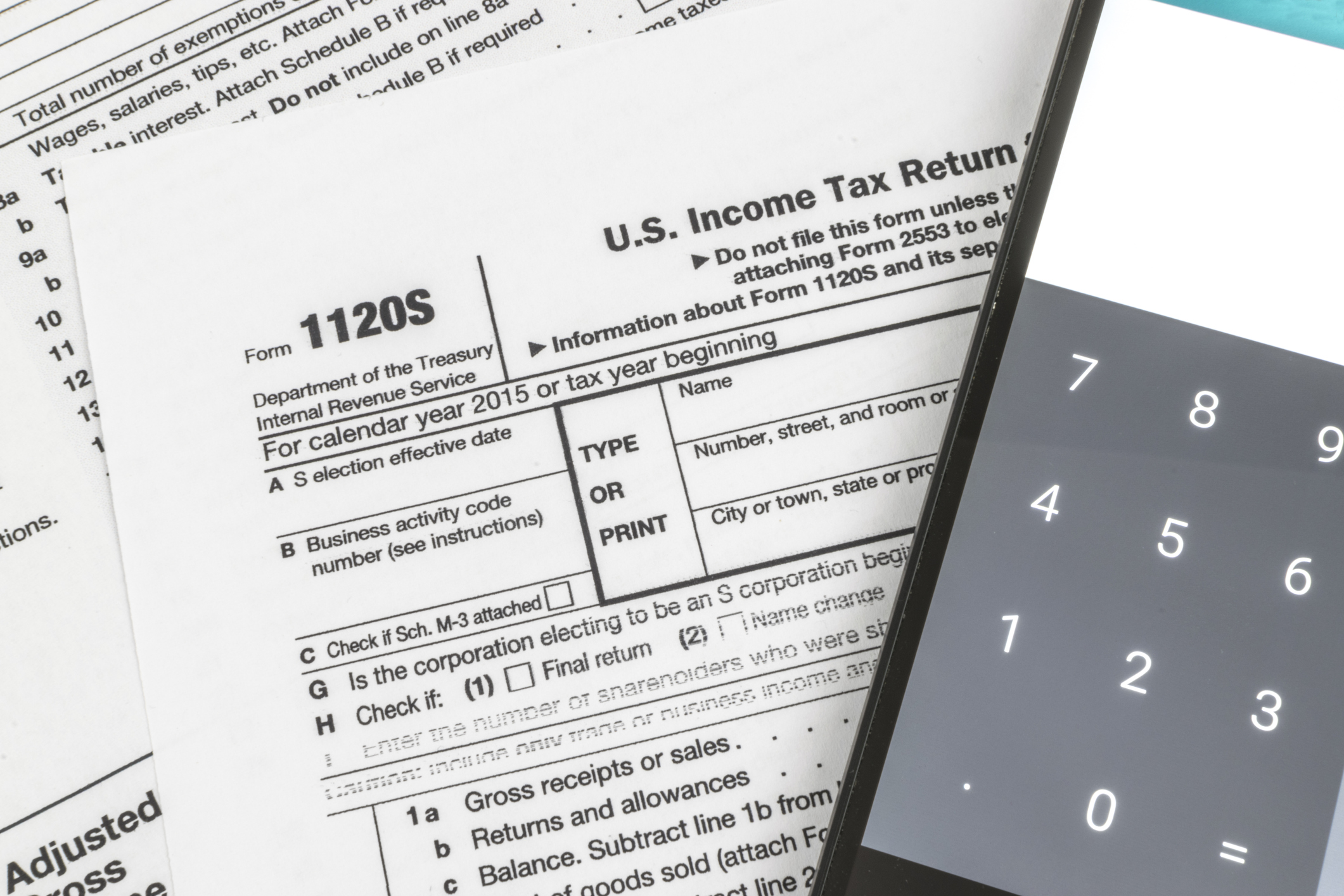
Digital assets have created ongoing challenges for tax reporting due to inconsistent documentation, incomplete transaction data, and limited third-party verification. These issues have made it difficult for both taxpayers and the IRS to track gains, losses, and taxable events related to cryptocurrency and other digital assets. To address this, the IRS now requires Form 1099-DA, Digital Asset Proceeds From Broker Transactions, for digital asset transactions starting in 2025, aimed to improve clarity and consistency in reporting.
What Is Form 1099-DA?
Beginning in early 2026, some taxpayers will receive Form 1099-DA as part of their annual tax documentation. This new IRS information return is used to report proceeds from certain digital asset transactions, including sales, exchanges, or other dispositions of cryptocurrency and non-fungible tokens (NFTs).
Like other forms in the 1099 series, Form 1099-DA provides the IRS with third-party reporting that can be matched against a taxpayer’s return. Its purpose is to bring greater consistency to digital asset reporting, close long-standing information gaps, and improve overall tax accuracy. As digital assets become more integrated into the financial system, the IRS is placing increased emphasis on transparency and standardized reporting.
Who May Receive Form 1099-DA?
Not all taxpayers will receive Form 1099-DA. However, individuals involved in certain digital asset transactions may receive it during the 2026 filing season for 2025 activity.
You may receive Form 1099-DA if you:
- Sold or exchanged cryptocurrency through a digital asset trading platform;
- Disposed of NFTs or other qualifying digital assets;
- Used digital assets in transactions where a broker or platform is required to report proceeds; or
- Paid for certain purchases, including real estate transactions, using digital assets reported by the receiving entity.
Brokers required to issue Form 1099-DA include cryptocurrency exchanges, hosted wallet providers, payment processors, and other platforms that facilitate digital asset transactions for customers.
How Form 1099-DA Affects Your Tax Return
Receiving Form 1099-DA does not automatically mean additional tax is owed. However, because the IRS also receives a copy, reported proceeds are more likely to be matched against a taxpayer’s return, making accurate reporting especially important.
Taxpayers remain responsible for determining the cost basis of digital assets sold or exchanged and calculating any resulting gain or loss. For 2025, Form 1099-DA reports gross proceeds only and is not required to reflect cost basis or transaction-level adjustments. As a result, the information reported on the form should be reconciled with personal transaction records, exchange statements, and wallet activity. Differences between reported proceeds and amounts reflected on a tax return may prompt IRS follow-up inquiries, particularly for taxpayers who frequently transact or use multiple platforms.
Taxpayers should be prepared to:
- Retain documentation supporting cost basis and transaction history.
- Confirm that reported proceeds align with their own records.
- Properly report gains or losses from digital asset transactions, including exchanges between digital assets and not just conversions to cash.
Taking a proactive approach to digital asset reporting can help minimize compliance risk, support accurate filings, and provide greater confidence as IRS reporting requirements continue to evolve.
Preparing for the 2026 Filing Season
Advance preparation for the 2026 filing season can help reduce uncertainty. Reviewing transaction histories, identifying which platforms may issue Form 1099-DA, and understanding how those amounts flow through the tax return can help prevent surprises at filing time. Like other 1099 forms, any Form 1099-DA received should be reviewed carefully and incorporated into overall tax reporting.
For questions about how digital asset transactions should be reported or for assistance evaluating the related tax implications, contact your CRI advisor. Thoughtful planning and clear documentation can help you navigate these requirements with confidence as digital asset reporting continues to evolve.