
A contractor’s cash position and working capital help sureties assess its financial strength and determine its bonding capacity.
A surety bond is a necessary fact of life for most contractors. In the hard-bid and public works markets, contractors must be able to get both bid and performance bonds to bid, win, and construct a project. It’s essentially an insurance policy — the surety takes over if a contractor fails to complete a project. Like a line of credit at a bank, the maximum amount a contractor can bond is determined by its financial health, the size of its work backlog, and its ability to do the work.
These requirements become more stringent during unpredictable times as surety companies raise the bar and ratchet down bonding credit/capacity. Where a contractor’s bond capacity might be 20 times its discounted working capital in a typical environment, that multiplier can be drastically reduced when financial markets are unstable. With so much uncertainty in today’s economy, sureties are particularly interested in a contractor’s cash position and discounted working capital.
How Can Contractors Improve Working Capital and Bonding Capacity?
A well-established company with a strong cash position will appear more attractive to a surety. Contractors can strengthen their financial position by collecting receivables promptly, reviewing debt repayment terms, evaluating options for long-term assets, and managing investments and cash payments.
Here are five steps to take:
1. Monitor Receivables and Collections
Closely monitor and work receivables to make sure collections come in on time. Ensure your clients have adequate financing and no credit limitations, and perform due diligence on subcontractors.
2. Review Debt Repayment Terms
If you have an impending balloon payment on a large debt, consider refinancing it for a longer term. By doing this, the debt immediately drops out of current liabilities and improves working capital. That can be a particularly wise move in an unstable environment, when interest rates are typically low.
3. Evaluate Borrowing Against Assets and Selling Idle Equipment
Consider borrowing money against long-term assets over a four- or five-year term to put cash in the bank. Of course, selling idle equipment helps, too, as it eliminates a long-term asset and immediately converts it into cash.
4. Review Equity Investments
Be careful about investing in equity securities, as they can be drastically discounted during a financial crisis due to market instability. They can also greatly impact discounted working capital.
5. Manage Cash Payments
Closely monitor and restrict cash payments. If you need new work trucks or other equipment, finance them rather than pay cash to avoid impacting working capital.
Prepare for Greater Competition and Tighter Bonding Capacity
Uncertainty is nobody’s friend in the business world. While large, established contractors can adjust their strategy and bid on smaller jobs during times of uncertainty, it becomes a perfect storm for small- to medium-sized contractors competing for a smaller pool of work, even as bonding capacities get squeezed.
With the proper guidance, a contractor can maximize discounted working capital and put themselves in a stronger position to weather a financial storm. Contact your CRI advisor if you need assistance navigating the challenging business landscape. They can help you maximize discounted working capital and position your business for greater stability, even in financially turbulent times.
Relevant insights
FIRE Is Retiring: What Information Return Filers Need to Know for...

Why Smaller Reporting Companies Continue to Receive SEC Comments

Tax Tactics: 2026 Year-End Tax Planning for Your Business

Tax Tactics: 2026 Year-End Tax Planning for You & Your Family

Building Financial Oversight: A Controller-Level Roadmap for Growing Organizations

Texas Senate Bill 1851 Raises the Stakes for Municipal Audit* Readiness

After the Storm: How Natural Disasters Can Affect Your Financial Statements

How the NIST Cybersecurity Framework Can Help Improve IT Risk Assessment...

Captive Insurance as a Strategic Risk Management Solution for Healthcare Providers

What Are Deferrals, Where Did They Come From, and Why Are...

Is Your Retirement Plan Ready for the Audit* Implications of the...

Succession Planning for Medical Practices: Why the Best Time to Start...

FinCEN Ends BOI Reporting Requirements for U.S. Companies

Deferred Outflows and Deferred Inflows of Resources in a Nutshell

The One Big Beautiful Bill Act and Medical Practices: Preparing for...

Preparing for the Unexpected: A Business Disaster Preparedness Checklist
Are Your Personal Financial Records Ready for an Emergency?

The Rules of Giving: Navigating Charitable Contributions and Compliance

Deferrals from the Perspective of the User of Government Financial Statements

Top Five August 2026 Announcements for Higher Education Institutions

Financial Preparedness: Is Your Business’s Finance Function Ready for a Disruption?

IRS Expands Business Tax Account Features for Businesses

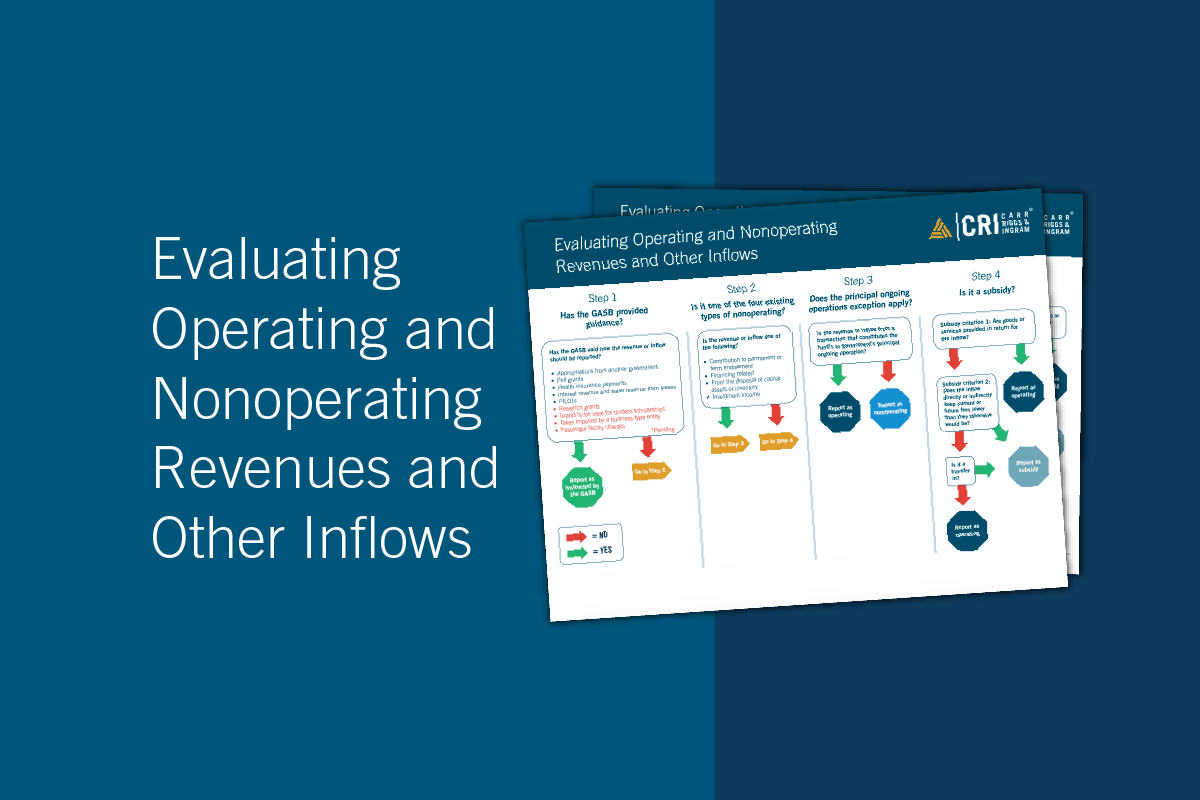
Evaluating Operating and Nonoperating Revenues and Other Inflows
The IIA Updates Its Statement of Position on the Three Lines...

How to Prepare Your Financial Reporting Function Before Going Public

Demystifying Deferrals: Illuminating the Intricacies of State and Local Government Accounting...
Analyzing Key Financial Indicators: Expense Ratios

How Contract Language Impacts Construction Cost Verification

Should the OBBBA Change Your Exit Strategy — Or Your Exit...

5 Key Nonprofit Outcome Metrics and How to Use Them

How One Construction Project Can Unlock Four Tax Incentives

Proposed Regulations Intend to Clarify Employer Contributions to Trump Accounts

The Accounting Implications of Lease Modifications for Nonprofits

SECURE 2.0 Compliance Is Moving Forward. Is Your EBP Auditor Ready?

How International Outreach Organizations Can Use Programmatic Audits* to Strengthen Global...

Unraveling Transfer Pricing Rules in Mexico

Rural Health Transformation Is More Than a Grant Program—It’s a Test...

Five Lessons Learned from Implementing GASB Statement 103

How Auditors* Can Support Clients with Non-Attest Services

Leveraging UPMIFA to Enhance Your Institution’s Financial Viability

What the DOL’s Audit Quality Findings Really Mean for Plan Sponsors

Top Eight July 2026 Announcements for Higher Education Institutions

Developing a Strategy for IT Asset Management Success

Sustaining the Call: Pastoral Health for the Long Haul

Evaluating Public Company Readiness Before Choosing a Go-Public Path

How to Create an Effective Employee Cybersecurity Training Program

Proposed SEC Reforms Could Transform Registered Offerings and Company Reporting

Implementing GASB Statement 103: Lessons Learned So Far

Exploring the Benefits of Ministerial Compensation

Employee Benefit Plan Cybersecurity Requirements for Plan Sponsors

Transforming the Back Office into a Scalable, Strategic Function

Updates to the AICPA’s SAS No. 141 through SAS No. 149

Charitable Giving Strategies After the OBBBA: What Changed?

From Budget to Forecast: How Budgeting and Variance Reviews Strengthen Cash...

Know to Grow

Important Tax Considerations Before You Fund a Trump Account

Application and Software Inventory: How Does It Work?

How Changes to Federal Student Borrowing Could Affect Higher Education Cash...

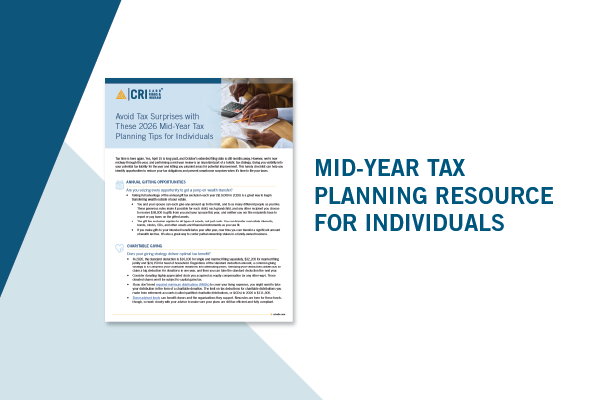
2026 Mid-Year Tax Planning Resource for Individuals
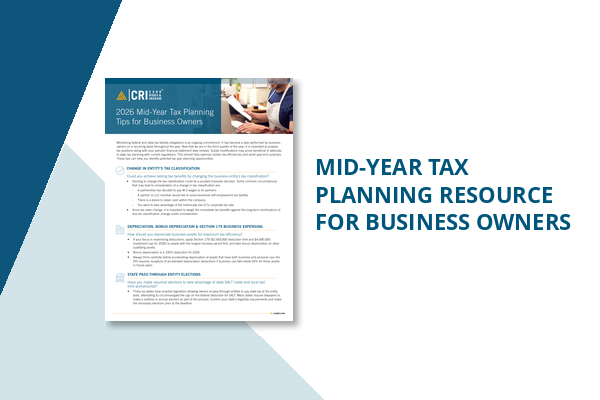
2026 Mid-Year Tax Planning Resource for Businesses
The OBBBA Made Tax Planning More Complicated: What to Do Now...

Church Data: Understanding Key Church Financial Metrics

Is Now the Time To Revisit Your Entity Structure?

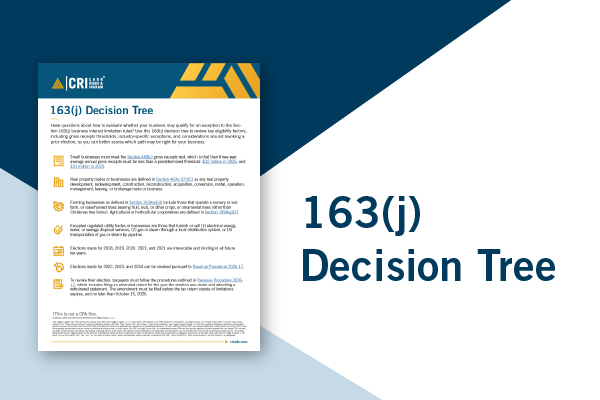
163(j) Decision Tree
How Contractors Can Bridge the Age Gap and Plan for the...

Revisiting the Accounting Standard for Leases: ASC 842

What Higher Education Institutions Need to Know About the One Big...

What Makes a Great Church CFO: Moving Beyond the Numbers

Three Areas Driving Performance for Manufacturing and Distribution Companies

CRI CapinCrouse Lease Toolkit

Why Small Companies Struggle with Technical Accounting — and How to...

Is Your Organization Keeping Up with GLBA? What Nonprofit and Higher...

How Texas SB 1851 Is Impacting Municipalities and Steps to Ensure...

Social Engineering Attacks: Considerations for SMBs

Smaller Public Companies Need Big 4-Level Execution, Not Big 4 Everything

Construction Cost Verification: See the Full Picture, Protect Your Organization

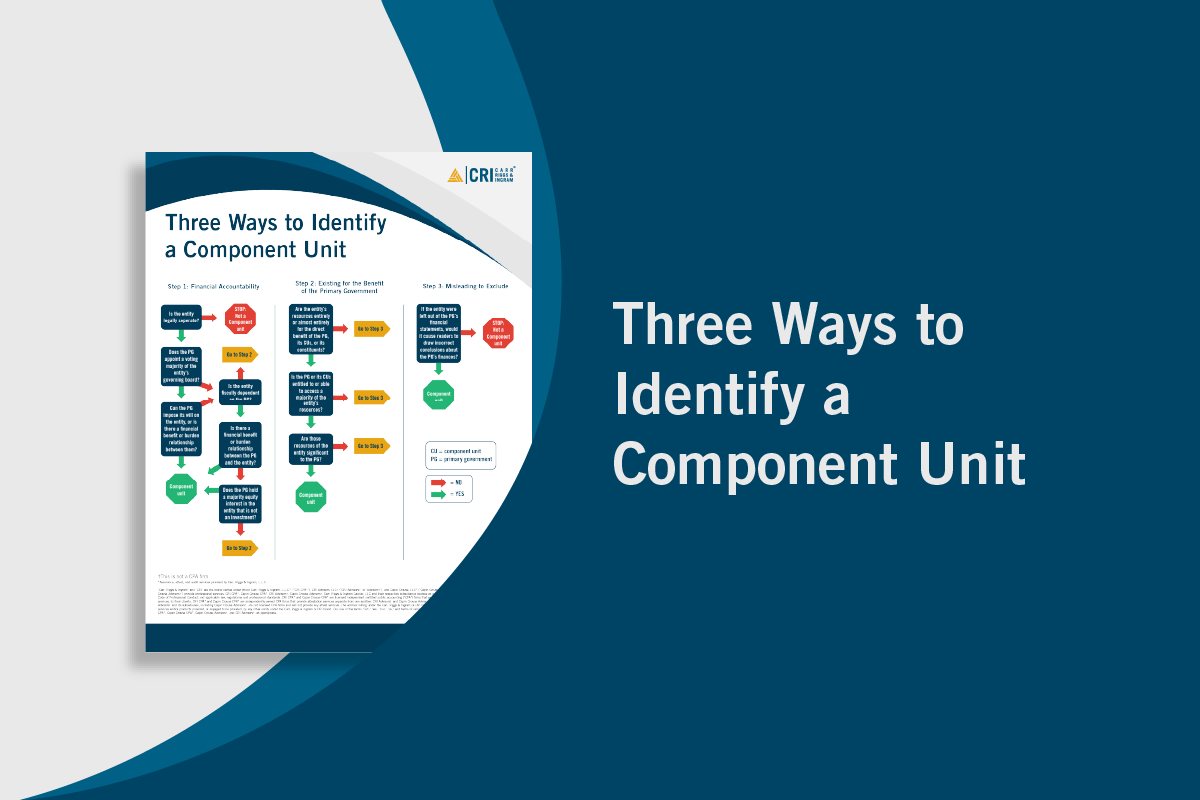
Three Ways to Identify a Component Unit
Summertime Activities That Can Yield Tax Savings

From Invoices to Insight: Transforming Accounts Payable into a Strategic Engine...

Refund Claims Under Kwong v. United States: Why Taxpayers May Need...

IRS to Revise Form 990 to Require Additional Information from Nonprofits

What Type of Independent Assessments Do Managed Service Providers Complete and...

From Dashboards to Decisions: Turning Financial and Operational Data into Actionable...

New Opportunities Zone Rules Coming in 2027: Should You Invest Now...

7 Numbers Your Small Business Needs to Track (Beyond Revenue)

The Great Labor Reset: A Profit-Focused Framework for Managing Labor

From Desktop to Cloud: Enabling Real-Time Financial Management Through Modern GL...

Gig Workers: What’s Up with Form 1099-K?

Deeper Dive into the “New” World of R&D: What You Need...

Entity Choice Post-OBBBA: Restructure Your Business in a Stronger QSBS

What Changed and What Didn’t After the April 2026 Micro Captive...
Start-Up Business Guide
How to Create a Compensation Philosophy and Policy for Your Nonprofit

Tariff Refunds: Do You Qualify?

Higher Education Trends Update: Understanding the Times and Knowing What to...

CAAS vs. Tax: Understanding the Difference and Why It Matters

GSA Raises the Bar on Cybersecurity for Federal Contractors

New Clarity on Micro Captives: Court Limits IRS Authority on Listed...

Real Estate Businesses Take Note: Rev. Proc. 2026-17 Lets You Revisit...

The Great Rotation: What Small-Cap and Microcap Companies Should Know

IRS Expands Online Self-Service Access for Partnerships, Tax-Exempt Organizations, and Government...

Executive Compensation Excise Tax FAQs
Tax Implications of Moving Abroad

Elements of an Effective Gift Acceptance Policy

Analyzing Key Financial Indicators: Income Ratios

Reimbursement Plans Done Right: Mastering Expense Reimbursements in the Nonprofit World

What Every Nonprofit Board Member Should Know About Restricted Funds
Managing Restricted Funds: How to Stay in Compliance with Grant Agreements...

Choosing the Right Path to the Public Markets

The Four S’s That Keep Church Leaders Awake at Night
Strengthening Capital Project Oversight Through Construction Cost Verification

The Re-Emergence of the SPAC: A More Disciplined Second Act

Is Your Organization Running as Effectively as It Could Be?

How to Evaluate the Effectiveness of Your Accounting Tech Stack

Rethinking Executive Pay: How the OBBBA May Change Your Nonprofit’s Compensation...

GASB Reporting Entity Standards: Component Units and Fiduciary Activities

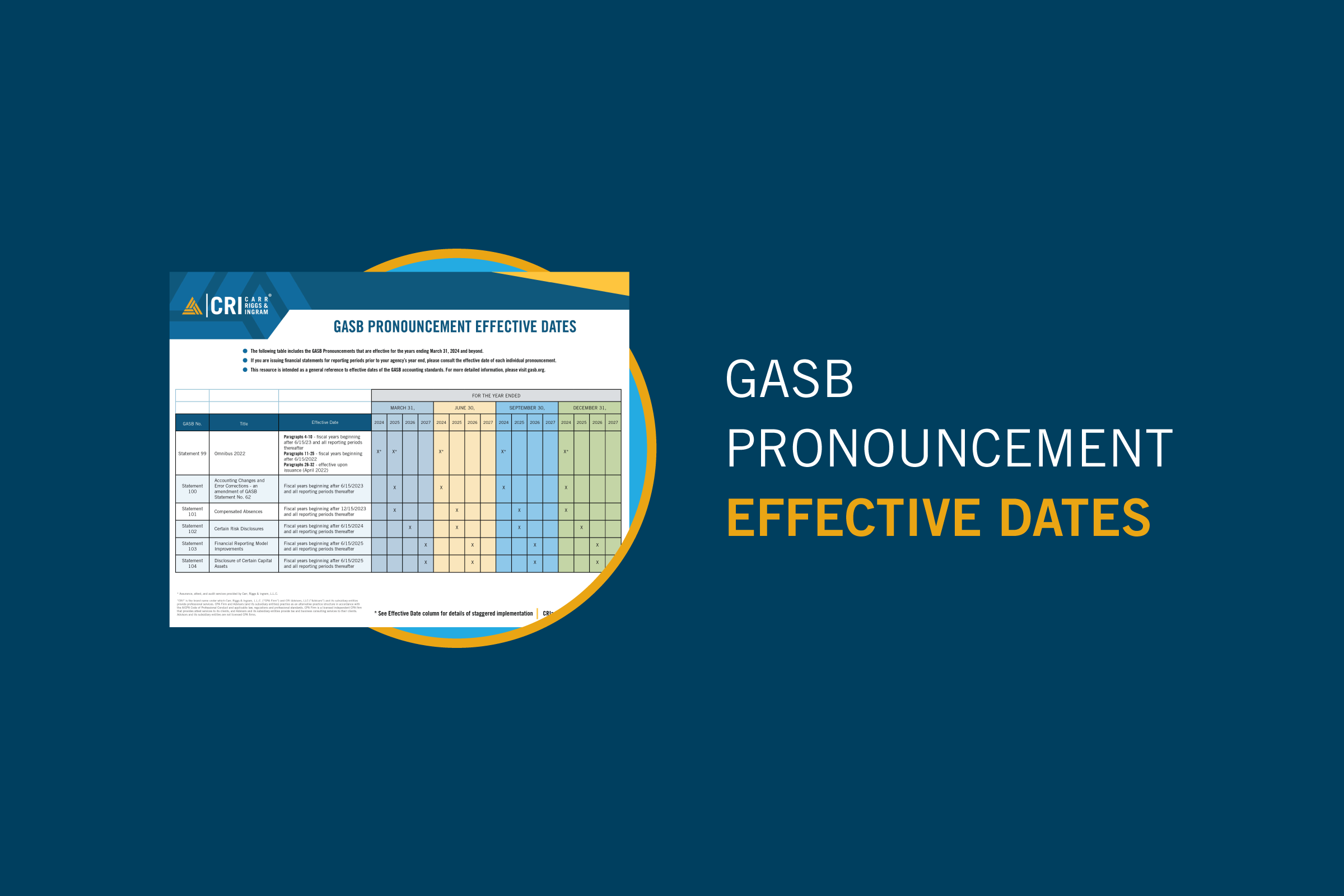
GASB Pronouncement Effective Dates
Accounting Tech Stack Optimization

Harvesting Value: The Role of Bonus Depreciation in Enhancing Agricultural Investments

Spring Cleaning Now Improves Business Performance All Year

Unlocking Potential: Strategies for Finding Your Church’s Ideal CFO

Energy Credits are Being Phased Out: What You Need to Know

Six Common Accounting Tech Stack Questions

Transitioning to the De Minimis Indirect Cost Rate Can Boost Nonprofit...

How to Review a SOC Report for IT Services

Enhance Your Fundraising with Planned Giving

Nonprofit Board Governance: Senior Leader Warning Signs to Watch For

Did Interest Just Get Cheaper? How the OBBBA Restores Interest Deductions...

25% Interest Exclusion for Qualified Lenders on Rural and Agricultural Loans

4 Cybersecurity Myths That Are Sabotaging Your Organization
Employee Use of AI: Why You Need a Policy and What...

Ensuring Financial Integrity in Church Operations

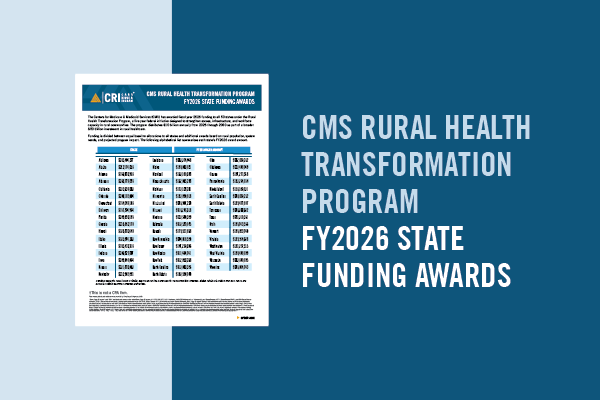
CMS Rural Health Transformation Program: FY2026 State Funding Awards
Nonprofit Board Governance: Warning Signs to Watch For

How to Succeed with Like-Kind Exchanges: Key Rules and Pitfalls to...

What the $50B Rural Health Transformation Program Means for States and...

The Exit Ramp – Navigating the Sale of your Business

Keeper of the Vault: A Business Owner’s Guide to Cybersecurity
IRS Releases Updated Discount Factors for the 2025 Accident Year

How Private Equity Investment and Deal Activity Are Expected to Shape...

Estate Tax Planning After the OBBBA: What High-Net-Worth Families Should Revisit...

What Public Companies and IPO Candidates Need to Know About Changes...

Group Exemption Changes: What Nonprofits Need to Know

What the Heck Are IT Best Practices — and Who Actually...

Understanding the New Medicare Advantage Reporting Requirement for Cost Reports

Glossary of Governmental Accounting and Financial Reporting Terms
Nonprofit Board Governance: Goals and Responsibilities

Are Your Social Security Benefits Subject to IRS Taxation?

Prepare Your Organization for a Successful Single Audit*

The Ins and Outs of Physician Compensation Models

Does Your Nonprofit Need a Chief of Staff?

Building and Maintaining Donor Relationships in Your Church

Two Practical Use Cases for F Reorganizations: From Simple Restructurings to...

Choosing the Right Path for Association Political Engagement

Best Practices for Preventing Fraud at Your Church

IRS Form 1099-DA Expands Digital Asset Reporting for the 2026 Filing...

What Lenders and Borrowers Need to Know About New 2025 Auto...

Using Passkeys: A Key to Strengthening IT Security and Streamlining Authentication

Understanding Recent Medicare and Medicaid Reimbursement Developments

Practical Steps to Safeguard Your Financial Reporting System

What Board Members Should Know About Financial Oversight

Subpart F Reorganizations: FAQs
100% Bonus Depreciation: What It Means for Businesses and Financial Institutions

Anticipating Change: 7 Steps to an Effective Succession Plan

Is Your Practice Embracing Cash Pricing as Insurance Costs Rise?

Understanding the Alabama Rural Hospital Investment Tax Credit

Captive Insurance – Walking the Walk

What Parents and Financial Institutions Need to Know About Trump Accounts

IRS Issues Standard Mileage Rates for 2026

What Healthcare Leaders Need to Know About the Rural Health Transformation...

F Reorganizations in M&A: What S-Corps Need to Know About this...

Turning Financial Statements into Better Business Decisions

Global Internal Audit Standards* Domain II: Ethics and Professionalism Quick Reference...
Single Audit* and Yellow Book Update 2025: What Entities Need to...

Mission-Centered Governance: Best Practices for an Effective Nonprofit Board

C Corporation Charitable Contribution Deduction Limits Changing After 12/31/25

Understanding Cost Segregation and Tax Audit* Defense

Don’t Get Ready for Fiscal Year-End. Stay Ready.

What Businesses Need to Know About New Rules for Employer-Provided Meals...

Data to Dollars: Turning Your Numbers Into Action

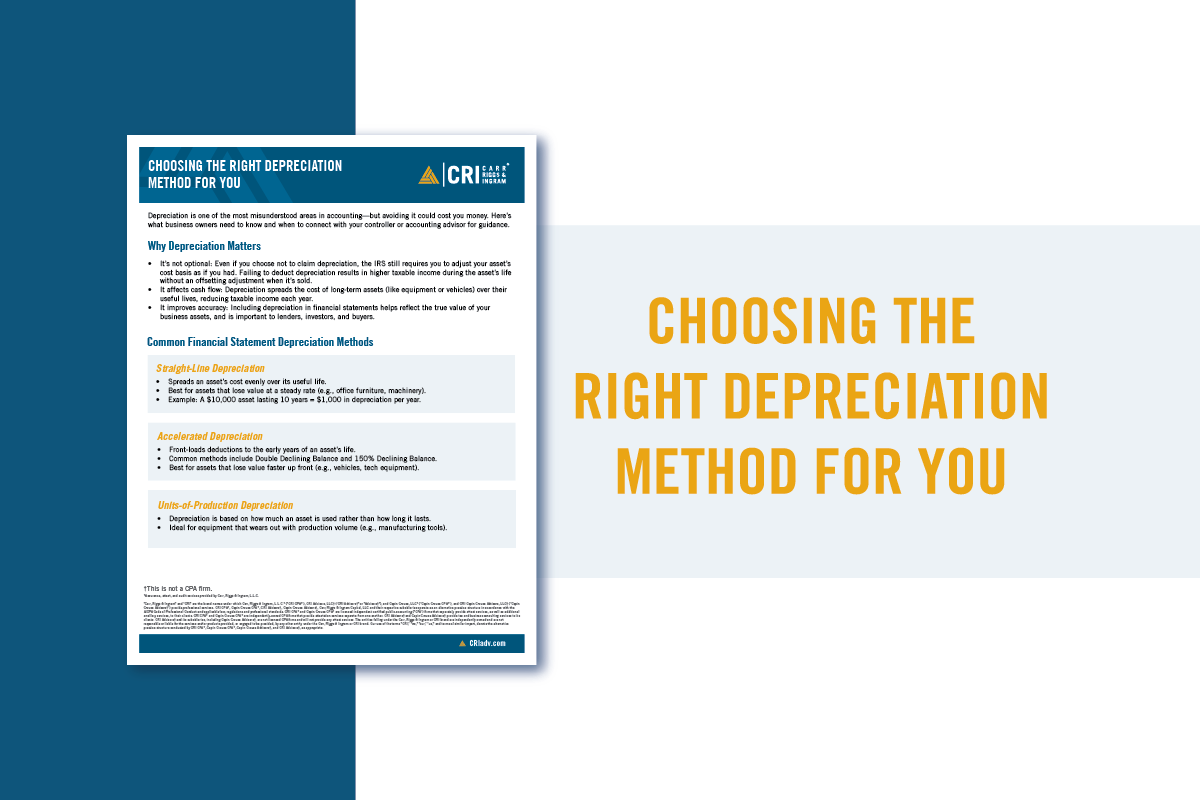
Choosing the Right Depreciation Method for You
The Role of Maquiladoras in Mexico and Global Manufacturing

6 Strategies for Managing Cash Flow During Uncertain Times

What Is the Qualified Small Business Stock Gain Exclusion?

Help Your Business Finish Strong with These 10 Year-End Tasks

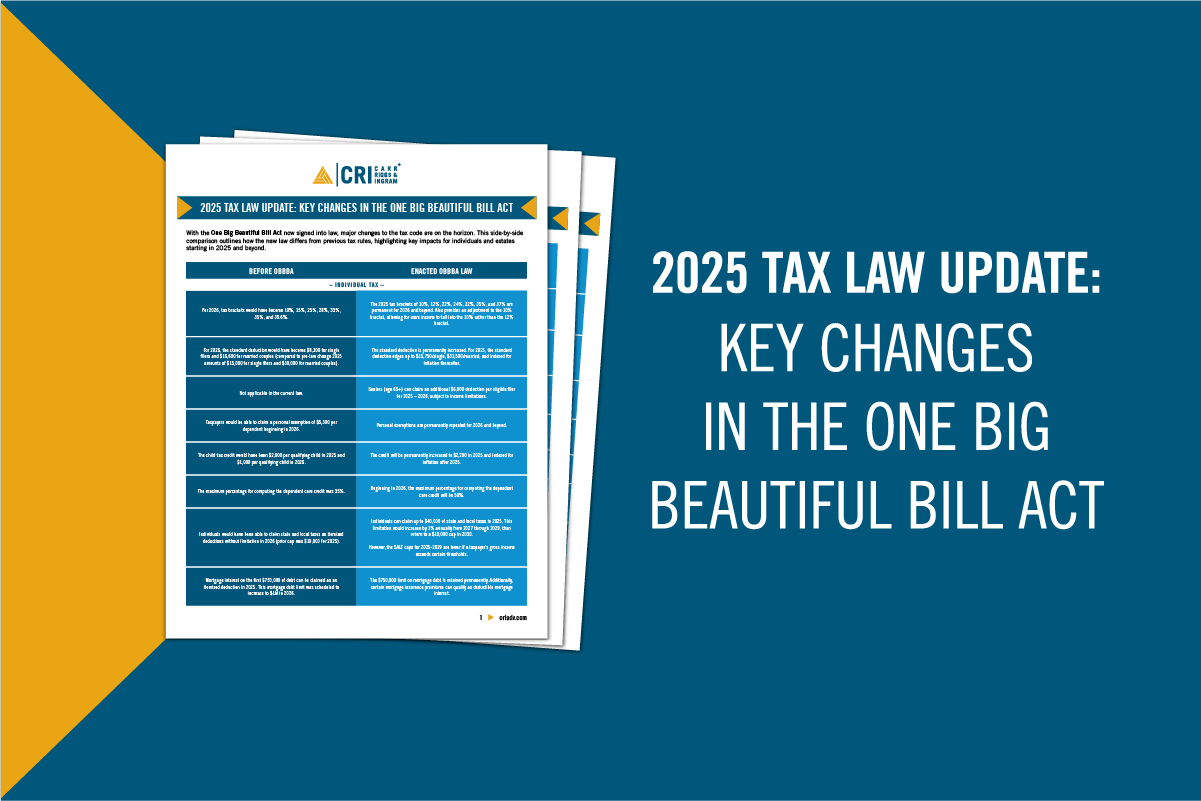
2025 Tax Law Update: Key Changes in the One Big Beautiful...
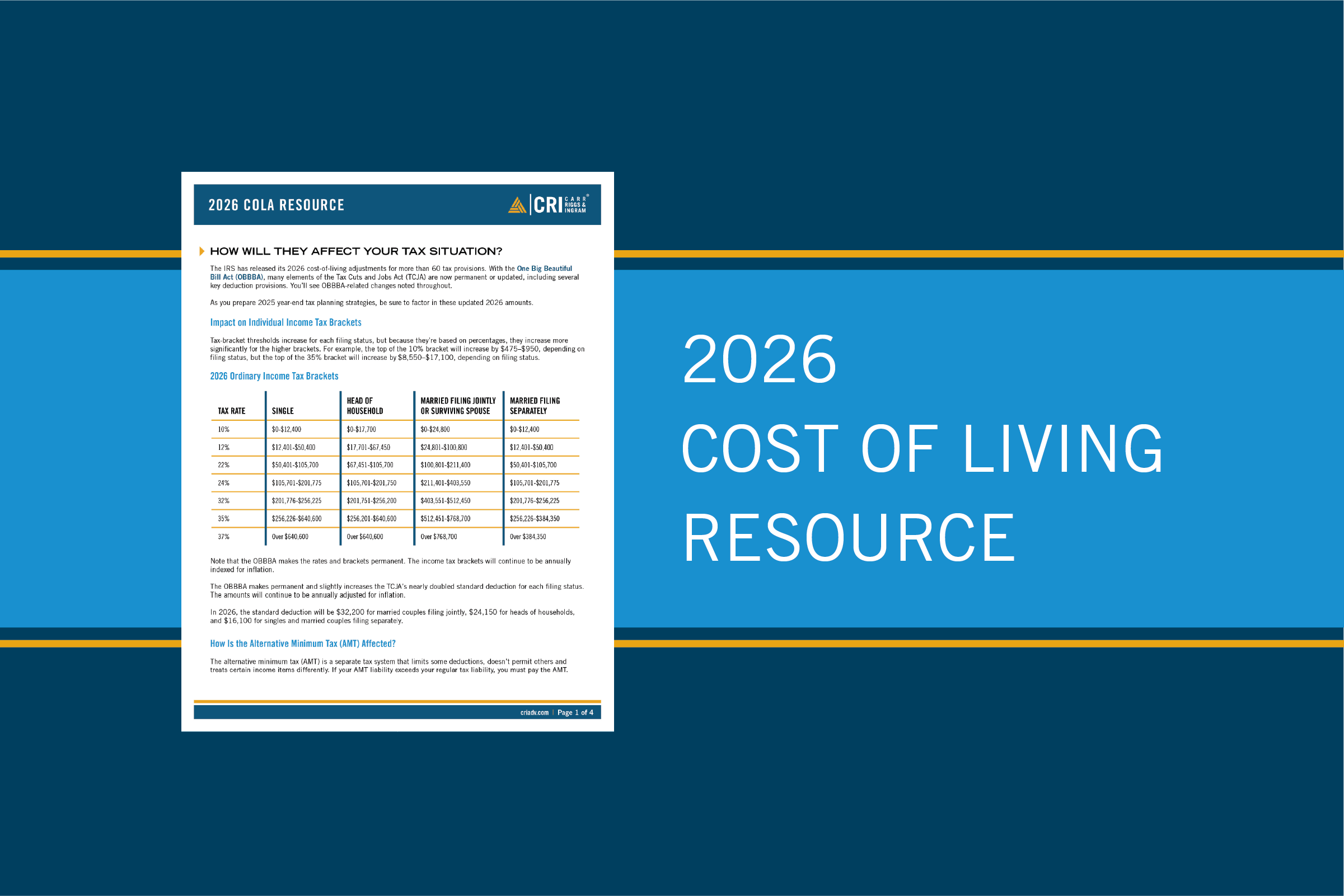
2026 Cost of Living Adjustment Resource
Alert: 2025 OMB Compliance Supplement Released
Small Business Deductions and Limits You Need to Know in 2025...

The Importance of Building a Strong Business Plan

How the One Big Beautiful Bill Act Supercharges Cost Segregation Studies

Making the Most of Your Charitable Giving

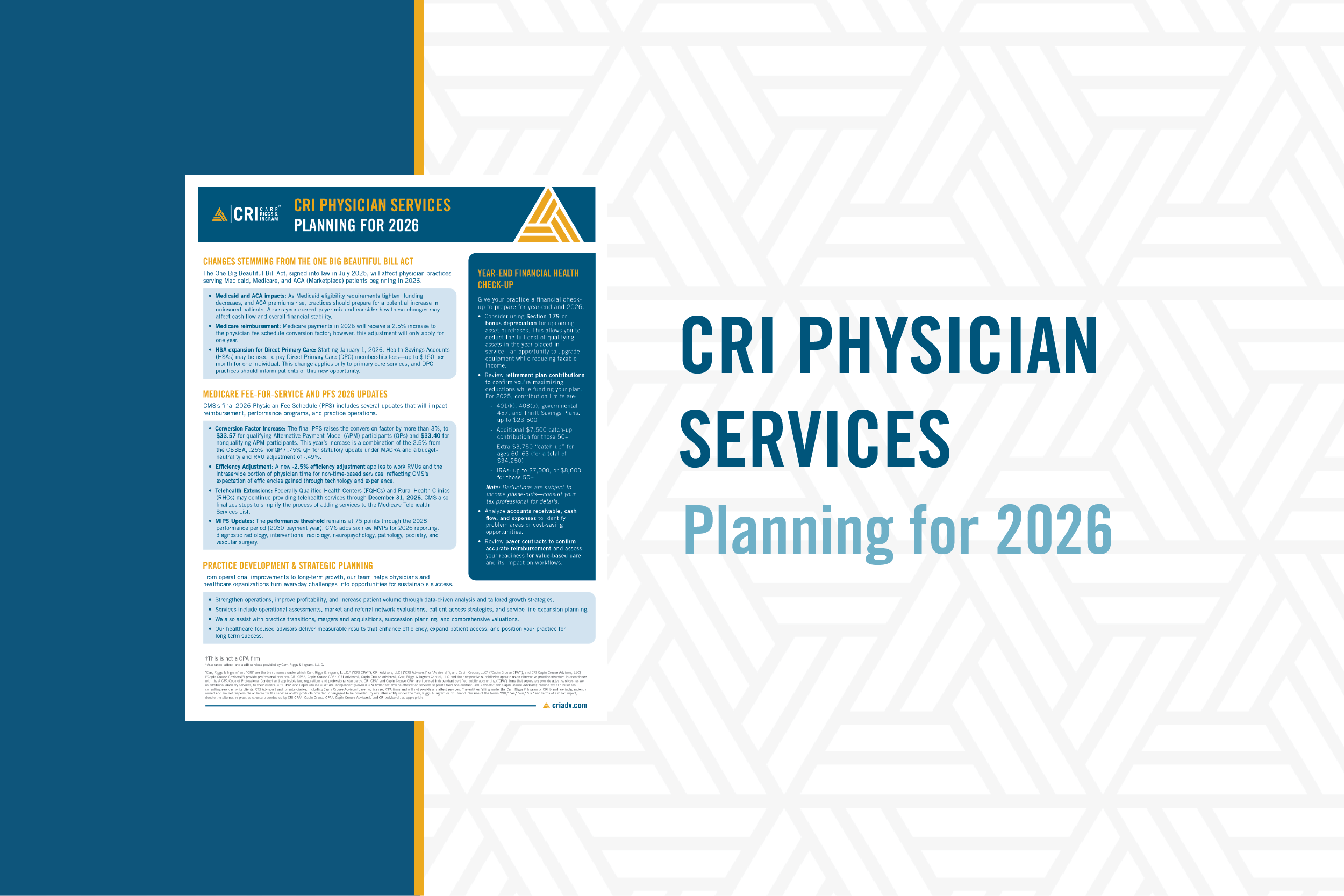
CRI Physician Services: Planning for 2026
GASB 101 Implementation Checklist

R&D Looks Different Now that the One Big Beautiful Bill Act...

How to Ensure Your Church Bookstore Is Tax Exempt

Marketing and Growing Your Patient Base as a New Practice

Colorado Offers Discounted State Tax Credits for Corporations

Credit Memorandum Best Practices and “The 5 C’s”

Domain II—Ethics and Professionalism – An Ethics Update for Internal Auditors

Adapting to “The New World” of Micro-Captive Insurance Regulations

Charitable Lead Trust vs. Charitable Remainder Trust: A Comparison
Exploring Alternative Funding Methods for Nonprofits

Smoke, Heat, or Fire? — Choosing the Right Forensic Service When...

What the OBBBA Means for Exempt Organizations

What the End of Paper Checks in Tax Payments Means for...

Tax Alert: IRS Releases 2026 Inflation Adjustment
What Every Physician Should Know Before Signing an Employment Contract

Stewardship in Staffing and Software

How the Government Shutdown Is Putting Nonprofits at Risk — and...
Exit Planning: Start Early to Maximize Your Company’s Worth

2025 Nonprofit Tax Year-End Review

Where to Start When You Want to Open Your Own Medical...

Security Implications of a Remote Work Environment

Are You Exit Ready?
5 Conversations Every Business Owner Should Be Having With Their Accountant

Small Changes in the OBBBA Could Add Up to Wins or...

Tax Tactics: 2025 Year-End Tax Planning for You & Your Family

Tax Tactics: 2025 Year-End Tax Planning for Your Business

Store Sensitive Business Data Securely in the Cloud

Prepare, Recover, Emerge Stronger: A Roadmap for Financial Perseverance in Times...
GASB Provides Guidance on “Ghost Columns” and Other Implementation Issues

Calculating Your Business Interruption Loss

2025 National Church Virtual Seminar: Future-Ready: Strategies for Changing Times

Business Interruption Claims Can Prevent the Unexpected

Is Your Accounting Software Holding You Back?

GASB 101 Decoded: Lessons Learned and Next Steps for Compensated Absences

Disaster Recovery: Protect Your Assets With the Right Insurance

Understanding the Basics of Business Interruption Claims

Bonus Depreciation is Back! What Else Did the OBBBA Change About...

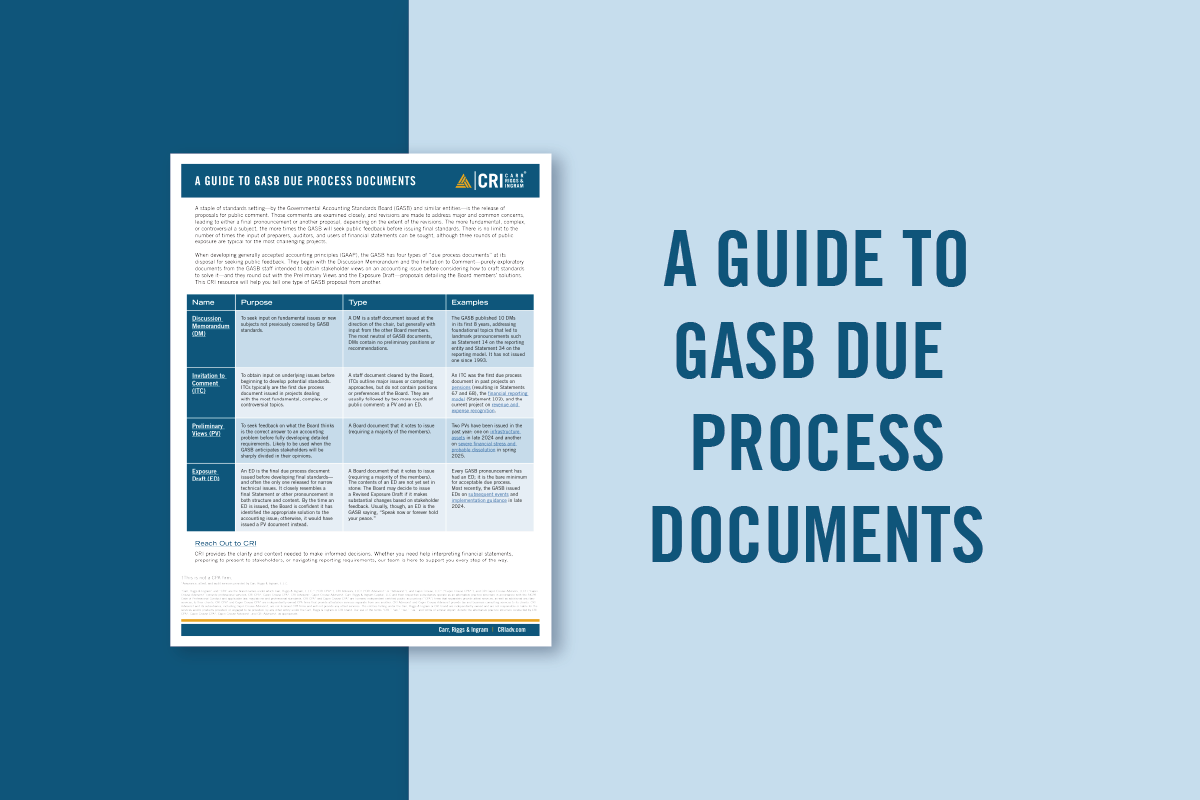
A Guide to GASB Due Process Documents
Maintaining Financial Controls in a Disrupted, Remote-Work Environment

Benefits of Creating a Captive Insurance Company

Understanding Section 163(j) and Real Estate Professional Rules for Tax Planning

Understanding Terms Found in Common Business Interruption Policies

Establishing the Right Legal Entity for Your Business

The OBBBA’s Ripple Effect: What it Means for SALT Policy

Step by Step: Stay Resilient with a Crisis Planning Checklist

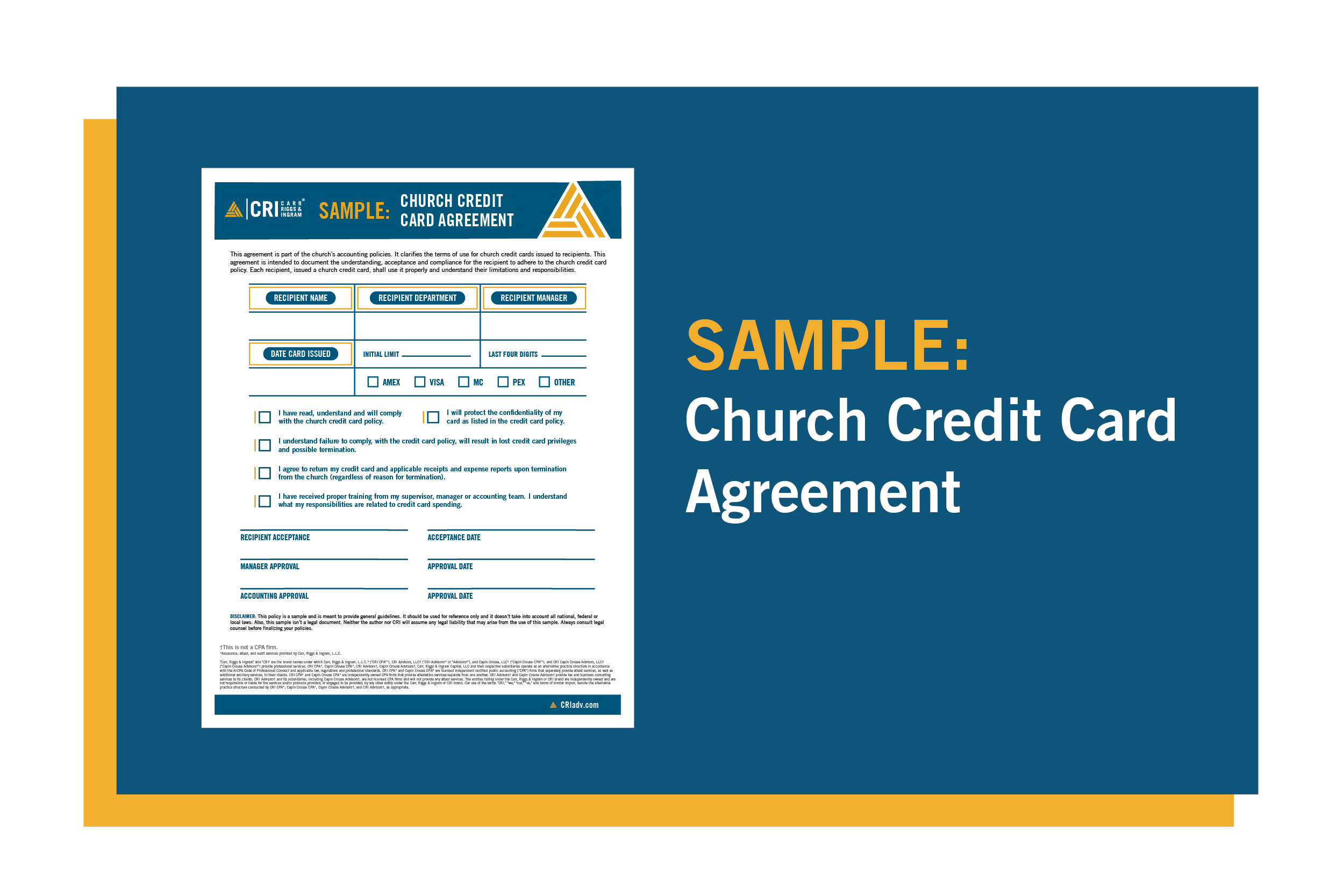
Resource: Sample Church Credit Card Agreement
Alert: Executive Order to Phase Out Paper Checks
Important Considerations for Church Benevolence Programs

Keeping the Business in Family Business

Higher Education Mergers for Financial Sustainability

Decoding Unrelated Business Income Tax

Private Foundations 101: How They Work, Key Differences, and Planning Strategies

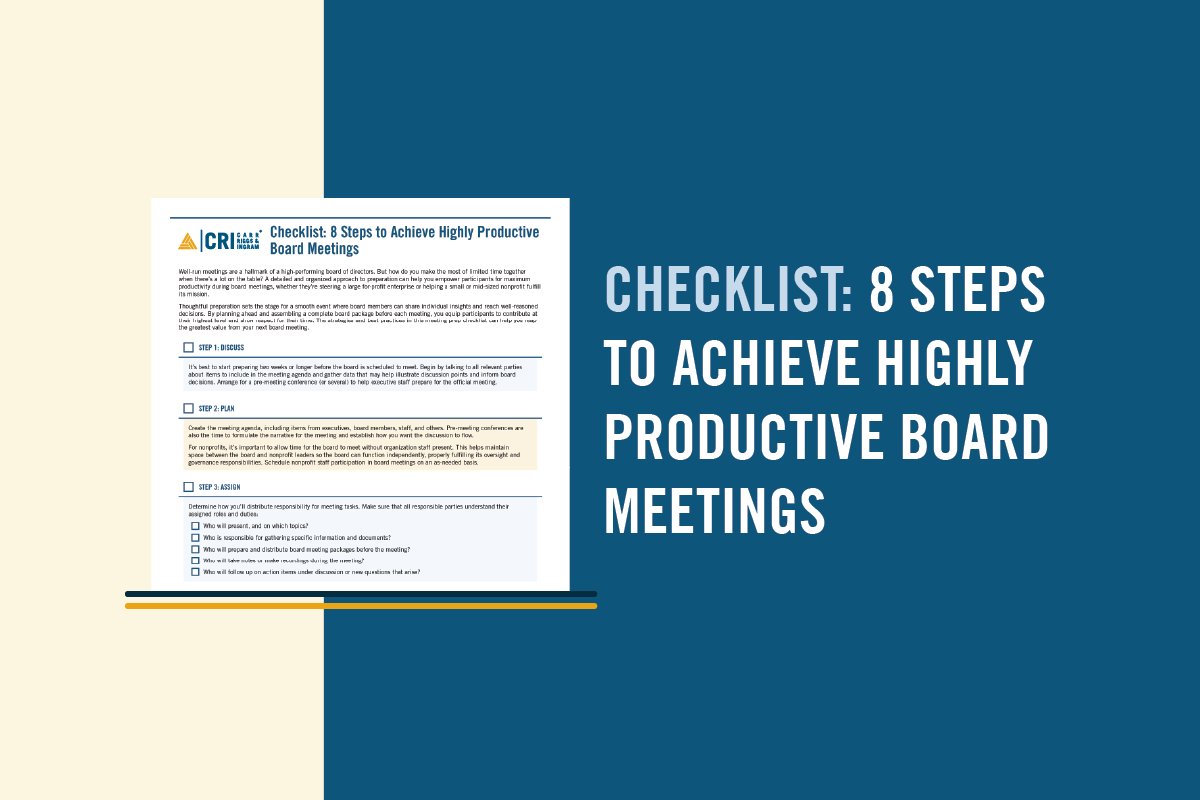
8 Steps to Achieve Highly Productive Board Meetings Checklist
Analyzing Key Financial Indicators: Debt Ratios

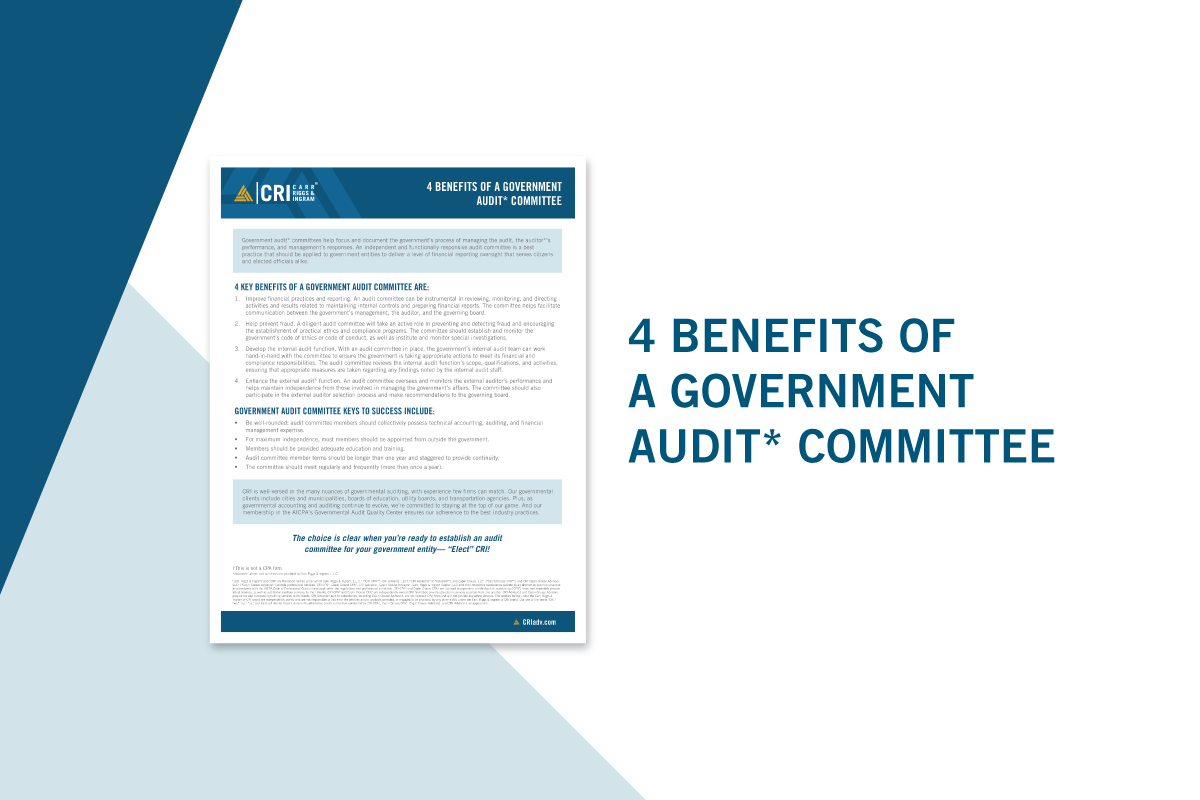
4 Benefits of a Government Audit* Committee
All About the Budget: Get Ready for Buyer’s Due Diligence in...

Managing Your Loved One’s Estate Checklist

Solving the Hardship Withdrawal Program Administration Puzzle

Beyond Compliance: Prioritizing Donor Data Privacy in the Non-Profit Sector

Retirement on the Horizon? Make Tax Planning a Priority

Relief for Texas Taxpayers Impacted by 2025 Floods
Is Your Rental Real Estate a Business?

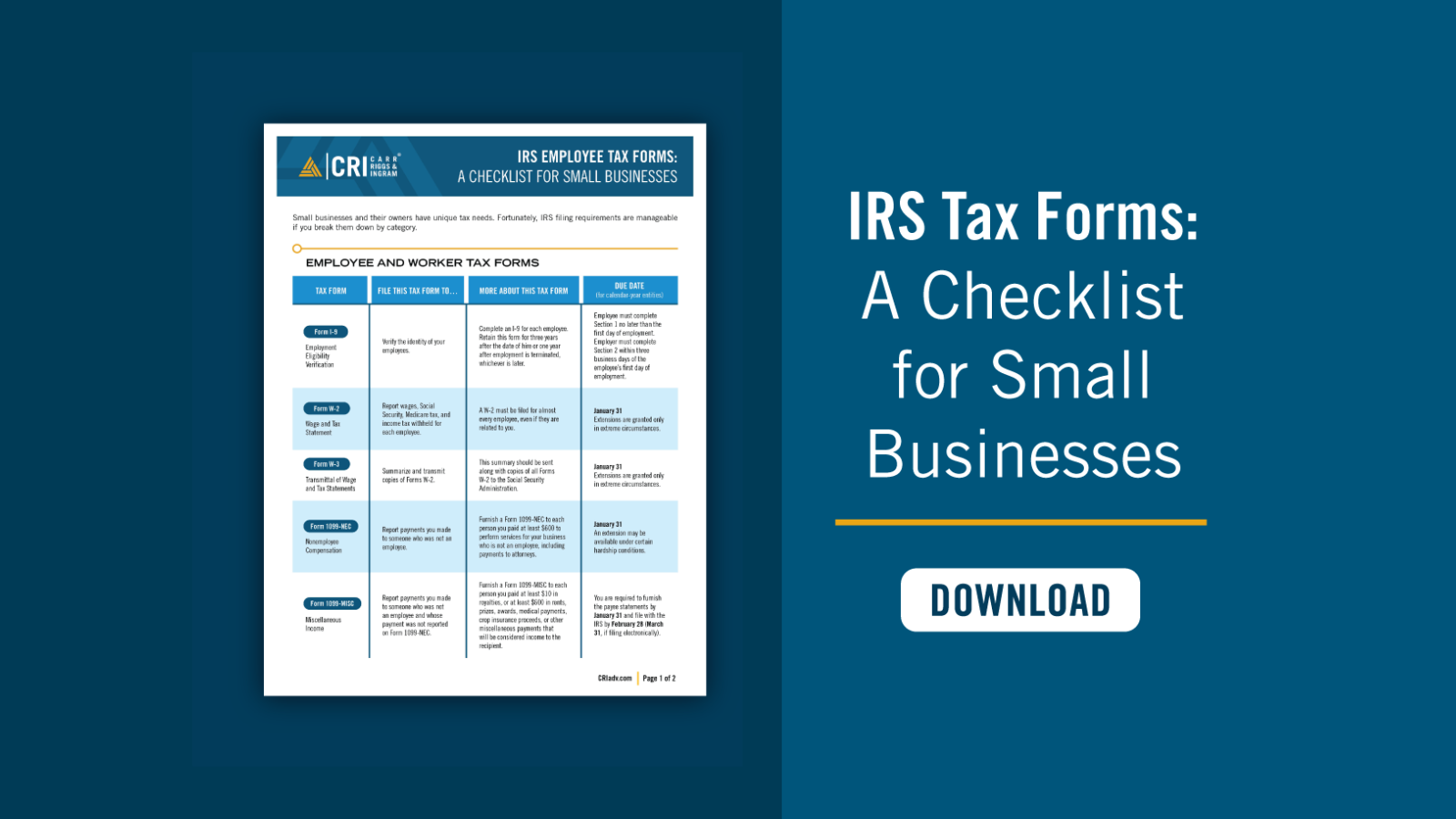
IRS Employee Tax Forms: A Checklist for Small Businesses
Create a Lasting Impact Through Planned Giving

CECL Vaildation Framework

Key Changes in the One Big Beautiful Bill Act
Getting Tariff Costs Right in Inventory Accounting

Using the R&D Tax Credit to Offset Payroll Taxes

Fraudsters Love Checks – Here’s Why You Shouldn’t

In Wake of OIG Report, Prepare for Added Scrutiny of Medicare...

Top Reasons Taxpayers Should Continue Claiming the R&D Tax Credit

Higher Education Liquidity: How to Fund Your Mission During an Era...

Tax-Smart Strategies for Higher-Income Families Navigating Financial Aid

Preparing for the Next Era of Innovation and Challenges in Healthcare

Using Nonprofit Financial Statements for Future Planning

5 Tips for Lessening Stress with Nonprofit Audit* Preparation

7 Benefits of Outsourcing a Not-for-Profit Organization’s Essential Bookkeeping and Payroll...

Maximize Tax Savings with the Section 45L Energy Efficient Home Credit

Why the Employer-Provided Childcare Credit Is Smart for Your Business

Manufacturing Inventory Accuracy Counts

What Businesses Need to Know About the R&D Tax Credit

Understanding the Qualified Small Business Stock Exclusion

Glossary of Accounting Terms
Consider These Risks Before You Acquire a Closely Held Business

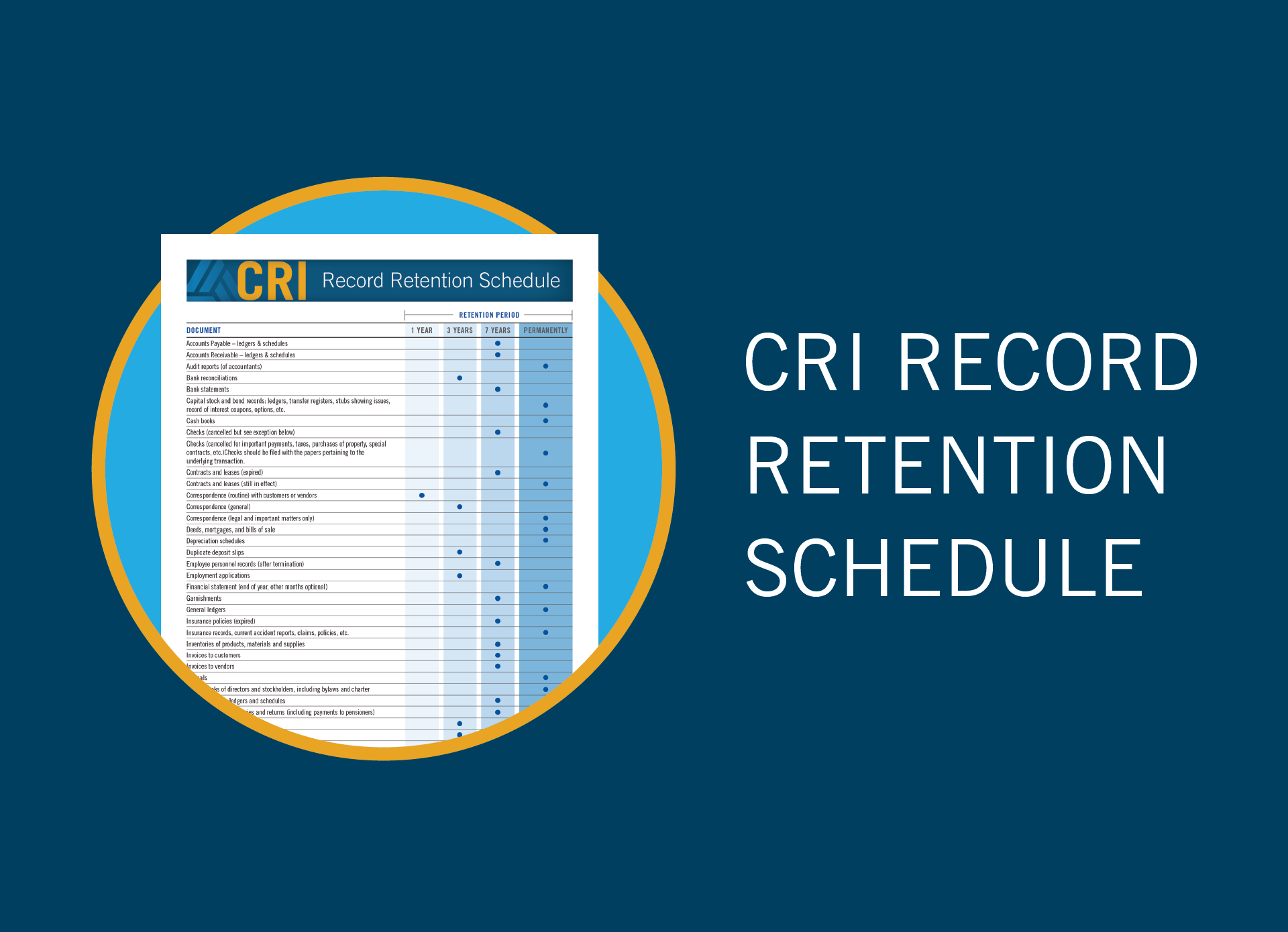
Record Retention Schedule
Sail Smoothly Through Those Saving or Shredding Decisions

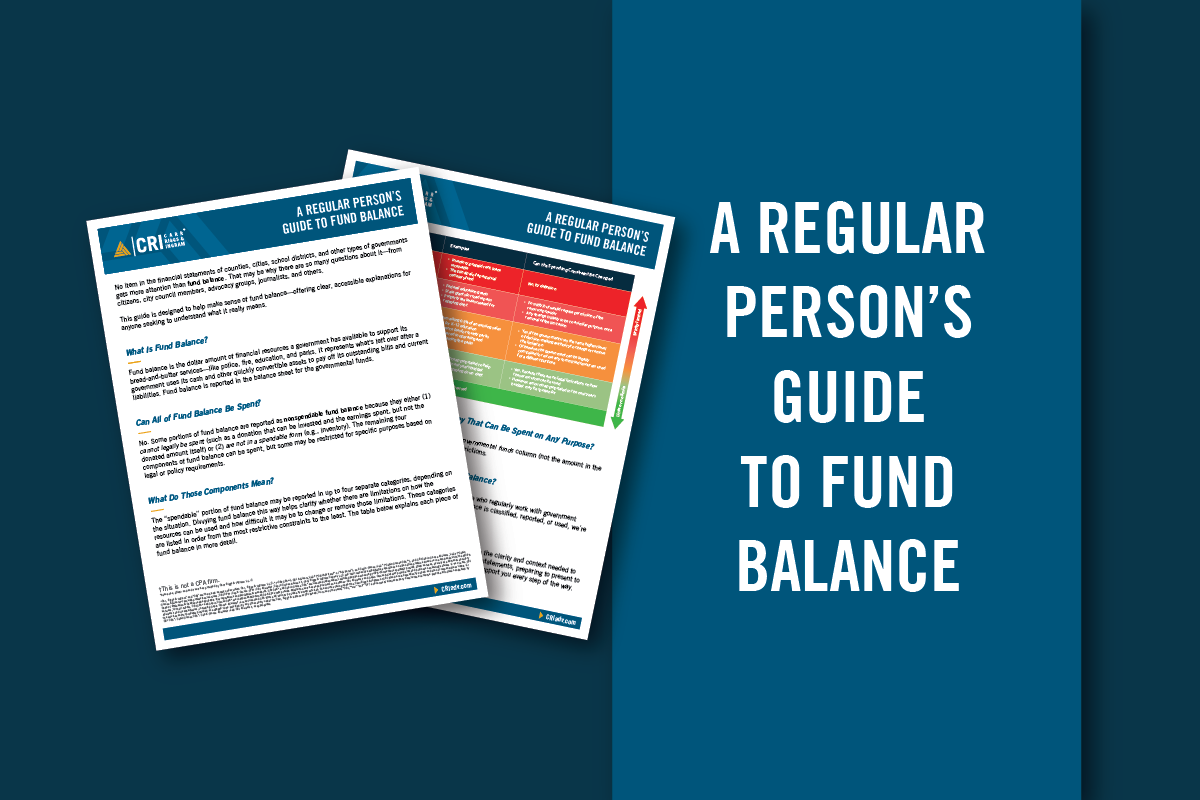
A Regular Person’s Guide to Fund Balance
Managing Workforce Reductions with Strategy and Care

Promises to Give: Not-for-Profit Accounting Primer

Giant Book of Business Owner FAQs
How New Technologies Are Transforming Insurance

4 Steps to Reduce Cybersecurity Risk in Automated Accounting

Insurance Companies and the IRS: What’s on the Horizon?

Analyzing Key Church Financial Indicators: Cash Flow Ratios

Should You Convert Traditional IRA to Roth? Think Twice.

Safeguard Your Assets Before Marriage: Legal and Financial Strategies to Protect Yourself

Setting Nonprofit Executive Compensation

Federal Judge Strikes Down CMS Nursing Home Staffing Requirements

Getting Ahead of Increased Oversight of CARES Act and COVID Relief...

Safeguarding Your Business from Third-Party Cybersecurity Risks

Using GASB Standards to Account for Opioid Settlements

FDIC Extends Digital Compliance Deadline—But Don’t Delay Your Planning

IRS Releases New Guidance Concerning ERC Refunds

IRS Extends Tax Deadlines for Kentucky Storm Victims
Succession Planning for Private Foundations

SECURE 2.0 Act Alert: Potential Employee Eligibility Issue for 403(b) Plans

The Accountant’s New Role: Strategic Advisor for Small Businesses

8 Steps for Cleaning Up a Tax Return Identity Theft Train...

Preparing for Grant Management and Single Audits*

Managing State and Local Tax Implications of Remote Work

The Exit Ramp: Navigating the Sale of Your Business Like a...

Improve Medical Practice Productivity with Non-Physician Providers

Five Overlooked Tax Breaks for Contractors and Manufacturers

So, You Need a Single Audit*…

Smart Tax Savings for Homeowners Filing 2024 Taxes

What to Consider Before Accepting a Real Estate Contribution

IRS Releases Updated Discount Factors for the 2024 Accident Year

Standard Mileage vs. Actual Expenses: Choosing the Best Tax Deduction Method...

Is Selling Your Medical Practice to Venture Capital or Private Equity...

Short on Cash? Support Charities with Gift-in-Kind Donations

Common Myths and Misconceptions About Estimated Tax Payments

Final IRS Regulations on Micro-Captive Listed Transactions and Transactions of Interest

Love, Marriage, and Uncle Sam: How Getting Married Affects Your Taxes

Understanding Estimated Tax Payments for Individual Taxpayers

Moving to a New State? Don’t Make These Tax Mistakes

Building an Effective Nonprofit Audit* Committee

Shaping Excellence in Accounting Services Through the Peer Review* Process

Implementing Nonprofit ERM Strategies

How to Arrange a Medical Practice Buy-Sell Agreement that Minimizes Disputes

IRS Issues Standard Mileage Rates for 2025

What You Need to Know About Social Security Changes for 2025

How FedLine Control Requirements Impact Your Bottom Line

3 Common Questions & Answers: Nonprofit Audit* Committee

What Does a Cash Balance Plan Mean for You?

Reporting Internal Audit Results to Your Institution’s Board

Understanding the 2025 Medicare Physician Fee Schedule Final Rule

A Quality of Earnings Analysis: What It Is, and Why Buyers...

Federal Court Strikes Down New DOL Overtime Rule

The Growing Importance of Intellectual Property Valuations

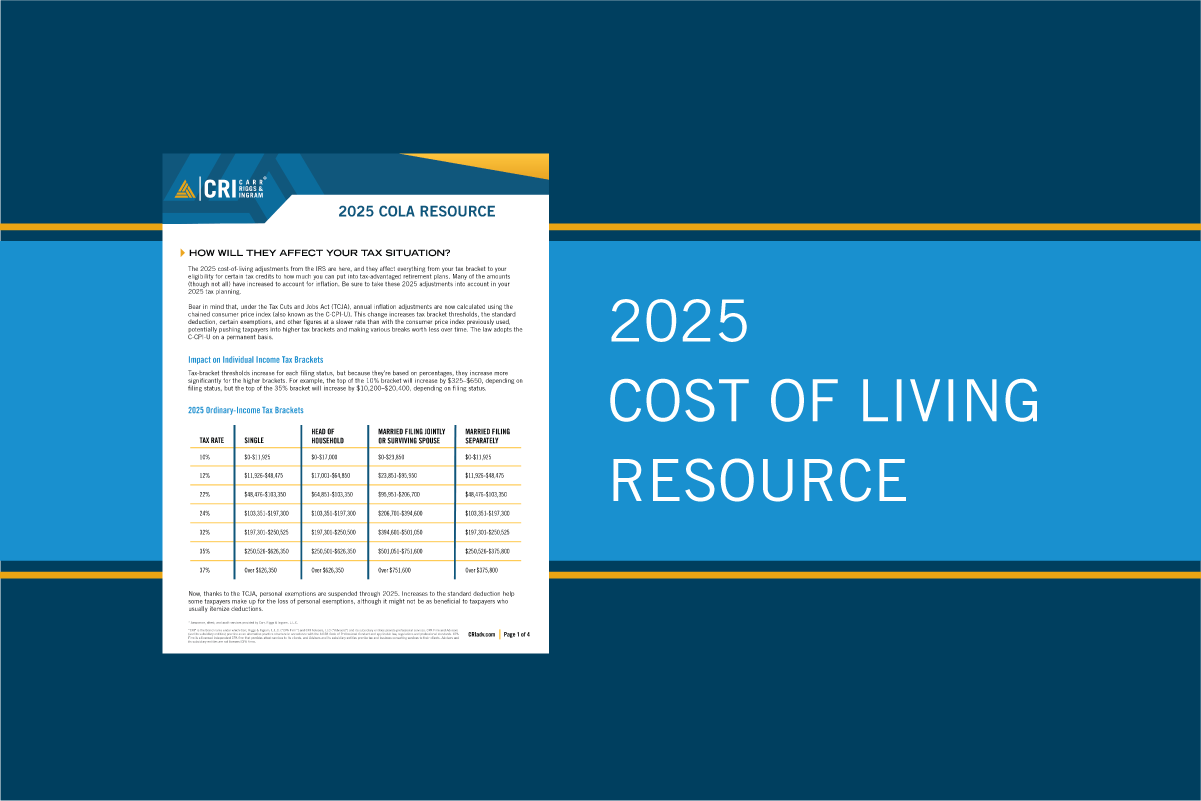
2025 Cost of Living Adjustment Resource
5 Savvy Black Friday Shopping Tips to Put In Your Bag

Understanding the Benefits of Engaging in a NIST CSF Assessment

Tax Concerns for Self-Employed Individuals

How Are Quality Metrics Affecting Your Organization’s Bottom Line?

Tax Alert: IRS Releases 2025 Inflation Adjustment
Big Changes to Section 529 Plans

Year-End Actions for Businesses Facing the 2025 Tax Cliff

Year-End Strategies for Business Travel Deductions

How to Make the Most of the Home Sale Gain Exclusion

Performing Risk Assessment in Higher Education Institutions

Five Key Tax Planning Principles for High-Net-Worth Individuals and Families

IRS Increases Special Per Diem Rates for Travel Expenses

IRS Provides Tax Relief for Hurricane Helene Victims

What Employers Need to Know About Voting Day

UPMIFA – That’s Not a Text

QuickBooks Online Payroll – Important Changes to Automated Tax Withdrawals
Understanding the New 10-Year Rule for Retirement Withdrawals

Five Steps to Prepare a Disaster Plan for Your Business

Internal Audit in Higher Education Institutions

How to Protect Yourself from Tax Identity Theft

Financial Resilience in the Face of Disasters for Older Adults

2024 Year-End Tax Planning for Businesses: Strategize, Optimize, Maximize

2024 Year-End Tax Planning for Individuals & Families: Strategize, Optimize, Maximize

How the Internet Mystifies the Taxability of Qualified Sponsorship Payments

Ready to Start the Business Valuation Process? Here’s What to Expect

Is It Time for a Reserve Analysis for Your Community Association?

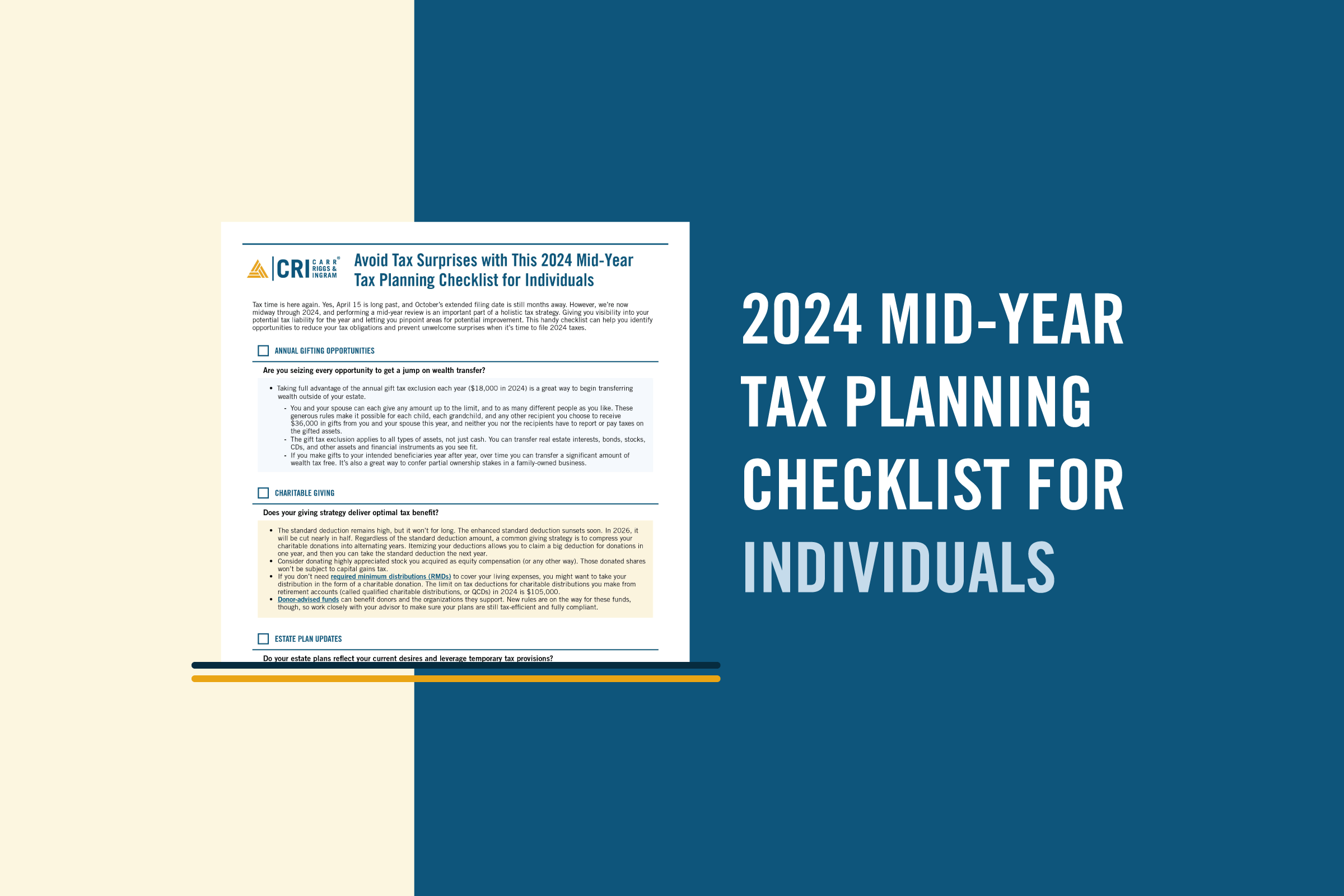
2024 Mid-Year Tax Planning Checklist for Individuals
Buying or Selling a Company? Consider Tax Implications of Asset vs....

Small Business Compliance: Are You Sticking to the Law?

Navigating the Asset vs. Stock Decision for S Corporations

Four Must-Have Features When Selecting an Auditor*

Why Do M&A Transactions Fail?

Bracing for Disaster? Prepare to Deduct Casualty Losses

Boost Your Bottom Line by Understanding Your Internal Audit

When E-Commerce Sellers Would Benefit from Hiring an Accountant

Time Is Ticking on Business Valuation for Estate Planning

CECL: It’s Not Just About Financial Institutions

Five Tips for an Outstanding MD&A
Maximizing Estate and Gift Tax Strategies

Maximize Business Value with Solid Succession Planning

The Basics of Spousal Lifetime Access Trusts

How to Develop a Cyberattack Recovery Plan

Tax Strategies for Special Needs Families

New IRS and Treasury Guidance Targets Basis Shifting Transactions in Partnerships
What Role Does Life Insurance Play in Estate Planning?

Employee Retention Credits: They Aren’t Dead for 2021 Yet!

Start From the T.O.P Down: Ways You Can Improve Your Organization’s...

U.S. Federal Tax Matters for Foreign Nationals

Deadline Approaching: All QuickBooks Desktop Required to Upgrade to Subscription Model...
Federal Tax Credits and Deductions for Family Caregivers

Act Now Before the TCJA Estate and Gift Tax Exclusion Sunsets

Understanding the Nuances: Traditional Non-Profits vs. Private Foundations

Excise Tax for Non-Profit Leaders: Understanding Penalties & Compliance

Succession Planning for Contractors: Necessary Strategies for a Smooth Transition

Crafting a Strategic and Compliant Grantmaking Plan for Private Foundations

FTC Issues Ban on Noncompete Clauses

Tax Planning and Compliance for Managing a Foundation

3 Governance Policies Every Business Should Have in Writing

Make Better Business Decisions with Financial Modeling

Overview of the Amended Title IV Regulations

Financial Responsibility: Mandatory and Discretionary Triggering Events

The Essential Role of Cost Reporting in Hospital Financial Management and...

Tennessee Assembly Passes Bill to Eliminate Franchise Tax Property Base

The Impact of an ESG Policy: How to Get Started

Strategic Financial Planning for Small Businesses in 2024

BSA/AML Model Validation: Understanding Expectations and Balancing Reality

At Long Last, GASB Approves Financial Reporting Model Improvements

GASB Statement 100: Clarity for Accounting Changes and Error Corrections

Getting From Here To There: New GASB Language for Effective Dates...

To Lobby or Not to Lobby: Understanding Your Association’s Rights

Taxable Advertising or Nontaxable Sponsorship?

After the Standards: A Guide to Everything Else in a GASB...

Enhance Your Technology Tool Kit for Improved Productivity

Essential Governance Policies for Effective Associations

Avoid the Shock of a Surprise Tax Bill

What Is Internal Audit and Can It Benefit Your Organization?

Don’t Jeopardize Your S Corporation Status

The Critical Role of SOC Reports in Nonprofit Operations

Treasury Urges Congress to Settle 831(b) Captives Issue

Federal Deposit Insurance Corporation Improvement Act (FDICIA) Requirements

Understanding the New Employee vs. Independent Contractor Classifications

Inheritance Unplanned: The Unexpected Impact of Taxes on Families

How Should School Districts Report Charter Schools?

Resource: Identifying and Reporting Charter Schools as Component Units
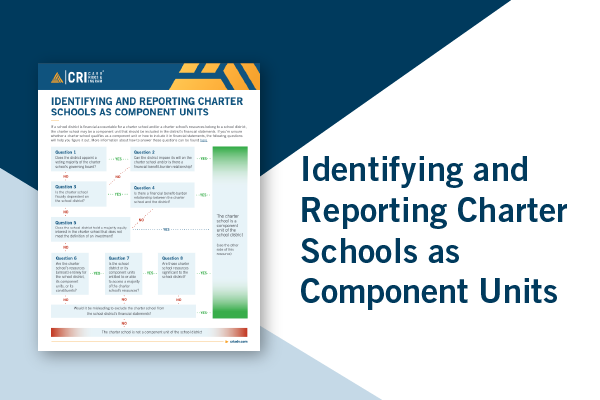
Are Charter Schools Component Units?

IRS Continues Pursuit of 831(b) Micro-captives in Tax Court Wins

The Importance of Diversifying Your Customer Base

From Red Carpets to Tax Returns: The Versatile Roles of Accounting...

Pooled Income Funds Benefit Both Donor and Charity

Understanding the Implications of the House Committee’s Tax-Exempt Review

How Have Fraud Risks Changed?

5 Things to Remember About Substantiating Charitable Donations

Stay Vigilant to Reduce the Risk of Occupational Fraud

Crafting an Effective Nonprofit Document Retention Strategy

Nine Questions About GASB Statement 102 on Risk Disclosures

State Tax Considerations for Insurance Companies

How to Be Prepared With a Business Continuity Plan

Real-Time Results: How Dashboards Can Help You Move Your Small Business...

Key Discount Factors for 2023 Unpaid Losses in Insurance Companies

Fundamentals of Business Valuation: The Income Approach

Fundamentals of Business Valuation: The Market Approach

Optimizing Tax Benefits in Multi-Family Properties with Cost Segregation

Fundamentals of Business Valuation: The Asset Approach

IRS Issues Standard Mileage Rates for 2024

More Tips for Translating GASB Standards into English

Recent IRS Update: Postponement of Form 1099-K Reporting Threshold

Key Insights for Employers on the Employee Retention Credit

Adapting to the IRS’s Electronic Filing Requirements

Faithful Finances: Crafting Credit Card Policies for Religious Organizations

Understanding the Hospitality Industry Audit* Process

Tax Implications of Debt and Equity Financing

Ensuring Franchise Success through Accounting Expertise

Tax Alert: IRS Releases 2024 Inflation Adjustment
How Does Industry Affect Fraud Risk?

You, Too, Can Set Accounting Standards

Networking for a Cause: Utilizing LinkedIn for Nonprofit Success

Cost-Effective Fraud Protection

AR-C Section 70: When It’s Relevant and How to Apply It

Understanding the New FASB Tax Disclosure Requirements

Balancing Faith and Finance: A Guide to Budgeting and Cash Management

Digital Privacy and the GDPR: Why You Should Pay Attention Now

Have You Completed These 5 Year-End Financial Planning Tasks?

The Pitfalls of Underbidding Projects

Strategies to Manage College Expenses for Multiple Children

Back to Square One: Six Questions About GASB’s Financial Reporting Model...

The Evolving Landscape of Cryptocurrency Taxation

IRS Alert: Update on ERC Claims
Understanding 1031 Exchange Transactions: A Strategic Move for Savvy Investors

Contractors Can Remain Profitable in a Down Market

Returning to Student Loan Payments: Ensuring Financial and Tax Compliance

Cybercrime and Religious Institutions: A Wake-Up Call for the Faithful

Five Steps to Elevate Self Pay Patient Collections in Medical Practices

5 Exercises to Rehabilitate Retirement Funds

Financial Impact of the Affordable Connectivity Program

The Roadmap to a Successful Sale: Understanding the Phases of Selling...

With a Little Help From the GASB: Implementation Guides

Start Now to Comply with New Medicare Cost Report Rules

How to Properly Organize Your Tax Records

Form 990 Marketing: Spotlight Your Nonprofit’s Efforts and Achievements

Embedded Leases and Their Impact on Non-Profits

The Fine Line Between Nonprofit Lobbying and Advocacy

The Evolution of Healthcare Finance, Post-Pandemic

Has Your Partnership or S Corporation Met the August 15 Notice...
Differentiating Between Independent Contractors and Employees

Transmittal 18: Critical Changes and Best Practices for Cost Reporting in...

After the Transaction: Look Here to Unlock Value in Post-Merger Integration

Building Your Ideal Captive Board

Drafting a Business Continuity Plan (BCP)

New Businesses Face Challenges When Proving Damages Based on Lost Profits

Planning for Possible Workforce Reductions

How Contractors Can Strengthen Working Capital and Bonding Capacity

Litigation Support: Hire Forensic Accountants Earlier to Build a Stronger Case

Surviving Small Business Failure and Preparing for Future Success

Navigating Regulations in Government-Funded Projects

Adapting to the New IRS Electronic Filing Requirement for Businesses

Six Common Nonprofit IRS Audit Triggers

How to Manage Supplier Costs and Keep Your Business Balanced

Standing in the Way of Construction Fraud

A Quality of Earnings Report Offers Key Insights for Parties Considering...

Navigating the Challenges of Global Supply Chain Disruptions

How to Reduce Your Hospital’s Compliance Risk with a Payroll Plan

GARS: What It Is and Why You Should Be Using It

Sustainable Cost Management Strategies for Non-profits in Today’s Economic Challenges

The Importance of Conducting a Valuation of Your Small Business

ORSA Requirements Help Insure a Comprehensive Understanding of Risks and Solvency

Revenue Recognition Implementation for Common Interest Realty Associations

Tribal Governments: Creating a Culture of Fraud Prevention

Nonprofit & Governmental Healthcare Entities: Be Prepared to Justify Executive Pay

Why Filing a Tax Extension Can Be a Smart Move

How a Potential Non-Compete Clause Ban Stands to Impact Employers

What You Need to Know About the Mississippi Pass-Through-Entity Election

Business Interruption: Planning Your Next Steps and Setting Expectations

How Does Subscription Term Differ From Maximum Possible Term?

Tax Preparers: The Hero Your Company Needs!

Implementing the New Leasing Standards for Contractor Financial Statements

CMS is Serious About Hospital Price Transparency

The Global Internal Audit Standards Are Coming; Is Your Organization Ready?

What Does the End of the Public Health Emergency Mean?

What Is an Audit*?

How to Avoid Mistakes in ESOP Valuations

Government Accounting Resources
Four Tips for Translating GASB Standards Into English

What Does the Consolidated Appropriations Act of 2022 Mean for Me?

Avoiding Improper Employee Retention Credit Claims

What To Consider When Creating a For-Profit Subsidiary

3 Reasons to Differentiate Between Controllable and Non-Controllable Costs

The New Lease Accounting Standard Is Here — Is Your Healthcare...

Spotlight on Controls and Internal Audit Departments

2022 Partnership Instructions for Schedules K-2 and K-3

Lease Term vs. Maximum Possible Term

Nonprofit Considerations When Creating a Chart of Accounts

How the SEC Bridges the Divide between GAAP and Non-GAAP Financial...

Top 1099 Tips for Law Firms

GASB Statement 94: Decoding P3s, SCAs, and APAs

Do You Qualify for the Home Gain Sale Exclusion?

Bonus Depreciation or Section 179: What’s The Right Choice for You?

Everyday Tax Return Items That Can Trigger an Audit

What Is The Roth IRA 5-Year Rule?

Avoid These Tax Traps in Retirement

Great News (Potentially) For 2022 Partnership Tax Return Filings

ABLE Accounts: A valuable financial solution for people with disabilities

Hop on the Omnibus: GASB Statement 99

Escalation Clause: Protect Your Bottom Line

Nursing Home Financial Reporting Bill in FL

Protected: Top Reasons Not to Hire a Full-Time CFO

All GASB Statements Are Not Created Equal

IRS Extends Federal Tax Filing Deadline for Hurricane Ian Victims in...
The Infrastructure Investment and Jobs Act: Why to Expect a Marathon,...

Five Things to Know About the New Accounting For Paid Leave

Communicating with Your Advisor: A How-To Guide

Understanding Your Accountant’s Language

How to Implement Internal Controls in Small to Medium-Sized Nonprofits

Should Your HITRUST CSF Assessor Be an Accounting Firm?

Closing a Nonprofit Organization: Five Key Steps for Leaders

The 411 on Student Loan Forgiveness
Discount Rate Calculations for Lease Accounting

Key Takeaways From the Inflation Reduction Act of 2022

Taking Advantage of the Tax-Efficient Exit Strategy ESOPs Offer

Hunger Relief Efforts Can Yield Tax Benefit for Farmers

Are Your Notes Turning Into Zombies?

Changes Reporting Gifts-in-Kind

The Arm’s Length Principle: The Rays of Transfer Pricing Adjustments

R&D Tax Credit Offers Tax Savings for the Cannabis Industry

How to Use Real-Time Financial Data to Improve Your Cash Flow...

It’s Too Early for CECL Fatigue

Employee Versus Contractor: A Crucial Distinction for Every Organization

Bolster Cash Flow With a Cost Segregation Lookback Study

Local Governments & The Final Rule: Coronavirus State and Local Fiscal...

Knowing When to Claim Social Security

Is it Time for a Business Valuation?

Give Your Small Business a Jolt of Efficiency with Cloud-Based Accounting

How Has COVID-19 Affected Business Valuations?

Reporting Computer-Security Incidents: Is your Community Bank ready?

Does Working Remotely During the Pandemic Mean You Owe More Income...

Still Confused About Whether to Deduct That Business Meal?

New HITRUST Assessments Give Companies More Options for Security Reporting

ICBA Live 2022 Conference Recap

You Could Owe “Nanny Taxes” Even If You Don’t Have Kids

Nonprofit Board Review of Form 990

Managing ESG Risks in the Oil and Gas Industry

Going Concern Issues for Nonprofits

Five Internal Controls to Prevent Fraud in Nonprofits

Differences in Public Charities and Private Foundations

Protected: Top 5 Accounting Questions to Ask Your Advisor

Report Fundraising Events on Form 990

3 Grant Writing Tips to Help Not-For-Profit Organizations

Health Savings Accounts Offer Big Tax Benefits Now and in Retirement

Estate Planning FAQ

Transfer Your Wealth Using a Dynasty Trust

Two Types of Charitable Trusts You Should Know About

New Guidance on Gifts In-Kind for Non-Profit Entities

Captive Insurance Taxation

Top 5 Priorities for Small and Mid-Sized Organizations in 2022

A Look at Internal Controls and Processes for Evaluating Vendors

Getting the Most Out of Your Remote Audit*

Coronavirus Relief Funds – Getting Ready for Your Single Audit*

Does Your Organization Need an Internal Audit?

What a Single Audit* Means for Your Organization

Straddling the Fence: Should You Co-Source or Outsource Your Internal Audit?

Cybersecurity Trend to Watch in 2021: Cyber Supply Chain Risk

Outsourced Accounting Reference Guide: How Collaborating Can Help You Reach Your...

Conference Recap – AICPA 2021 National Conference on Banks and Savings...

Federal American Rescue Plan Act of 2021 (ARPA)

Digital Transformation Starts With Process, Not Technology

Homeowner Assistance Fund – What Tribes and Applicants Need to Know
CECL: It’s Getting WARM in Here

Homeowner Assistance Fund – You Don’t Know the HAF of it!
Questions About the Employee Retention Credit? We’ve Got Answers.
American Rescue Plan for Governments: The Resources Available
Potential Proposals on the Horizon: It’s Time to Prepare Your Estate...

Strategic Use of ARP Government Funds for Long-Term Success

IRS Notice Provides Guidance to Employee Retention Credit and the Paycheck...
Time to Pivot? How Your Advisor Can Help You Adapt to...

Compliance Management System (CMS) – A Refresher

The Basics of Grantor Retained Annuity Trusts

Tax Considerations for Buyers Contemplating Mergers & Acquisitions

Taking a Fresh Look at Bankruptcy

IRS Clarifies Temporary 100% Deduction for Restaurant-Purchased Meals
Hired Any Recently Unemployed Workers? Let Them Know About New Exclusion...
Strategic Decision Making: Are You Taking Advantage of the Newly Expanded...
Rate Reform – Why is LIBOR Going Away, and What Will...

How Contractors Can Bridge the Age Gap

Why Profits Do Not Always Lead to a Positive Cash Flow...

IRS Provides Guidance on Cafeteria Plan Balance Carryovers

Updates to the AICPA’s SAS No. 134 through SAS No. 140

SSAE No. 21 – Direct Examination Engagements

Not-For-Profit Revenue Recognition

Now or Later? Weighing 15-year Depreciation vs. 100% Bonus Depreciation for...

How to Spot Three Common Tax Scams

The Anti-Money Laundering Act of 2020: An Overview

When Can You Deduct Data Breach Costs?

Boost Your Cash Flow with Net Operating Loss Carrybacks

What’s Next for Hemp-Related Businesses?

Making Intrafamily Loans with Intentionally Defective Grantor Trusts

The IRA: A Solid Estate Planning Tool in Times of Uncertainty

How MaaS Is Revolutionizing Manufacturing

Export Tax Incentives for Manufacturers

Credit Risk Management in an Unpredictable Environment

Insurance Companies and the IRS: A Downward Trend in Examinations

Exempt Organizations: IRS Issues Final Rules on 21% Excise Tax on...
Coloring Inside the Lines of Nonprofit Governance

How Does Your Industry Affect Your Cybersecurity Risk?

USDA Issues Final Rules on Hemp Production

Not-So-Safe Harbor? Navigating the QBI Rules for Rental Real Estate Businesses

Disasters Never Rest, Take Time to Plan for Recovery

Yes, Operational Planning Is Still Important

Does Your Home Office Qualify for a Tax Deduction?

What is a Governmental Component Unit?

Shutting Down a Business? Updated Resources Available from IRS

Lending Money to Family? Be Sure to Stay on the Right...

Updates to the Long-Anticipated Compliance Supplement Addendum
Preparing for Third-Party Payer Audits*

Five Ways to Make Invoice Processing More Effective

Is It Time for Cloud Accounting?

Watching the Horizon: Do You Have the Data You Need to...

Key Factors that Drive Reimbursement in the PDPM Model

What’s Behind the Hype About Donor-Advised Funds?

Businesses Face Challenges When Expanding Their Remote Workforce

Helpful Tips for Completing Medicare Cost Reports

Technology Innovations Impacting the Insurance Industry

10 Anti-Fraud Recommendations for Community Associations

Don’t Sleep on CECL

Smarter Giving: Four Things to Know When Considering Charitable Contributions

How Important Is Compliance with Government Regulations to a Firm’s Accounting...

Contractors Should Take A Closer Look at Site-Level Profitability

Assembling an Effective Financial Team

PRF Requirements Summary
CARES Act and Provider Relief Fund Single Audit*
Back to Profitability: How Small Businesses Can Emerge Stronger from Crisis

Virtual Meetings: Tips for Choosing the Right Technology and Conducting a...

How to Increase Your Chances of a Successful Financial Statement Audit*

Business Interruption Losses: Making an Insurance Claim

Cybersecurity Tips for Working From Home

Stabilizing Your Business: Improvise, Adapt, Overcome

Government Entities: Plan, Protect, Adapt, Overcome

Make the Most Out of Your P&L

Is a Captive Right for Your Organization?

Forensic vs. Annual Audits*: Taking a Proactive Approach to Protecting Your...

Automated Bank Reconciliation: An Instant Analysis for Your Business

Protected: 5 Reasons Business Owners Prefer Outsourced Accounting

Unique Compliance Aspects of Risk Retention Groups

Improve Manufacturing Company Profitability

What’s Your Company’s Cash Flow?

Preparing for a Single Audit*: Understanding the Requirements

A Grant Overview

Understanding Your Responsibilities Within Service Organizations

When Does a Hobby Become a Business?

Make Digital Assets Part of Your Estate Plan

What You Need to Know About the Home Office Deduction

Keeping a Close Eye on Medicare Fraud

Privacy Policies and Data Security Keep Contributions Flowing for Not-for-Profit Organizations

8 Action Steps for Avoiding Nonprofit Online Presence Tax Traps

Impressing Donors with Nonprofit Financial Information

Two Types of Government Termination Benefits

The Growing Threat of Cyberattacks in Manufacturing and How to Prevent...

Is Your Manufacturing Business Ready for the New Revenue Recognition Standard?

A Blueprint for Nonprofit Revenue Recognition Implementation

Citizen Centric Governmental Reporting

Municipal Bond Arbitrage, Billy Ray Valentine, and What They Have in...

Don’t Let These 7 Tax Terms Scare You

Three Actions to Help Improve Your Collections Process

Balance Sheet Reconciliations: Focus on Internal Controls

Charitable Donation Documentation: 6 Answers to Know

For Strong Data Security, Give Your Employees Some Backup

Transfer Pricing and Not-For-Profits (UBIT)

Why Fair Value is Becoming a Popular “Celebrity” in the Accounting...

Use a Governmental Performance Audit* to See If You Measure Up

Risk Management: Avoiding Crisis & Staying Afloat

Using Internal Controls to Keep a Record of Your Inventory: Storing...

4 Things the IRS Looks for in a Federal Tax-Exempt Application
Tax Planning Reasons to Potentially Establish a Private Foundation

Manufacturing Product Costing Basics and Methods

Financial Statement Preparation: 4 Steps to Power Up Business Performance Tracking

What to Consider When Deciding Between a Calendar Year and a...

Best Practices for Nonprofit Volunteer Management

Captive Insurance Overview: Healthcare Provider Industry Highlights

Taking a Bite Out of Payroll Taxes

Anti-Money Laundering (AML) Implications of Human Trafficking

How Manufacturers Should Account for Excess Capacity

3 Questions to Find the Balance of a Seasonal Product Cycle

Opportunity Zones: Open for Business

4 Steps on the Path to Timely Payments

Understanding the Management’s Discussion and Analysis (MD&A) Disclosure

The Evolution of the Bank Secrecy Act

Business Valuation Can Avoid a Merry-Go-Round During Divorce Proceedings

The Continued Importance of Risk Assessment for Financial Institutions

The Bank Secrecy Act/Anti-Money Laundering (BSA/AML) Audit* Revisited

Opportunity Zones are Knocking: Should You Answer?

It’s Time to Review and Update Your Partnership Agreement

Using Internal Controls to Keep a Record of Your Inventory: Costing...

3 Ways Public Companies Can Iron Out SEC Audit* Processes

Travel Guide for Your Start-Up’s Journey to Success

How to Become the Boss of Your Digital Assets

Steering Clear of Bookkeeper Liability Hazards

Will Your Cybersecurity Defense System Protect Your Organization?

“Yours, Mine, or Ours?”: Identifying and Valuing Marital Property

One Taxing Situation: South Dakota vs. Wayfair, Inc

IRS Correspondence Letter: Your New Pen Pal the IRS

Is Your Bank’s Audit* Committee Reaching the Summit of their Potential?

Will Your Cost Segregation Methodology Hold Water With the IRS?

How the SEC Bridges the Divide Between GAAP and Non-GAAP Financial...

An Origin Story About Captives

The Opportunities of Effective Risk Management

How the Pooling Method Can Help Bring Your Property Value to...

Why Strong Internal Controls Are Necessary for a Healthy Business

Avoid the Punch of Ransomware

Protected: 4 Business Seasons When You Should Consider a Virtual CFO...

Whaling Cyberattacks: What You Need to Know

How to Maximize Business Sale and Successfully Exit

4 Simple Solutions to Improve Financial Reporting Timeliness without Breaking the...

Unearthing Occupational Fraud in Your Business

Life Insurance Tax Strategies: Maximizing this Multi-Use Tool

Watch for These 3 Signs of Employee Fraud

Join Our Conversation
Subscribe to our e-communications to receive the latest accounting and advisory news and updates impacting you and your business.