Turning Financial Statements into Better Business Decisions
- Contributor
- Cheri Swain
Dec 31, 2025
While many business owners often excel at running their operations, they feel less confident when it comes to reading their financial statements. That’s understandable—financial reporting can feel technical, dense, and full of terminology that isn’t part of everyday business life. Yet these statements are among the most powerful tools you have. When you understand what your financials are telling you, you gain insight into profitability, cash flow, liquidity, and your company’s overall health.
The Role of Your Core Financial Statements
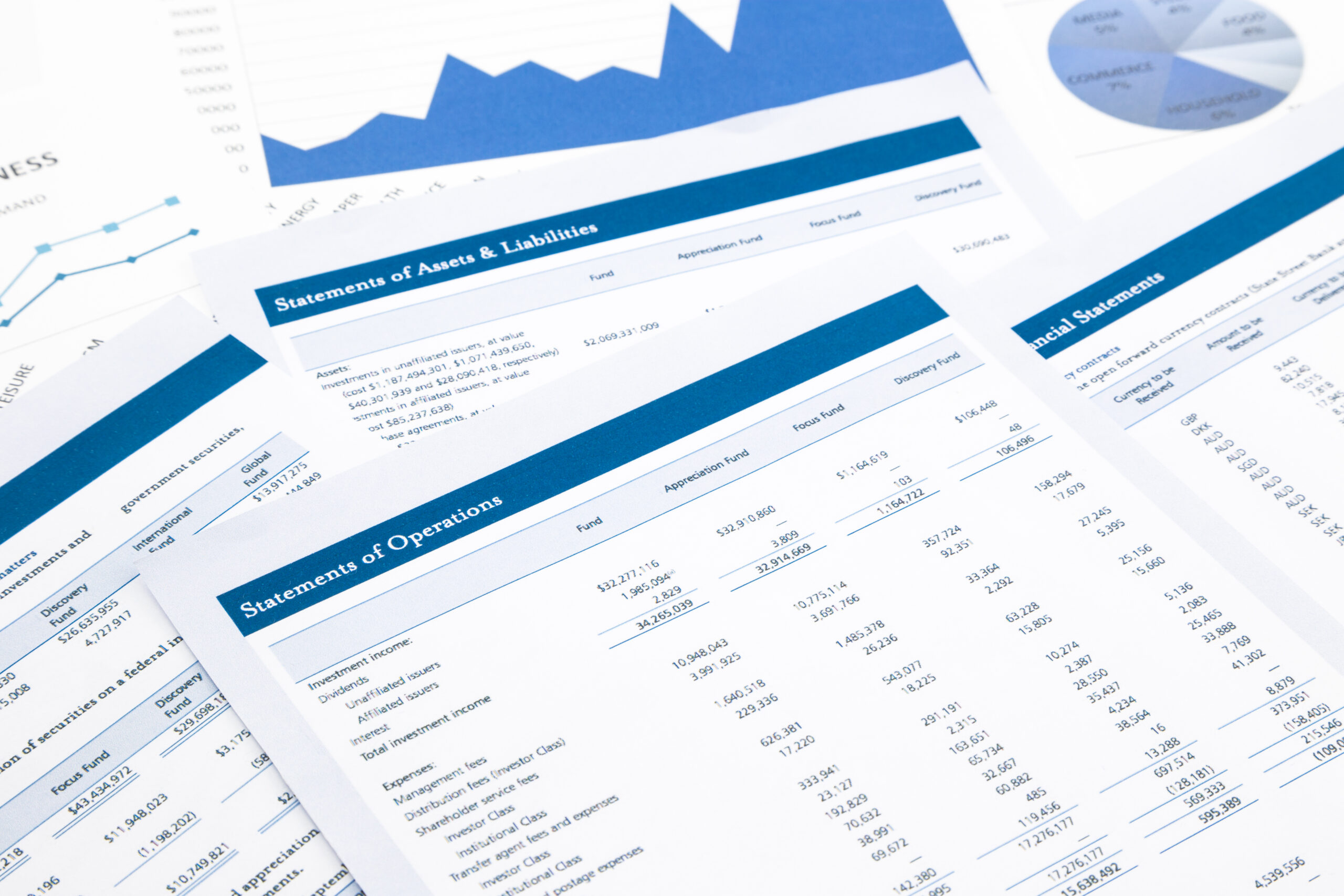
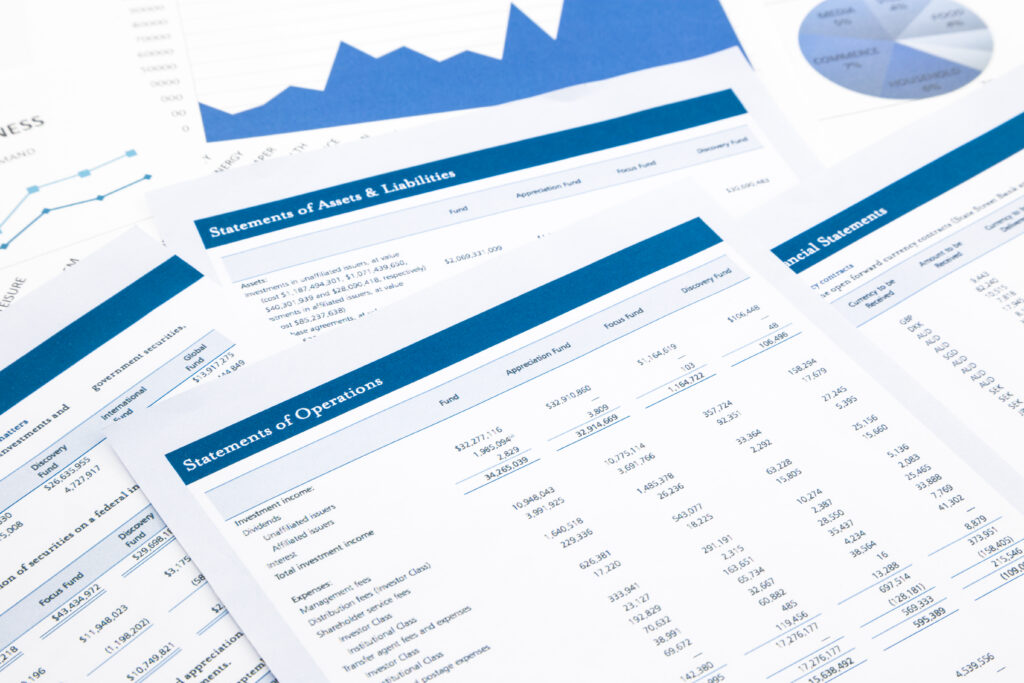
Every business, regardless of size or industry, relies on three primary financial statements: the income statement, the balance sheet, and the cash flow statement. Each one provides a different—but equally important—perspective on your organization. Together, these statements create a complete picture of performance and stability.
The Income Statement
The income statement, sometimes called a profit and loss statement, shows how the business performs over a period of time. It illustrates how revenue comes in and how expenses flow out, ultimately revealing whether operations result in a profit or a loss. By studying these trends, owners can see which services or products drive the most value, where costs may be creeping up, and whether the business is operating as efficiently as expected. This statement is often the first place that owners look when evaluating profitability, it quickly highlights areas that may require attention.
The Balance Sheet
The balance sheet offers something different—a snapshot of your company at a single moment. It lists your assets, liabilities, and equity, providing a clear picture of what the business owns and owes. Understanding your balance sheet helps you assess liquidity, borrowing capacity, and financial stability. For business owners who may not be accounting experts, this statement shows whether the company is positioned to withstand challenges or pursue growth, it is also the report lenders and investors often review most closely.
The Cash Flow Statement
The cash flow statement focuses specifically on how money moves into and out of the business. Even highly profitable companies can struggle if cash isn’t managed effectively. This statement helps reveal whether day-to-day operations are generating sufficient cash, whether significant investments are straining cash flow, and whether financing activities are helping or hurting the business’s cash reserves. When owners understand their cash flow, they can anticipate shortfalls, build more substantial reserves, and make more confident spending decisions.
Metrics That Matter for Better Decision-Making
While financial statements tell the story of a business, certain metrics highlight the turning points in that story—where profitability strengthens, where cash flow tightens, or where operational adjustments may be needed. These indicators give business owners a quick yet meaningful snapshot of performance and can reveal issues well before they appear dramatically in a year-end report.
A few metrics every business owner should monitor include:
- Gross and net profit margin: Gross profit margin shows how much revenue remains after covering direct costs, while net profit margin reflects what’s left after all expenses are accounted for. Together, they help owners understand both operational efficiency and overall profitability.
- Days cash on hand: This metric reflects how long the business could continue operating using existing cash reserves if no new revenue were coming in. It provides a practical view of liquidity and short-term financial resilience.
- Working capital: This indicates whether short-term assets are sufficient to cover short-term obligations, offering insight into the company’s ability to manage day-to-day expenses.
- Accounts receivable turnover: This measures how quickly the business collects payment from customers after invoices are issued, helping identify potential cash flow bottlenecks.
- Debt-to-equity ratio: This ratio provides perspective on how much of the business is funded through borrowing versus owner investment, offering insight into financial flexibility and risk exposure.
Taken together, these metrics help owners shift from reactive management to proactive planning. They allow you to anticipate challenges more effectively, understand the true drivers of performance, and make decisions grounded in clear financial insight rather than instinct alone.
Warning Signs Owners Shouldn’t Ignore
Understanding your financial statements also means recognizing when something is off. If expenses rise faster than revenue, the business may be losing efficiency or facing margin pressure. Large swings in cash flow can point to deeper operational issues. Slow collections or growing accounts receivable can create hidden stress, even if the income statement appears strong. Inventory that sits too long ties up cash the business may need elsewhere. And if debt continues to increase while liquidity shrinks, those trends may indicate the business is becoming overextended. Not every warning sign is a crisis, but all of them deserve timely attention.
Why Routine Financial Reviews Matter
Reviewing your financial statements only once a year means missing opportunities to improve performance throughout the year. Regular monthly or quarterly reviews allow business owners to spot trends early, compare actual results to the budget, and make necessary adjustments before small issues grow into bigger challenges. These reviews support better planning around staffing, capital expenditures, pricing decisions, and long-term strategy. When financial data becomes part of ongoing business conversations—not just annual reporting—owners gain clearer insight and greater control.
Transforming Numbers into Strategic Direction
Understanding your financial statements isn’t about becoming an accountant. It’s about gaining clarity—clarity that supports confident decisions, long-term stability, and continued growth. With the proper guidance, business owners can use their financial data to strengthen operations, improve profitability, and prepare for future opportunities.
If your financial statements aren’t providing the clarity you need, the right guidance can help turn that information into more meaningful insight and strategy. Connect with your advisor to discuss how clearer financial understanding can help support better decision-making for both you and your business.