
Single Audit* and Yellow Book Update 2025: What Entities Need to Know
- Contributor
- Gwen Mansfield-Vogt
Dec 29, 2025
Federal compliance is never static. It shifts in response to changing priorities, emerging risks, and lessons learned from past years. For organizations subject to Single Audits*, staying current isn’t just about following rules; it’s about protecting funding, minimizing risk, and demonstrating accountability to stakeholders.
In 2025, the updated OMB Compliance Supplement and the newly revised Yellow Book are reshaping the audit landscape. Many organizations are already assessing how these changes affect their controls, risk management, and audit readiness. By understanding and applying the updates early, organizations can reduce risk, avoid costly missteps, and use compliance as an opportunity to demonstrate strong stewardship of federal resources.
Key Updates to the OMB Compliance Supplement
The OMB Compliance Supplement, issued annually by the Office of Management and Budget, provides detailed guidance on program-specific requirements and outlines how compliance should be tested during a Single Audit. For auditees, it functions as both a rulebook and a roadmap, helping ensure federal funds are managed in line with government expectations. Failing to align with its requirements can expose organizations to compliance findings, funding risks, and reputational damage.
The 2025 OMB Compliance Supplement, effective for audits of fiscal years beginning after June 30, 2024, introduces several notable changes:
- Refined Compliance Requirements: Adjustments in Part 3 (including allowable costs, equipment management, and procurement) underscore the importance of adhering to uniform guidance principles.
- New and Deleted Programs: Updates include additions and removals, with a particular focus on high-impact areas such as the Student Financial Assistance Cluster and Supportive Housing programs.
- Cluster Program Guidance: Part 5 highlights the nuances in program clusters, where compliance requirements may overlap but require a precise understanding of the specific details.
- COVID-19 and Infrastructure Funding Considerations: As federal pandemic relief programs continue to wind down, their audit profile has shifted. No COVID-19 programs are designated as high-risk under the 2025 Supplement, which means they will receive less audit focus compared to prior years. However, the Abandoned Mine Land Reclamation Program, funded through the Infrastructure Investment and Jobs Act (IIJA), has been added as a high-risk program. Entities with significant expenditures under this program should expect it to be audited. Alternative compliance examination engagements for CSLFRF funding remain available and continue to play an important role in demonstrating accountability for these remaining relief funds.
A practical starting point is Appendix V, which outlines the key differences from the 2024 Supplement and guides entities on how to incorporate those updates into their compliance approach. At CRI, our professionals are already helping clients break down Appendix V into actionable priorities, enabling them to focus their efforts where the risks—and the opportunities—are greatest.
Yellow Book and GAS-SA Audit Guide Revisions
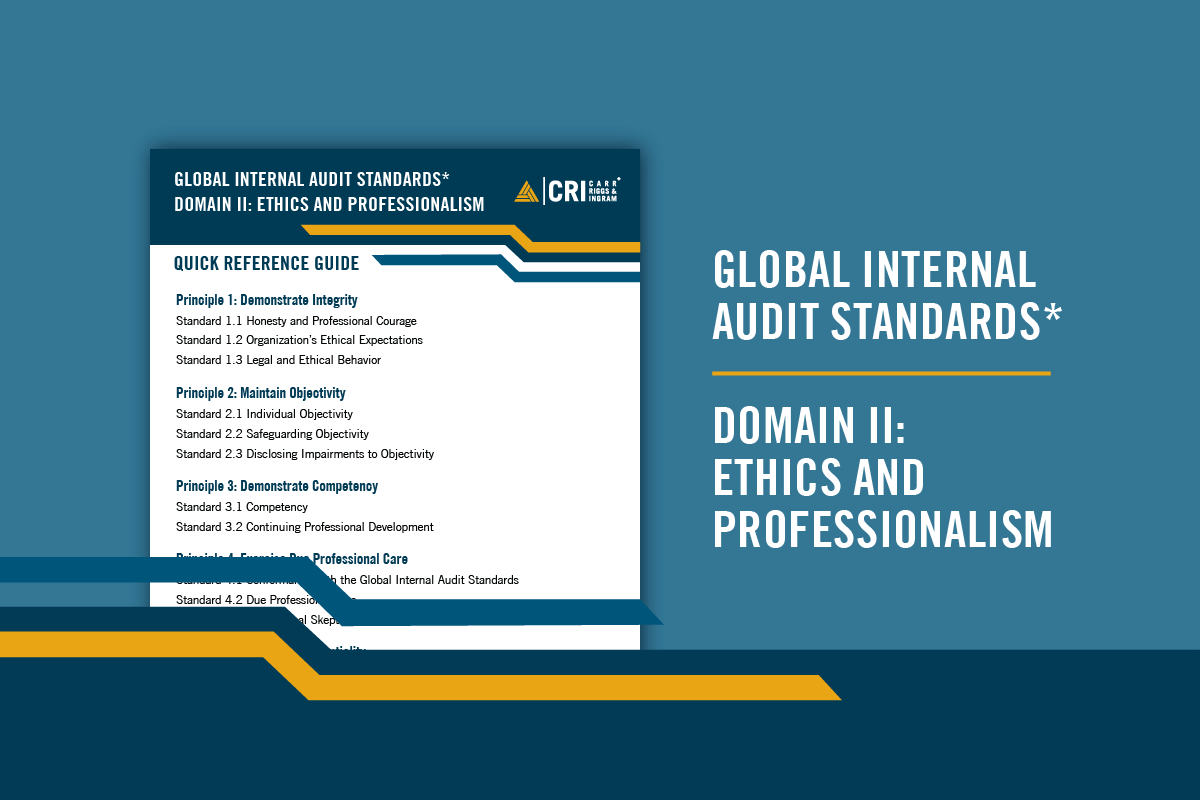
The Yellow Book, formally known as the Government Auditing Standards issued by the GAO, provides the overarching framework for audit quality, ethics, and independence when auditors evaluate entities that administer public funds. While these standards remain important, the 2025 revisions to the AICPA’s GAS-SA Audit Guide have a more significant practical impact on Single Audit engagements than the Yellow Book updates themselves.
Where the Compliance Supplement outlines what requirements should be tested, the GAS-SA Audit Guide and related guidance more directly influence how those audits are performed. This distinction can create challenges for organizations, especially as expectations around internal controls and documentation continue to evolve.
In 2025, updates to the AICPA Government Auditing Standards (AAG-GAS) Audit Guide introduced several refinements that affect how auditors plan and perform governmental and Single Audit engagements. Unlike the GAO’s Green Book, which provides internal control guidance for federal agencies, the AAG-GAS revisions primarily influence auditor responsibilities rather than the internal control structures of auditees. These updates may change how auditors approach control testing, though they do not modify the client’s control requirements unless findings or recommendations arise.
Key areas of emphasis include:
- Refinements to auditor expectations for documenting and testing internal controls, which may affect the nature, timing, or extent of audit procedures.
- Clarifications regarding due dates, submission requirements, and allowable federal extensions, such as those related to natural disasters.
- Updated guidance for programs not explicitly listed in the Compliance Supplement, underscoring the importance of a consistent approach to determining applicable compliance requirements.
These revisions provide auditors with clearer direction, which may translate into more structured and consistent audit approaches for entities subject to Single Audits.
Practical Implications for Entities
These updates are more than technical adjustments—they carry real consequences for funding, compliance risk, and audit outcomes. Organizations that receive federal funds will need to respond with practical steps, including:
- Updating policies and procedures to reflect the latest requirements.
- Training staff on revised compliance areas, such as procurement and allowable costs.
- Strengthening documentation so that records are complete, accurate, and audit-ready.
- Collaborating early with auditors to set expectations and identify potential issues before they become findings.
We’ve seen firsthand how these updates ripple through daily operations. For some clients, that has meant revisiting procurement policies; for others, it has required broadening staff training or tightening internal documentation. Whatever the challenge, our advisors work alongside organizations to break down complex guidance into manageable steps—reducing the risk of surprises during the audit process and turning compliance readiness into an opportunity to strengthen accountability.
Turning Compliance into Readiness
Regulatory updates don’t have to feel overwhelming. With the right preparation, they can serve as an opportunity to strengthen accountability and reinforce trust with stakeholders. To support that preparation, our team works with governmental entities, not-for-profit organizations, and other federally funded recipients to translate evolving requirements into practical, actionable strategies. Contact your CRI advisor to discuss how these changes may affect your organization and to explore support for your compliance and audit readiness.