
Practical Steps to Safeguard Your Financial Reporting System
- Contributors
- Allison D. Ward
- Jeremy Landon
Jan 23, 2026
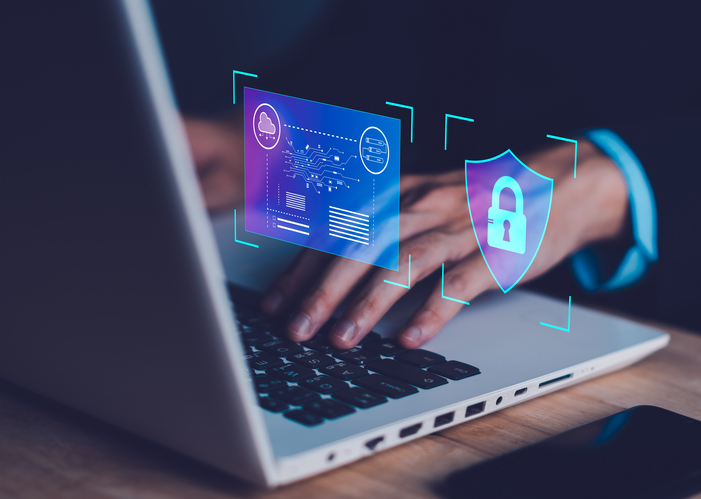
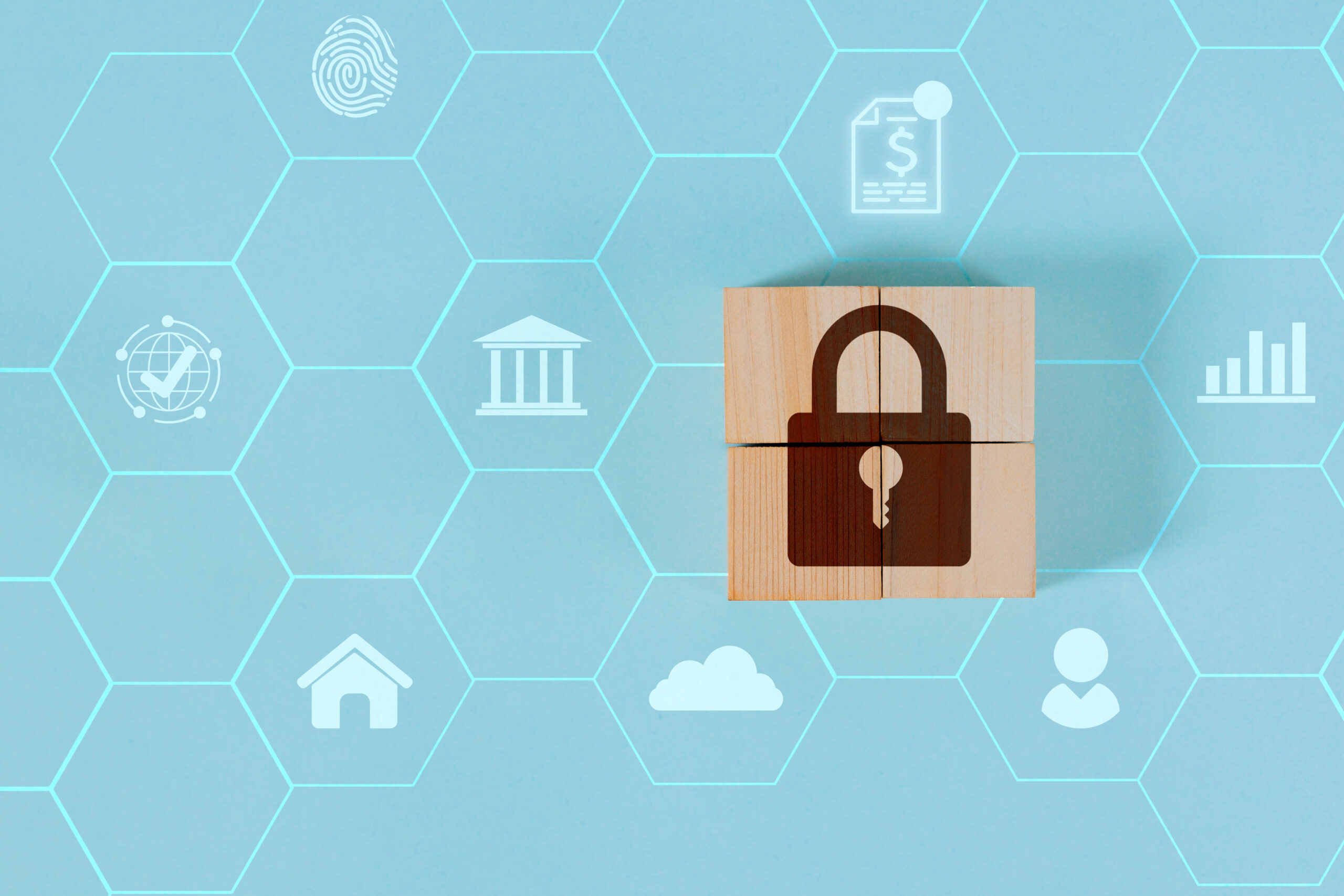
Technology continues to reshape how organizations operate, helping businesses streamline processes, improve efficiency, and make more timely, data-driven decisions. These advancements create opportunities for growth and operational improvement, but they also increase the need to safeguard sensitive financial information.
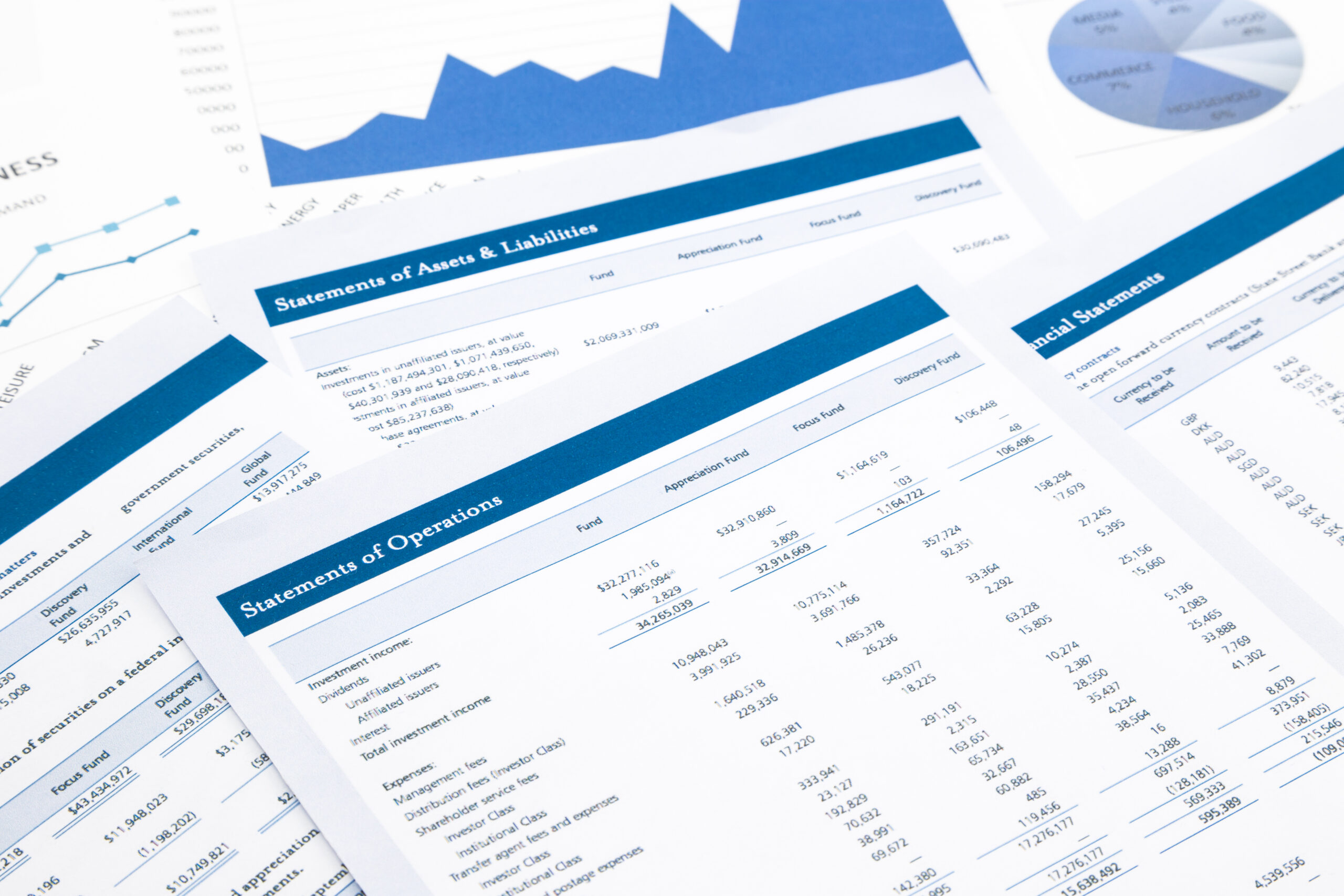
Financial reporting systems store critical data relied upon by management, executives, and stakeholders to assess performance, manage risk, and guide strategic decisions. A single security breach can disrupt operations, compromise data integrity, and undermine confidence in financial reporting. Understanding where vulnerabilities exist and implementing layered controls can help organizations reduce exposure and protect the reliability of their financial information.
Understanding the Threat
Financial reporting systems can be exposed to risk in a variety of ways, including:
- A former employee’s system access is not disabled, allowing unauthorized remote access and deletion of critical financial data.
- Malware installed through a phishing email captures login credentials, enabling unauthorized access to accounting or financial systems.
- Shared login credentials are used across an accounting team, making it difficult to trace activity and increasing the impact of a single compromised account.
- Weak password policies and the absence of account lockout settings allow attackers to use automated tools to guess credentials through brute-force attacks.
If incidents like these occur, the consequences can extend beyond reputational harm. Disruptions to financial systems can delay reporting, impair decision-making, and create operational and compliance challenges.
Fortunately, organizations can take practical steps to reduce these risks by strengthening user administration and system access controls.
Strengthen User Administration
User administration involves managing access to financial systems by creating, modifying, and removing user accounts and assigning appropriate permissions based on job responsibilities. Without formal procedures, organizations may accumulate unnecessary accounts or grant elevated access rights that increase exposure.
Effective user administration practices include:
- Establishing a formal process for granting and removing access, ensuring only individuals with legitimate business needs can access financial systems.
- Promptly disabling access when an employee leaves the organization or changes roles.
- Reviewing non-employee accounts, such as those used by external service providers, temporary users, or systems that are no longer in use.
- Conducting periodic access reviews using system-generated user reports to identify and correct inappropriate permissions.
- Limiting the use of shared accounts and requiring unique login credentials for each user to support accountability and auditability.
Regularly reviewing and tightening access is a foundational step in protecting financial reporting systems.
Enhance System Access Controls
In addition to managing user access, organizations should strengthen application-level controls to add further layers of protection.
Key access control measures include:
- Authentication controls, such as minimum password requirements, account lockout settings, and multi-factor authentication (MFA), which help reduce the risk of unauthorized access through stolen or guessed credentials.
- Multi-factor authentication, which requires an additional verification step beyond a password, providing critical protection even if credentials are compromised. Proper configuration and user training are essential to reduce the risk of social engineering attacks.
- Segregation of duties, which helps prevent unauthorized or erroneous transactions from being completed without review. System configurations that enforce segregation can significantly reduce the risk of fraud or error.
- Audit logs and monitoring, which track user activity and provide visibility into system changes. Detailed logging can be invaluable in identifying the scope of an incident and determining what corrective actions are needed.
- Backup and recovery procedures, which ensure financial data can be restored in the event of corruption, deletion, or system failure. While backups do not prevent breaches, they help minimize operational disruption and reporting delays.
Building Resilience Through Layered Controls
No system is immune to cyber threats, but layered controls can significantly reduce risk and limit the impact of incidents when they occur. By combining strong user administration, access controls, monitoring, and recovery processes, organizations can better protect the integrity and availability of their financial reporting systems.
Carr, Riggs & Ingram provides cybersecurity and risk advisory services to help organizations assess vulnerabilities, strengthen controls, and build resilient financial reporting environments. If you have questions about safeguarding your financial systems or would like assistance evaluating your current controls, contact your CRI advisor to discuss next steps. Taking a proactive approach now can help reduce risk and support more reliable financial reporting over the long term.