
How to Succeed with Like-Kind Exchanges: Key Rules and Pitfalls to Avoid
- Contributor
- Reagan Glaze
Mar 4, 2026
Real estate investors and business owners often sell a house, apartment building, or other real property and then buy a similar property. If the transaction is executed in compliance with Internal Revenue Code Section 1031, the real property exchange qualifies as a tax-deferred exchange.
Like-kind exchanges do more than lower your tax bill. When you defer tax on your capital gain, you free up capital that can fund new investments and further grow your business. With more cash on hand, you may need to borrow less for your next purchase, or you might qualify to borrow more if you need extra funding.
And like‑kind exchange benefits can keep paying off over the long term. As long as you continue to reinvest in qualified properties, you can continue to defer gains.
Does Your Real Property Exchange Qualify?
Knowing and closely following the Section 1031 real property exchange rules is crucial to maximize your investment power. Following are the key concepts you need to know:
Qualified intermediary
Engage a qualified intermediary (QI) before closing the sale of the first property. This step is important because it proves you did not have control of the funds. In actuality, you are exchanging property with the QI, not the seller of the new property, who holds the sales proceeds and releases them when you buy the replacement property.
Business or investment property exchange
To qualify for Section 1031, both the relinquished property and the newly acquired property must either be a) held for investment or b) used in a trade or business.
In other words, real estate developers and short-term investors (i.e., flippers) need not apply.
Some examples of real property that do qualify for like-kind exchange:
- The building that houses your operating company
- An apartment building
- A short-term rental home
- Unimproved land you’ve been holding for investment purposes
Like-kind property
The property you acquire and the property you dispose of must be of like kind. Fortunately, most real estate that is used as part of your business or investment activities qualifies as like-kind property. The two properties don’t even have to be in the same condition, as long as both are used as part of your business or investment activities. For example, you might sell a piece of unimproved land and purchase an apartment building.
Non-qualifying assets
Only real property qualifies for a like-kind exchange. Personal property and intangibles — such as vehicles, machinery, equipment, collectibles, patents, and other intellectual property — are no longer eligible for Section 1031. If you have had a cost segregation study performed on the relinquished property, then the assets that were assigned shorter depreciable lives likely will not be eligible for deferral of gain. Additionally, even in an otherwise qualifying exchange, you must recognize a gain on any proceeds from the sale that aren’t reinvested in the new property.
No foreign property
You also cannot claim like-kind exchange tax benefits if you swap a U.S. property for a similar property outside the country, or the other way around.
Timing
To make sure your transaction qualifies as a like-kind exchange, you must meet two critical deadlines:
- Identify the new property no later than 45 days after you relinquish the original property.
- Complete the acquisition of the new property within 180 days of selling the old one.
Keep in mind that the 45-day and 180-day clocks run concurrently. It’s important to complete these steps within the statutory windows, or the exchange will be invalidated.
Reporting Requirements for Section 1031 Real Property Exchange
Keep accurate records of your real estate exchanges, including costs, profits, basis changes, and other details. Well-organized real estate exchange documentation makes reporting easier and lowers your risk of compliance issues. Good record-keeping also helps if the IRS audits your tax return.
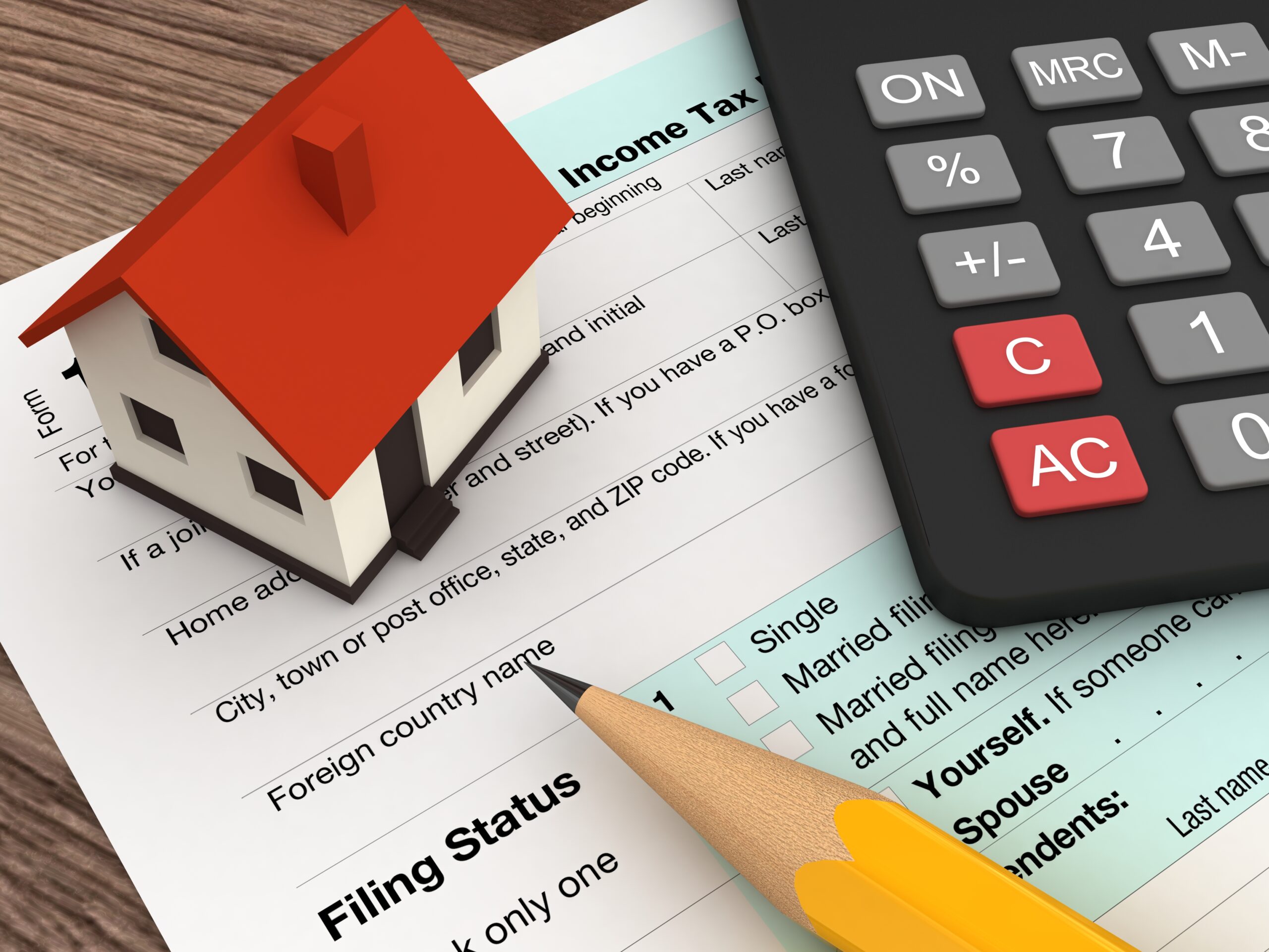
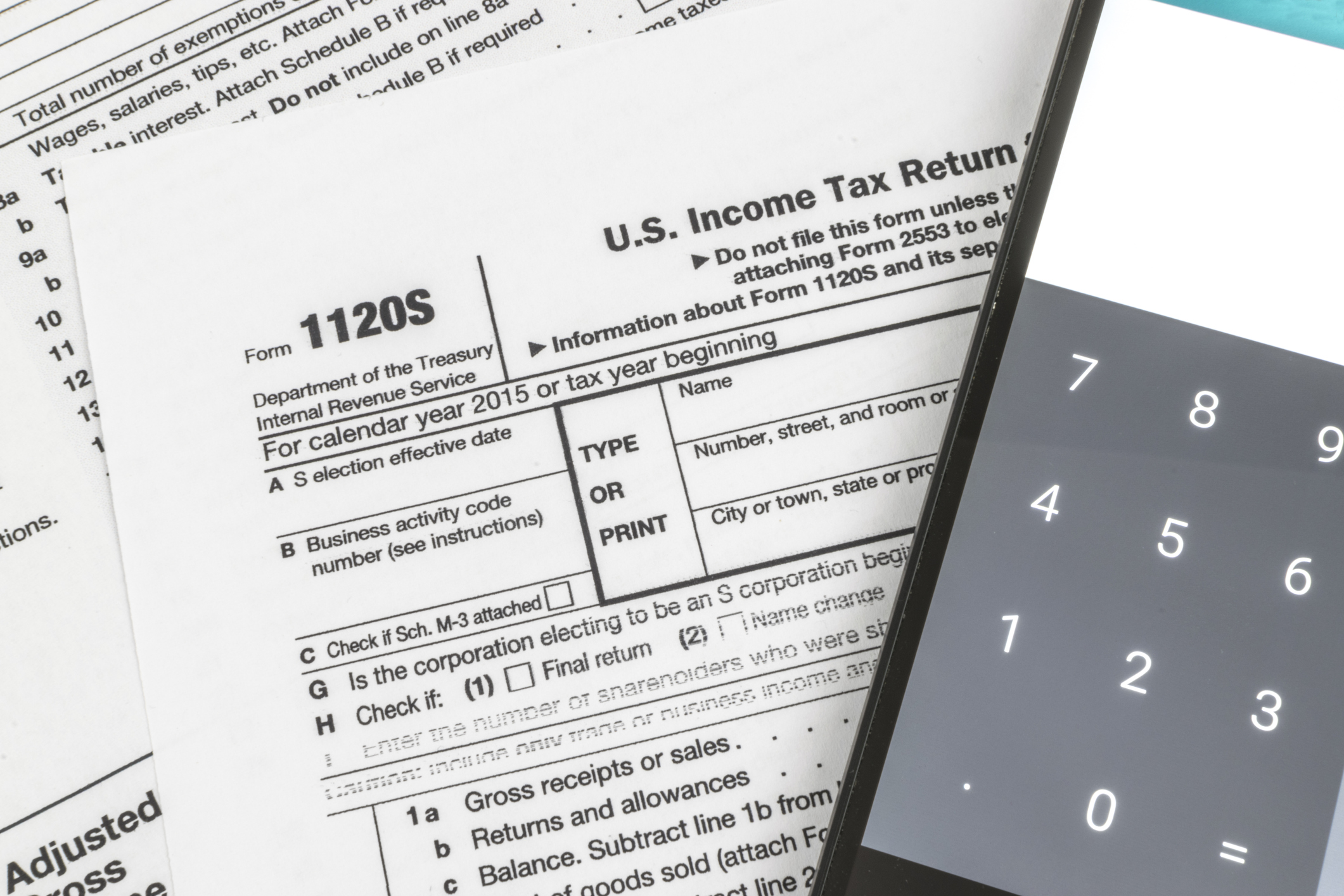
After completing a like-kind exchange, you’ll need to report the transactions on Form 8824, closely following the Form 8824 instructions.
Key data fields include:
- Descriptions of the properties given up and received, and the timing of both transactions.
- Whether any related parties were involved in the transaction, and if so, details about the related party exchange.
- Information about your basis in the property you sold and your gain (or loss) from the sale of that property.
Seek Guidance to Avoid Common Pitfalls and Risks
While Section 1031 can be a useful tool that yields meaningful tax savings, using it demands careful planning and attention to detail. Mistakes, such as failing to appoint a QI, can invalidate your exchange and leave your gain fully or partially taxable.
If you are thinking about a like-kind exchange, work with qualified real estate tax, legal, and financial advisors. They can guide you through the process, help you meet timing requirements, and check whether your properties qualify. An experienced tax advisor can also help you combine 1031 benefits with other tax strategies to get the most from your investments.
CRI Can Help You Reap Section 1031 Tax Benefits
A properly executed like-kind exchange is a powerful tool that lets real estate investors and business owners keep more capital working for them. But the rules are strict, and missteps can be costly.
CRI can help you assess whether a like-kind exchange is the right fit for you and execute the transaction properly to achieve a valid exchange. Reach out to your CRI advisor to discuss like-kind exchanges and other tax-savvy real estate strategies.