
What Board Members Should Know About Financial Oversight
- Contributor
- Tina W. Stewart
Jan 21, 2026
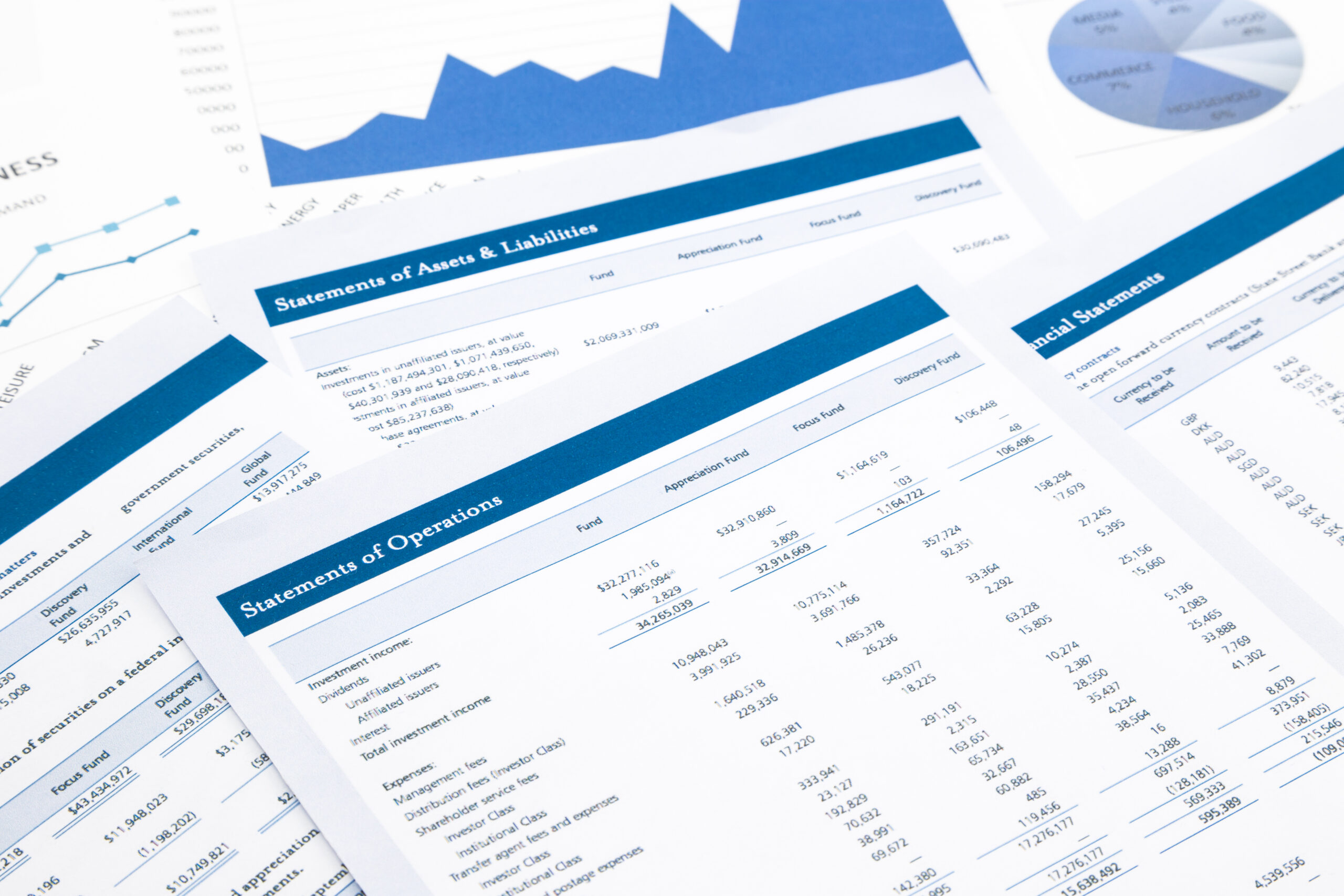
Financial oversight is one of the most important responsibilities a board member holds. This is especially true in the nonprofit sector, where transparency and stewardship directly affect public trust and mission impact. Effective oversight begins with understanding an organization’s core financial reports and using them to evaluate financial health, identify trends, and monitor budget-to-actual performance.
Although many nonprofit board members do not come from financial backgrounds, they are still expected to review financial information, ask meaningful questions, and help safeguard the organization’s long-term stability. Strong financial oversight does not require technical expertise, but it does require board members to stay engaged, interpret financial information confidently, and recognize how fiscal decisions support the organization’s mission.
Board Member Responsibilities in Financial Oversight
Building on this foundation, boards use financial reporting to evaluate whether resources are being used effectively and whether decisions align with the organization’s mission and strategy. This ongoing review helps board members identify potential risks, assess performance, and support informed decision-making.
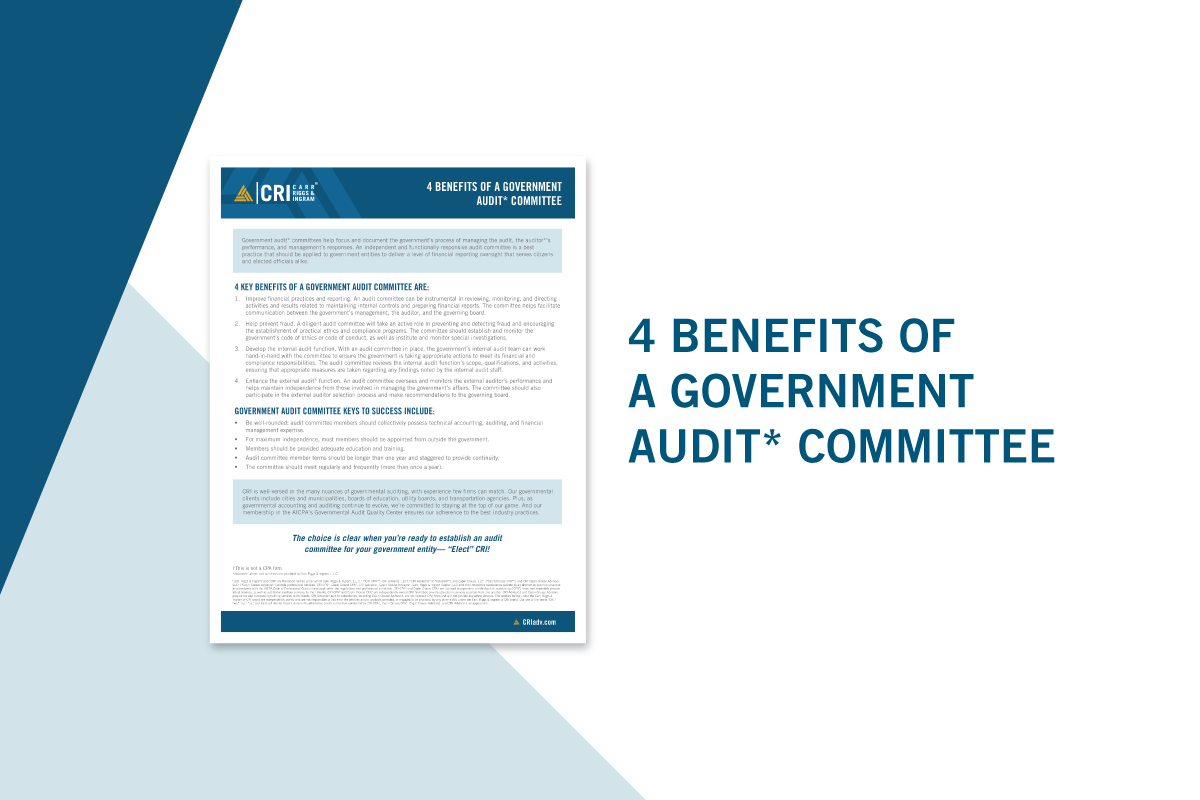
Oversight also includes understanding internal controls, reviewing financial policies, and maintaining consistent processes that safeguard assets and promote accountability. Many boards assign these responsibilities to a finance or audit committee with a defined charter for financial reporting, auditor engagement, and internal control oversight, allowing for focused attention on these matters throughout the year.
Board composition also plays a role in strong oversight. While financial expertise may vary across boards, having at least one director with deeper financial experience can help the board interpret complex information, support audit-related responsibilities, and guide discussions around risk and performance.
Financial Reports and Literacy Expectations for Board Members
Board members should regularly review financial reports to understand revenue and expense trends, overall financial position, and liquidity. For nonprofits that rely on grants, seasonal fundraising, or restricted contributions, this review is especially important for evaluating cash management and long-term sustainability. Independent audit reports provide additional insight by assessing the reliability of financial reporting and identifying areas where internal controls may need improvement. Reviewing management letters and tracking follow-up actions helps reinforce accountability and build stakeholder confidence.
Financial literacy develops over time. Board members benefit from understanding key budget assumptions, funding sources, cost structures, and reserve levels, as well as from asking questions that highlight financial risks or operational challenges. This perspective helps board members interpret the story behind the numbers and supports more informed decision-making.
Boards should also have clear reporting channels in place, such as whistleblower or complaint procedures, so financial or compliance concerns can be raised and addressed promptly. These practices promote transparency and support a culture of ethical governance.
Governance, Risk, and Financial Oversight
Financial oversight is a core governance responsibility. Boards are responsible for monitoring compliance with legal and regulatory requirements, evaluating the financial impact of strategic decisions, and reviewing management’s stewardship of organizational resources. Together, these activities support fiduciary responsibilities and help boards make informed decisions.
Strong communication and thoughtful decision-making build stakeholder confidence, particularly for nonprofits that rely on donor trust, grant funding, and public transparency.
When boards approach financial oversight with clarity and consistency, they reinforce a culture of accountability that supports long-term mission success.
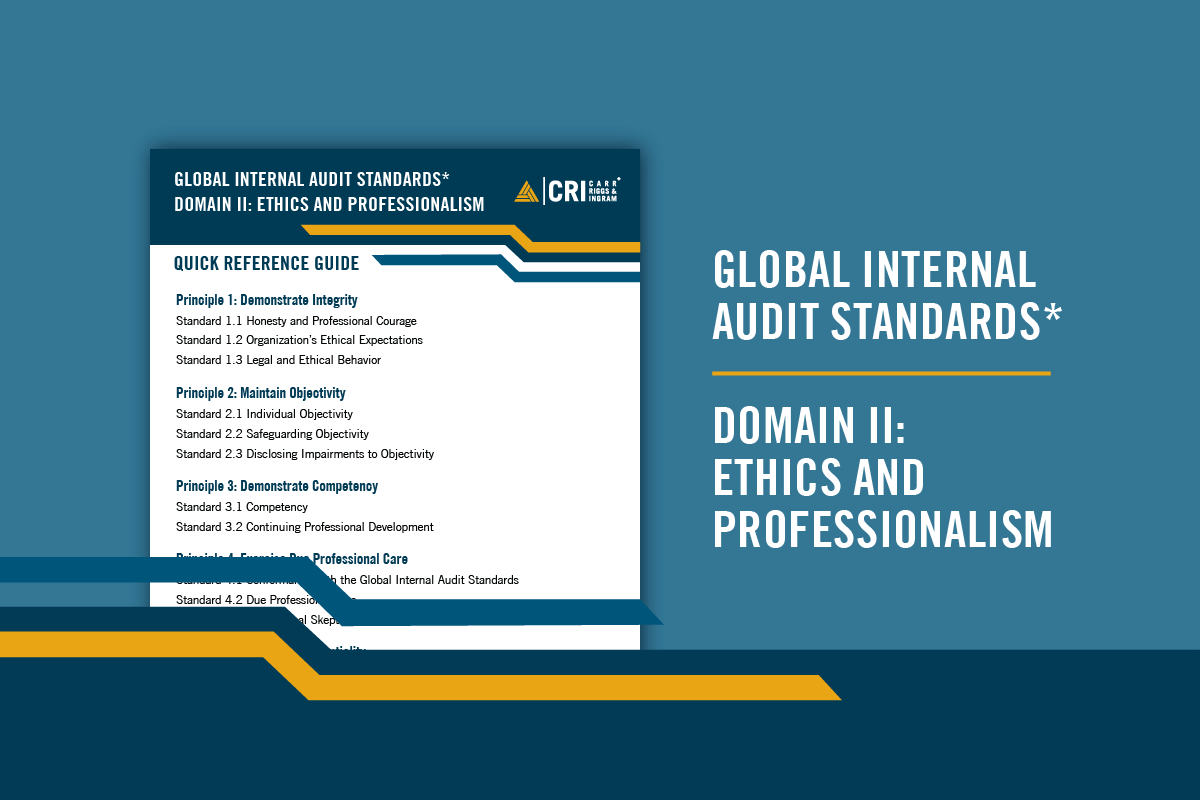
Although management designs and implements internal controls, boards play an important oversight role. Internal controls help prevent fraud, protect assets, and support accurate financial reporting. Board members should be familiar with the organization’s control environment and remain attentive to emerging risks, including cybersecurity and operational challenges.
To support effective oversight, boards should review management’s internal control assessments and discuss how financial and operational risks are being identified, monitored, and addressed. Rather than managing controls directly, boards should focus on whether key elements of the control environment are functioning as intended. A short checklist of questions can help frame these discussions, including:
- Are financial and operational duties appropriately separated, with clear approval processes?
- Are financial and regulatory policies applied consistently across the organization?
- How frequently are risks such as fraud, cybersecurity threats, or operational disruptions evaluated and reported to the board?
Independent audits also contribute to effective oversight by providing assurance over financial reporting and internal controls. Boards should participate in auditor selection, review audit findings, and monitor management’s response to recommendations. Reviewing and approving the annual budget, monitoring financial performance, and understanding long-term projections further help boards assess whether financial strategies remain aligned with the organization’s mission and sustainability goals.
Boards that excel in financial oversight often rely on ongoing education, clear committee structures, and practical tools such as dashboards and performance metrics. Finance or audit committees can provide focused review, while collaboration with accounting or advisory professionals can offer a valuable perspective when navigating complex financial issues.
Strengthening Oversight Through Governance
Board members play a central role in protecting resources, supporting financial integrity, and advancing the long-term mission of nonprofit organizations. By understanding their financial responsibilities, consistently reviewing key reports, and applying sound oversight practices, boards strengthen governance and reinforce stakeholder trust.
If you have questions about strengthening your board’s financial oversight, contact your CRI advisor for guidance tailored to your organization. Our team is ready to help you enhance governance, accountability, and financial stewardship.