
How Private Equity Investment and Deal Activity Are Expected to Shape the Market in 2026
- Contributor
- Brent Leslie
Feb 24, 2026
Following a stretch of cautious deals and uncertain valuations, private equity firms are entering 2026 with renewed energy. With more capital available, better financing options, and clearer agreement on valuations, the industry is poised for increased transaction activity. CEOs, CFOs, and investment bankers can use these trends to guide decisions on acquisitions, capital raises, and exit planning.
Significant Dry Powder Driving Deal Activity
Private equity firms continue to hold significant levels of dry powder—committed capital that must be deployed within defined investment periods. This creates pressure to identify and execute attractive investment opportunities, so many are actively looking for both platform acquisitions and add-on deals.
Even so, investment committees are still very selective. Big platform deals face close review, especially regarding valuations, steady earnings, and long-term growth. Smaller add-on acquisitions are now a preferred approach. These deals help firms grow their current portfolio companies and add value while managing risk more effectively.
Exit Activity Expected to Increase as Backlogs Build
In recent years, many private equity firms have held off on exits due to valuation gaps and market volatility. Now that markets are stabilizing and buyers are hungry, more firms are likely to put their portfolio companies up for sale.
This release of pent-up supply could lead to a very active 2026, especially for high-quality assets. Strategic buyers and secondary private equity sponsors are expected to be key players in these deals. Companies that have invested in financial reporting infrastructure, operational efficiency, and growth initiatives may be especially well-positioned to attract investor interest and achieve favorable valuations.
Sector Focus Reflects Both Stability and Emerging Opportunity
In 2026, private equity investment is likely to focus on sectors that are both stable and offer long-term growth. Traditional sectors will remain very active, such as:
- Infrastructure: Ongoing demand for transportation, utilities, and similar assets continues to attract investors, thanks to steady cash flows and protection against inflation.
- Business-to-business (B2B) services: Companies that provide essential services, generate recurring revenue, and keep customers coming back remain top targets for acquisition.
- Technology: Technology across a broad spectrum continues to be very attractive – think healthcare enablement and AI providers as technology continues to change at a blistering pace.
- Healthcare: Continued demand, changing demographics, and new innovations are driving strong investment. Rollups continue to be a focus in multiple sectors.
- Energy-related investments, such as oil, gas, and infrastructure, are also getting more attention as changing energy policies and infrastructure needs open up new growth opportunities.
Private Equity Firms Adapting to a New Interest Rate Environment
Interest rates are still shaping how deals get done. Higher borrowing costs initially slowed activity, but funds have updated their models and return goals to align with the current market. Many are now building more flexible capital structures and focusing on creating value through enhanced focus on operations instead of relying on financial leverage.
This change puts more focus on improving operations, expanding margins, and growing strategically within portfolio companies. Businesses that demonstrate operational discipline, efficient cost structures, and scalable growth strategies are likely to be particularly attractive to investors.
Strategic Considerations for Companies and Investors
As deal activity picks up, companies and investors should think about how these trends could affect their strategies. For business owners, now may be a good time to review capital needs, growth plans, or possible liquidity events. For private equity sponsors and investors, finding scalable businesses with solid fundamentals will remain important in a competitive market.
Private equity firms are starting 2026 with plenty of capital, more confidence in the market, and a clear focus on sectors with long-term value. These factors should lead to more deals, both in new acquisitions and portfolio company exits, making 2026 a busy and important year for the industry.
Positioning Your Organization for Private Equity Opportunities
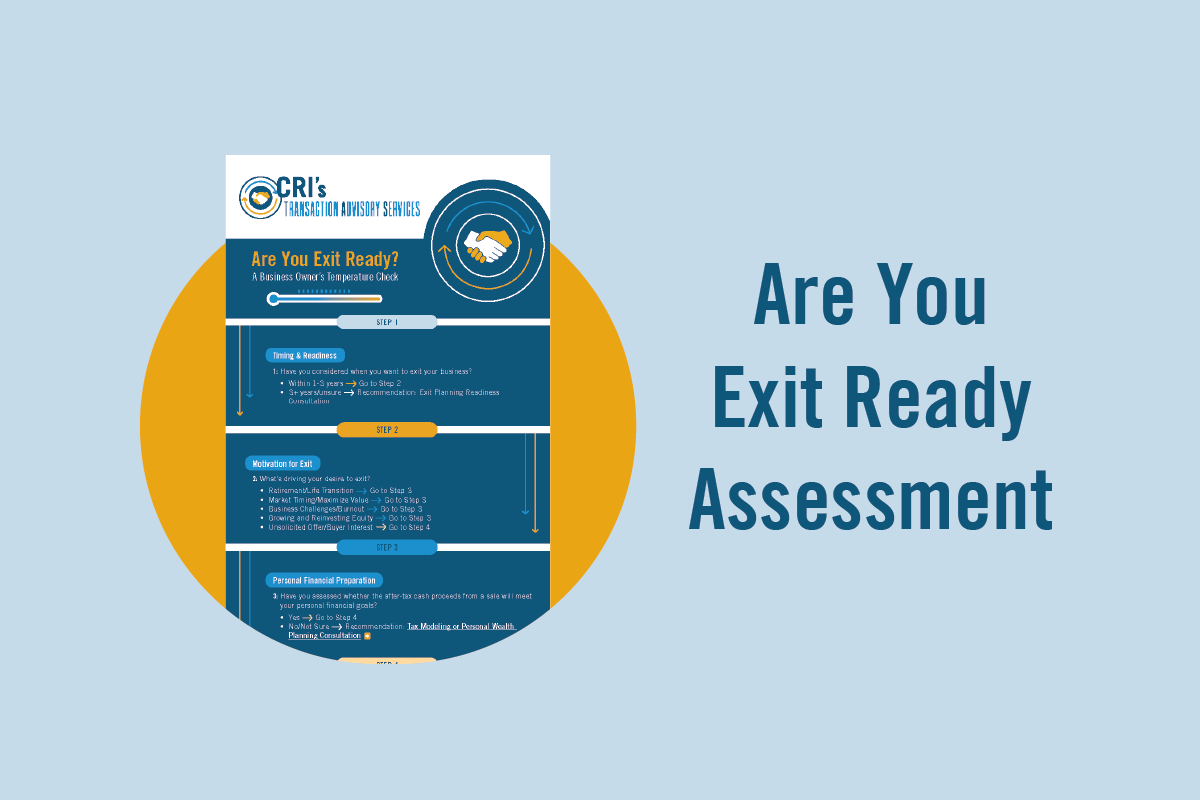
Private equity sponsors, portfolio companies, and executives need to balance growth opportunities with careful financial planning, reporting, and deal-readiness. At CRI, we work closely with private equity firms and their portfolio companies to support acquisitions, improve financial transparency, and prepare for successful exit transactions. Reach out to your CRI advisor to help you find opportunities, strengthen your financial reporting, and set your organization up for success in a more active private equity market. Early preparation and informed decision-making can help you respond strategically as new opportunities emerge and market activity accelerates.