
CAAS vs. Tax: Understanding the Difference and Why It Matters
- Contributors
- Cheri Swain
- Stephanie Schuchardt
May 4, 2026
Many businesses think of accounting and tax as one and the same. In practice, they serve different purposes. Both rely on accurate financial information, but they answer different questions and support different business needs.
While tax is primarily focused on compliance and tax planning, Client Accounting & Advisory Services (CAAS) focuses on the business's financial operations. CAAS helps organizations maintain accurate books, improve day-to-day financial processes, and turn financial data into information that leadership can use to make better decisions. Understanding that distinction can help business owners and leaders identify what kind of support they need and where gaps may exist.
What Is CAAS?
CAAS is an outsourced or co-sourced accounting solution that provides both foundational accounting support and higher-level financial insight. It supports the day-to-day financial operations of a business while helping leadership better understand and use financial data.
Core CAAS capabilities often include:
- Bookkeeping and general ledger management
- Account reconciliations and period-end close
- Accounts payable and receivable support
- Payroll processing
- Management reporting and financial visibility
- Accounting cleanup and process improvement
- Technology enablement and system optimization
- Outsourced controller or advisory support
CRI’s broader advisory model also includes strategic services such as key financial metrics, cash flow projections, budgeting, process improvement, internal controls design, and technology advisory. Depending on client needs, these services may be delivered through CAAS engagements or in collaboration with affiliated advisory teams.
What sets CAAS apart is that it extends beyond transaction processing. At its best, CAAS turns accounting information into practical business insight.
What Does Tax Cover?
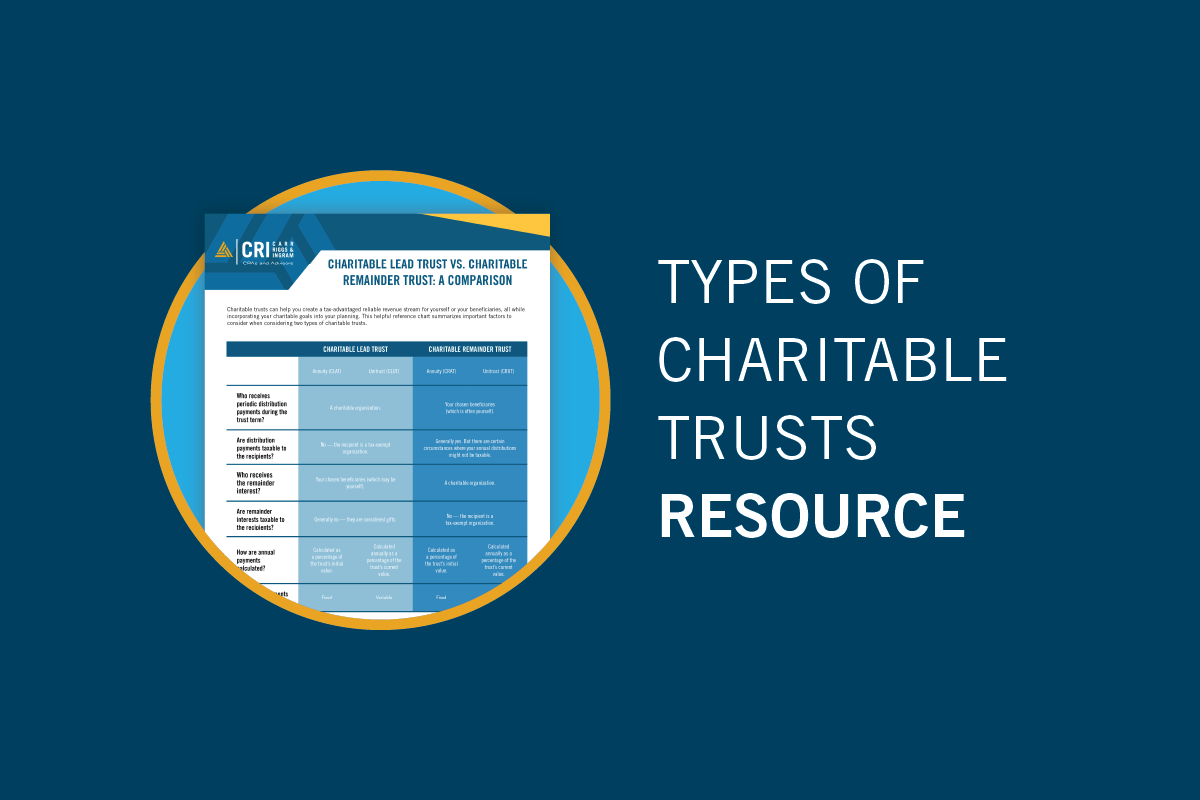
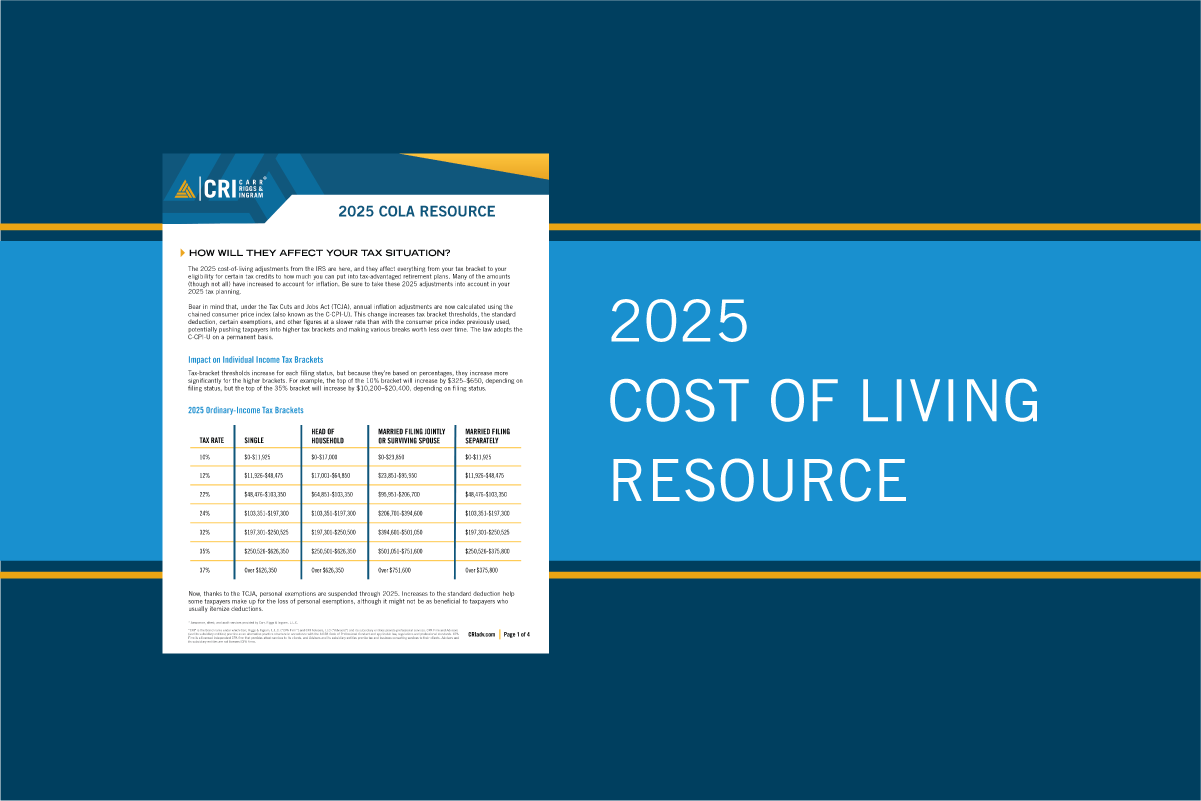
Tax services generally focus on helping businesses meet filing requirements, calculate liabilities, and plan for tax consequences. That can include income tax compliance, estimated payments, tax strategy, entity structure considerations, state and local tax issues, payroll tax matters, and other tax-related reporting or planning needs.
While a tax engagement can help a business understand what it owes, what deductions may be available, or how a transaction could affect its tax position, tax services are not typically the day-to-day financial engine of the business. They are essential, but they serve a different purpose.
CAAS and Tax May Start with the Same Data, but They Serve Different Needs
One reason CAAS and tax are often confused is that both rely on the same underlying financial information. Clean books, properly categorized transactions, reconciled accounts, and complete records all support tax compliance. But each service uses that information differently.
Tax uses financial data to prepare returns, support filings, and identify planning opportunities. CAAS uses that same data to help leadership understand current performance, identify developing issues, and make more informed business decisions.
That distinction matters when leadership assumes tax support covers all accounting needs. A company may have its returns filed on time but still struggle with delayed closes, inconsistent processes, weak cash flow visibility, or limited insight into profitability. The more useful question is whether the business is only meeting compliance requirements or also getting the financial insight needed to manage operations effectively.
What CAAS Can Help Clients Do
A strong CAAS function can support clients well beyond routine accounting. Depending on the organization’s needs, services typically fall into four core areas:
Transactional Accounting
- Maintain accurate, timely books through consistent transaction processing, reconciliations, and efficient period-end close
- Improve reporting reliability so decisions are based on current, dependable data
Back-Office Processing
- Support day-to-day financial operations such as accounts payable, accounts receivable, and payroll
- Enhance consistency and scalability through standardized workflows and automation
Controllership
- Oversee budgeting, spend management, and compliance with regulatory requirements
- Strengthen the accounting environment through internal controls, system optimization, and process design
Financial Planning & Analysis (FP&A)
- Support forward-looking decision-making through cash flow projections, forecasting, and key financial metrics
- Deliver reporting and dashboards that highlight trends, risks, and overall business performance
Together, these services give leadership a clearer view of the business, helping them manage operations with greater confidence and make decisions based on timely, reliable financial information.
When CAAS May Be the Missing Piece
Some businesses turn to CAAS because they have outgrown basic bookkeeping but are not ready to build a full internal accounting department. Others may already have accounting personnel in place but need stronger processes, better reporting, or more strategic support. Common signs include delayed reporting, limited cash flow visibility, difficulty closing the books accurately, and decisions being made without timely financial information.
In those situations, tax support alone may not address the underlying issue. A business may be meeting its filing obligations while still lacking the financial clarity needed to manage operations effectively. This is not a question of CAAS or tax. Most businesses need both. Tax and CAAS work best when the underlying records, reporting processes, and advisory support are aligned. When both functions work well together, businesses are better positioned to maintain accurate records, streamline compliance, and use financial data more strategically.
Understanding What Your Business Needs
Most businesses rely on both functions, but they serve very different roles. Tax helps meet compliance obligations and plan around exposure. CAAS provides the financial foundation and visibility needed to manage the business day to day.
Understanding how these functions work together can help identify gaps, strengthen operations, and support more informed decision-making. Contact your CRI advisor to discuss how the right combination of accounting and tax support can align with your organization’s needs. With the right support in place, businesses can build a stronger financial foundation for the future.