
Deeper Dive into the “New” World of R&D: What You Need to Know
- Contributor
- Betsi Barrett
May 15, 2026
The One Big Beautiful Bill Act (OBBBA) made it a bit easier for taxpayers to recover R&D costs. Starting in 2025, taxpayers can once again immediately deduct domestic R&D expenses instead of amortizing them over five years. This change significantly enhances the value of the deduction — and many taxpayers may still also qualify for the R&D tax credit.
With renewed attention on R&D planning, it’s worth taking a deeper look. Previously, we covered how the R&D deduction changed and how the R&D tax credit plays alongside it. Today, let’s dig a bit deeper and address the following:
- What are R&D expenses?
- What industries typically conduct eligible research?
- Should you take the credit?
What are R&D expenses?
There are two definitions of R&D expenses: one, for the R&D deduction, and one for the R&D credit. Let’s talk about both.
R&D Tax Deduction
Under IRC Section 174, the definition of eligible R&D expenses is quite broad. Essentially, you can deduct the costs you spend developing or improving a product. And thanks to the OBBBA, domestic R&D expenses are now fully deductible.
Businesses that perform R&D activities domestically can deduct those costs in the year they were incurred — just like other ordinary business expenses (like payroll, rent, and office supplies). R&D expenses performed overseas cannot be deducted immediately; instead they must be capitalized and amortized over 15 years.
But R&D is more tightly defined when it comes to the R&D tax credit.
R&D Tax Credit
To qualify for the credit under IRC Section 41, you must be performing an eligible activity and have eligible expenses.
Eligible Activities
Your R&D activities must meet the following four-part test:
- Permitted purpose
- Technological in nature
- Elimination of uncertainty
- Process of experimentation
We went into detail about this four-part test here.
Eligible Expenses
Eligible expenses must meet the IRS’s definition of Qualified Research Expenses (QREs), which fall into four categories:
- Wages
Wages paid to employees who conduct, execute, directly support, or directly supervise qualified research may qualify for the credit. Just keep in mind that only wages attributable to the R&D activities is eligible — time spent on non-R&D tasks doesn’t count. - Supplies
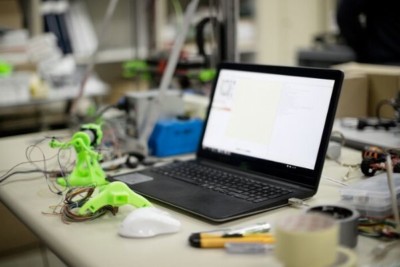
Supplies like raw materials, tools, and other tangible property used to develop prototypes may be treated as QREs, provided they’re consumed in the research process. - Cloud Hosting
Expenses paid for cloud hosting of the development and testing environments.
- Contract Research
If a business lacks the facilities or expertise to perform R&D internally and outsources that job to a third party, a portion of those costs may qualify as QREs.
What industries typically conduct eligible research?
Many different types of industries are eligible for the R&D deduction and the R&D credit. Some of the most common are:
- Software and technology
- Manufacturing
- Pharmaceutical and life sciences
- Aerospace
- Agriculture
But these aren’t the only industries that are eligible.
The key takeaway is that R&D activity isn’t driven by industry labels; it’s driven by activities. Many businesses perform qualifying research without realizing it. That’s why it’s always good to consult with an R&D professional to determine if your business activities could qualify for the R&D credit.
Should you take the credit?
In most cases, the answer is “yes” — if you qualify. With the credit, you’ll see a dollar-for-dollar reduction of your tax bill, and any unused credit can be carried forward to offset future tax liabilities.
Making the Most of Available R&D Incentives
With the immediate deduction for domestic R&D expenses restored and the R&D tax credit still available to many qualifying businesses, now is a good time to revisit how your organization identifies, tracks, and documents research activities. Contact your CRI advisor to discuss your R&D activities and evaluate whether your business may be positioned to benefit from available deduction and credit opportunities. A proactive approach to R&D planning can help businesses strengthen cash flow, support innovation, and maximize available tax benefits over the long term.