
From Desktop to Cloud: Enabling Real-Time Financial Management Through Modern GL Transformation
- Contributors
- Cheri Swain
- Stephanie Schuchardt
May 20, 2026
For many businesses, the general ledger remains the foundation of financial management, but the way that foundation is maintained is changing. Legacy desktop accounting systems once offered a practical solution for bookkeeping and reporting, but they are increasingly misaligned with how businesses operate today. Limited accessibility, file dependency, weakening support, and reduced functionality can create operational friction at a time when leadership needs faster answers and more reliable visibility into performance.
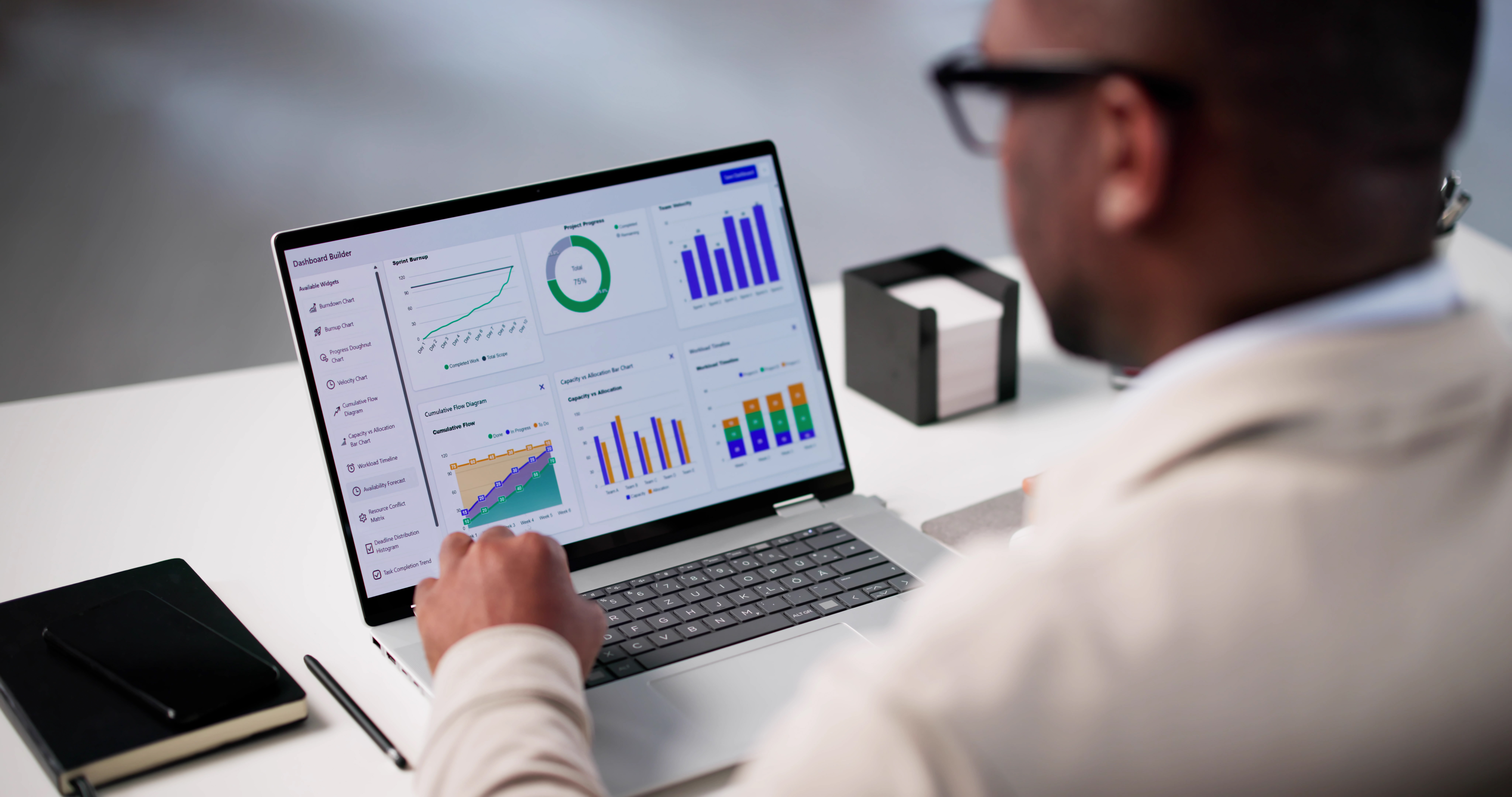
Switching from a desktop accounting system to the cloud is more than just updating your technology. It represents an opportunity to modernize how accounting operates on an ongoing basis. While legacy systems often force accounting into a periodic, catch-up cycle, cloud-based environments support more timely processing, review, and visibility. When paired with consistent processes and regular oversight, this shift allows accounting to move from an after-the-fact reporting function to a more connected, decision-supporting resource for leadership.
Why Legacy Desktop Systems Are Becoming a Greater Risk
Many desktop accounting systems were designed for a different time. They often rely on files stored on local computers, workarounds for version control, manual data transfers, and limited user access. This setup worked when accounting teams were all in one place and reporting was less urgent. Now, these limitations can cause bigger problems.
As vendors phase out support for older desktop products, businesses may face more than inconvenience. Discontinued updates can introduce security concerns, compatibility issues, and operational risk. In some cases, core functionality may erode over time, including bank feed connectivity and other integrations that reduce manual work. The result is not only a less efficient accounting process, but also a less resilient one.
For leadership teams, this can create broader business issues. When the underlying system becomes harder to support, access, or trust, finance teams may spend more time managing workarounds and less time producing timely, useful financial information.
The Principles of Good Bookkeeping Have Not Changed
Cloud migration does not change the fundamentals of sound accounting. Transactions still need to be recorded correctly, accounts must be reconciled, and financial reports should be reviewed carefully. Good bookkeeping still depends on discipline, consistency, and strong internal controls.
What has changed is the environment in which that work can happen. Cloud-based systems make it easier to apply these principles consistently and on a more timely basis. Instead of relying on file-based processes and delayed updates, accounting teams can capture activity continuously, collaborate within a shared system, and apply regular review throughout the month. This creates a stronger foundation for disciplined accounting practices supported by structured processes rather than end-of-period clean-up.
From Monthly Close to Continuous Accounting
One of the biggest advantages of a modern cloud-based GL environment is that it supports a shift from traditional monthly-close thinking to a more continuous accounting model. In many desktop environments, accounting is still treated as a periodic event. Transactions accumulate, reconciliations happen after the fact, and the close process becomes a time-consuming effort to catch everything up. By the time reports are finalized, the information may already be dated. That can make it difficult for leadership to respond quickly to changes in cash flow, margins, spending patterns, or operational performance.
Cloud-based platforms can help reduce that lag, but the real benefit comes from how they are used. Automated bank feeds, integrated applications, and improved transaction visibility allow accounting activity to be reviewed and reconciled on an ongoing basis rather than deferred until month-end. When supported by consistent processes and regular oversight, finance teams can maintain a more current view of financial activity throughout the month. The formal close process still matters, but it becomes more of a final validation step than a scramble to reconstruct the financial picture after the fact.
Better Access, Better Collaboration, and Stronger Financial Oversight
Cloud systems improve accessibility in ways that go beyond convenience. Accounting teams, internal stakeholders, and advisors can work in the same environment without sending backup files, relying on one local machine, or waiting for someone else to log out. That shared access can improve collaboration, speed communication, and reduce the risk of working from outdated or incomplete data. When everyone is working from a current system, financial information is easier to trust and use.
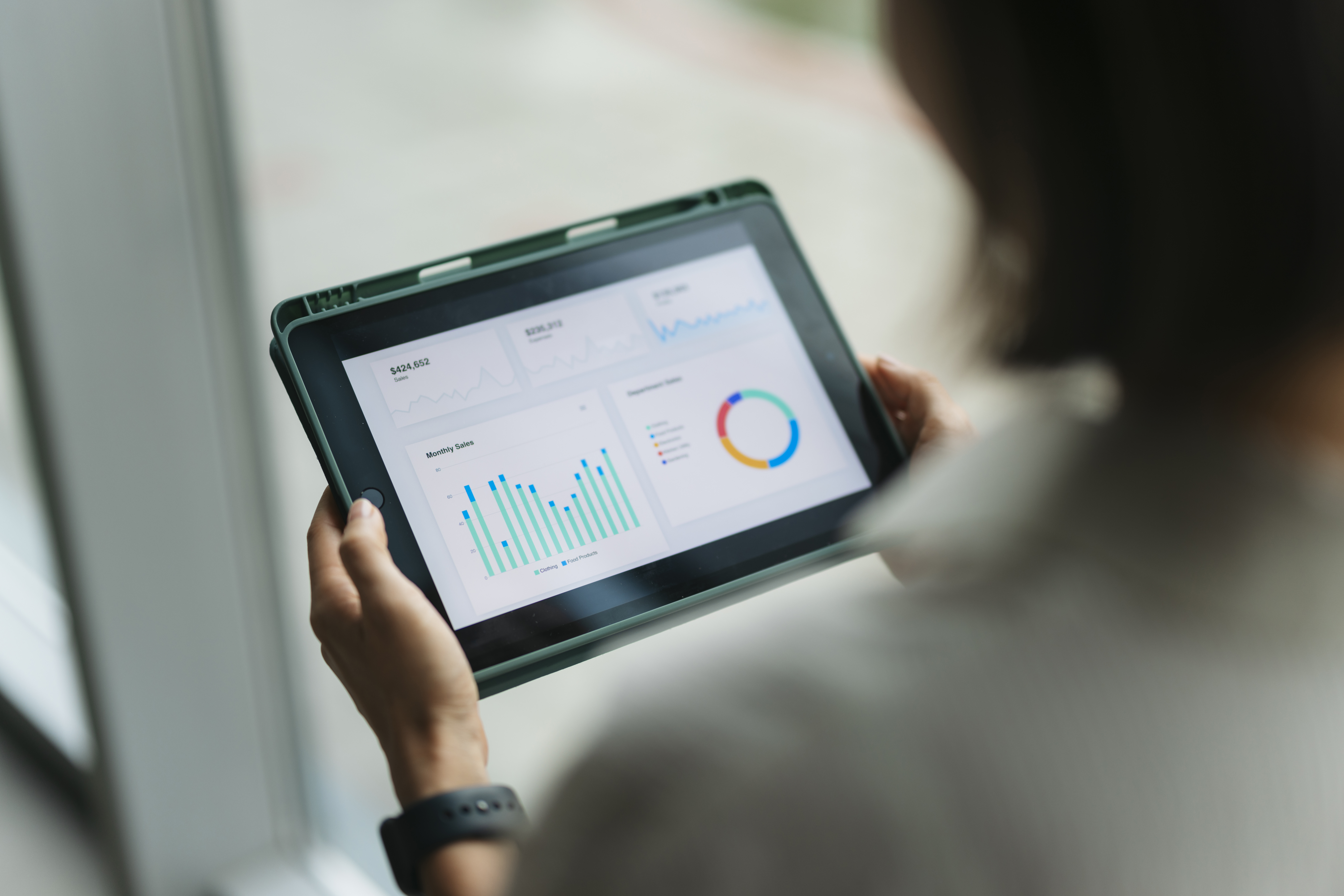
That accessibility also strengthens financial oversight. Automated feeds, role-based access, integrated workflows, and more consistent transaction processing reduce manual intervention while improving transparency and accountability. When financial data is reviewed regularly and maintained in a shared environment, organizations are better positioned to monitor cash flow, evaluate trends, and support proactive advisory discussions. The system becomes not just a record-keeping tool, but a reliable source of information for ongoing financial management.
Migration as a Strategic Opportunity
For businesses still using desktop accounting systems, moving to the cloud might seem forced when vendor support ends, or features stop working well. However, it’s also a chance to make accounting stronger in several important ways, such as:
- Cleaning up accounting records before moving to a new environment
- Reassessing workflows to reduce inefficiencies and manual handoffs
- Improving integrations across financial systems and applications
- Modernizing transaction processing and reconciliations
- Clarifying reporting needs so leadership has better access to timely financial information
If planned carefully, moving to the cloud can help improve both your operational efficiency and your financial management.
Moving Toward More Modern Financial Management
Cloud migration is no longer just about updating software. It is about improving continuity, control, and access to current financial information in a faster-moving environment. By moving away from file-based limitations and catch-up routines—and supporting the system with consistent processes and regular review—businesses can strengthen controls, reduce close-related stress, and produce financials that better support both operations and advisory needs. To learn more about how CRI can help your organization move to cloud-based accounting, contact your CRI advisor to discuss a migration and support strategy that fits your needs. With the right approach, the move to cloud-based accounting can help your finance function become more responsive, reliable, and prepared to support future growth.