
7 Numbers Your Small Business Needs to Track (Beyond Revenue)
- Contributor
- Esmeralda Yniguez
May 22, 2026
Is your business heading in the right direction? Are you sure?
Too many small businesses steadily grow the top line while quietly running into cash flow problems, margin erosion, or operational inefficiencies they didn’t see coming.
What Revenue Doesn’t Show You
Revenue growth feels good, and when sales are up, it’s natural to feel like the business is on solid footing. But revenue alone does not tell you whether your business is sustainably profitable.
If you’re myopically focused on revenue growth, you could be turning a blind eye to a number of different factors that could threaten that growth, such as:
- Gross profit margin
- Cash flow
- Receivables aging
- Cash conversion
- Working capital
- Customer concentration
- Labor efficiency
Gross profit margin is one of the most telling numbers a small business owner can monitor. It measures how much of each dollar of revenue remains after covering the direct costs of producing your product or service. A business with increasing revenue but shrinking gross margin may be pricing too low, taking on less profitable work, or absorbing too much of rising costs (such as tariffs). Watching this number over time can help you make smarter pricing and cost decisions before small problems become big ones.
Cash flow tells a different story than profit. It’s possible to be profitable on paper while struggling to pay vendors or make payroll — especially if customers are slow to pay. Receivables aging shows you how long outstanding invoices have been sitting unpaid and can flag patterns that are putting pressure on your cash position. A high percentage of aged receivables signals a cash flow crunch ahead. Pair that with your cash conversion cycle — how quickly you turn sales into actual cash — and you can start to understand whether your cash flow is keeping up with your growth or falling behind it.
Working capital, the difference between your current assets and current liabilities, is another useful measure of financial health. A healthy working capital balance means you have enough short-term resources to cover your obligations. A shortfall can signal trouble ahead, even when revenue looks fine. Beyond cash and margin, a few operational metrics can tell you a lot about whether your business is running efficiently and whether your growth is sustainable.
Customer concentration is a risk factor that often goes unexamined. If a significant share of your revenue comes from a few customers, losing one of them could have an outsized impact on your business.
Labor efficiency measures how much output or revenue your team is generating relative to your payroll costs. If labor costs are rising faster than productivity, that's worth investigating — whether it points to staffing levels, scheduling, processes, or something else. For service businesses in particular, this number can be a leading indicator of capacity and profitability.
Turning Data into a Living Picture of Your Business
Knowing which metrics matter is a starting point. The bigger shift is building a regular habit of reviewing them so you can spot trends and adjust your course while you still have options.
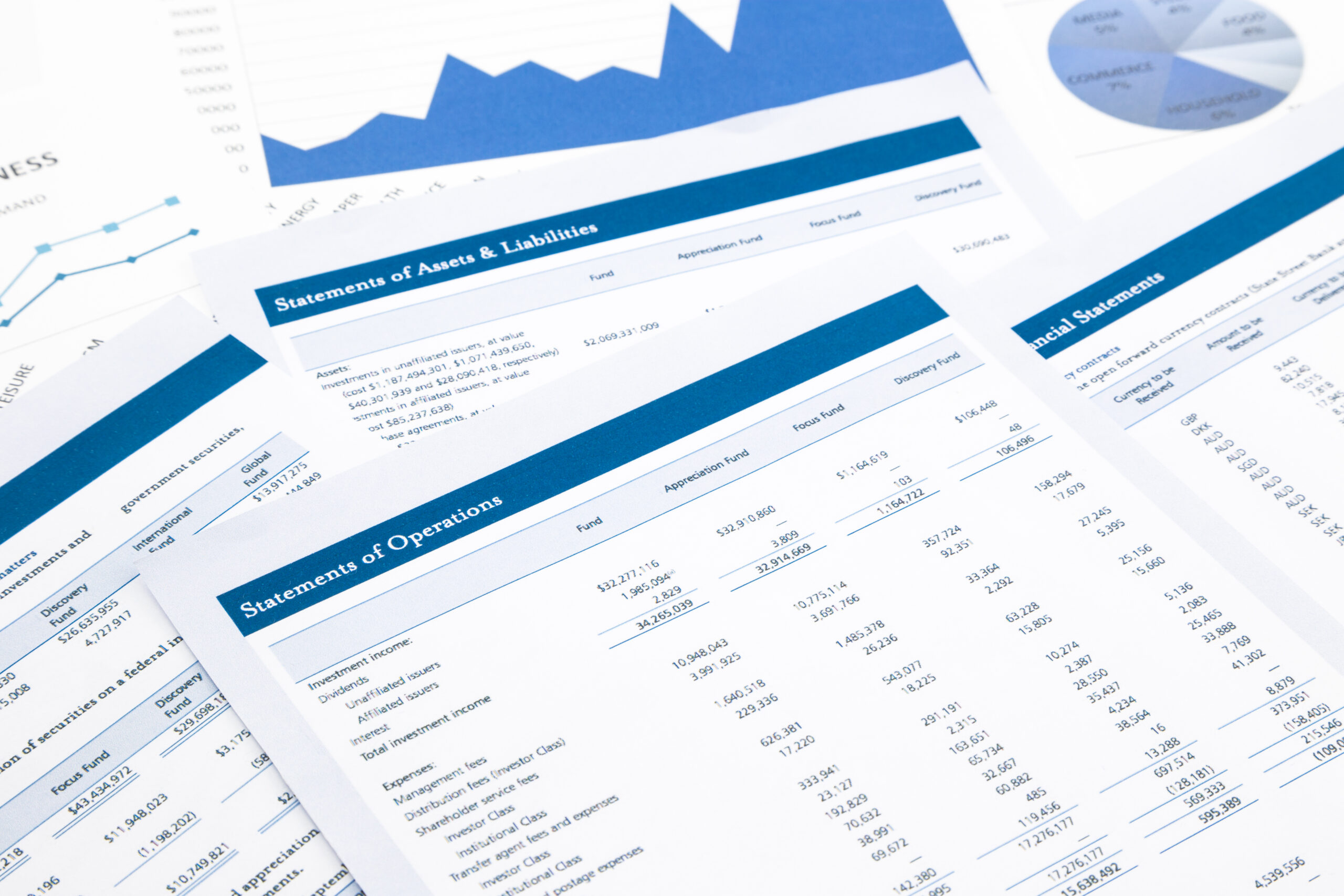
Most of the metrics described above already exist somewhere in your business — in your accounting software, your bank accounts, your payroll system, or your invoicing records. The challenge isn't finding the data; it's organizing it so you can actually use it.
Building that picture starts with the frequency and consistency of how you record transactions. If bookkeeping happens once a month, your financial reports are essentially history lessons — useful, but too late to act on.
Moving toward a more regular rhythm, whether weekly or even daily for key accounts, means your data stays current and your decisions can too. Cloud-based accounting software can help by connecting your bank, credit card, and payroll accounts in one place, giving you a near real-time view of where your business stands.
From there, the goal is to build a simple, repeatable way to review the metrics that matter to you. That doesn't have to mean a complex dashboard or a lengthy review process — it can be as straightforward as a short list of numbers that flags anything moving in the wrong direction. The key is consistency. Businesses that review these metrics regularly can spot a cash flow squeeze, a margin problem, or an efficiency gap early enough to respond — before it becomes a crisis.
Move From Tracking to Decision-Making
You don’t have to do this alone. Collaborating with accounting advisors who know how small businesses operate can help you move from reacting to your numbers to actually using them. Reach out to a CRI advisor if you'd like to explore what better financial visibility could look like for your business.