
Ensuring Financial Integrity in Church Operations
- Contributor
- Mark R. Yoder
Mar 9, 2026
Maintaining integrity in church finances is not only a spiritual mandate but also a critical legal and ethical obligation. From detailed compensation reporting to adhering to federal and state reporting requirements, every facet of financial management requires attention and oversight to ensure compliance with laws and regulations and uphold the highest standards of financial stewardship. However, for many religious organizations, this can be a daunting task. The challenge often lies in knowing where to begin, especially when balancing these obligations with their core mission and day-to-day activities. Understanding and implementing best practices in these areas is crucial for fostering a transparent and trustworthy financial environment.
Areas of Focus in Church Financial Integrity
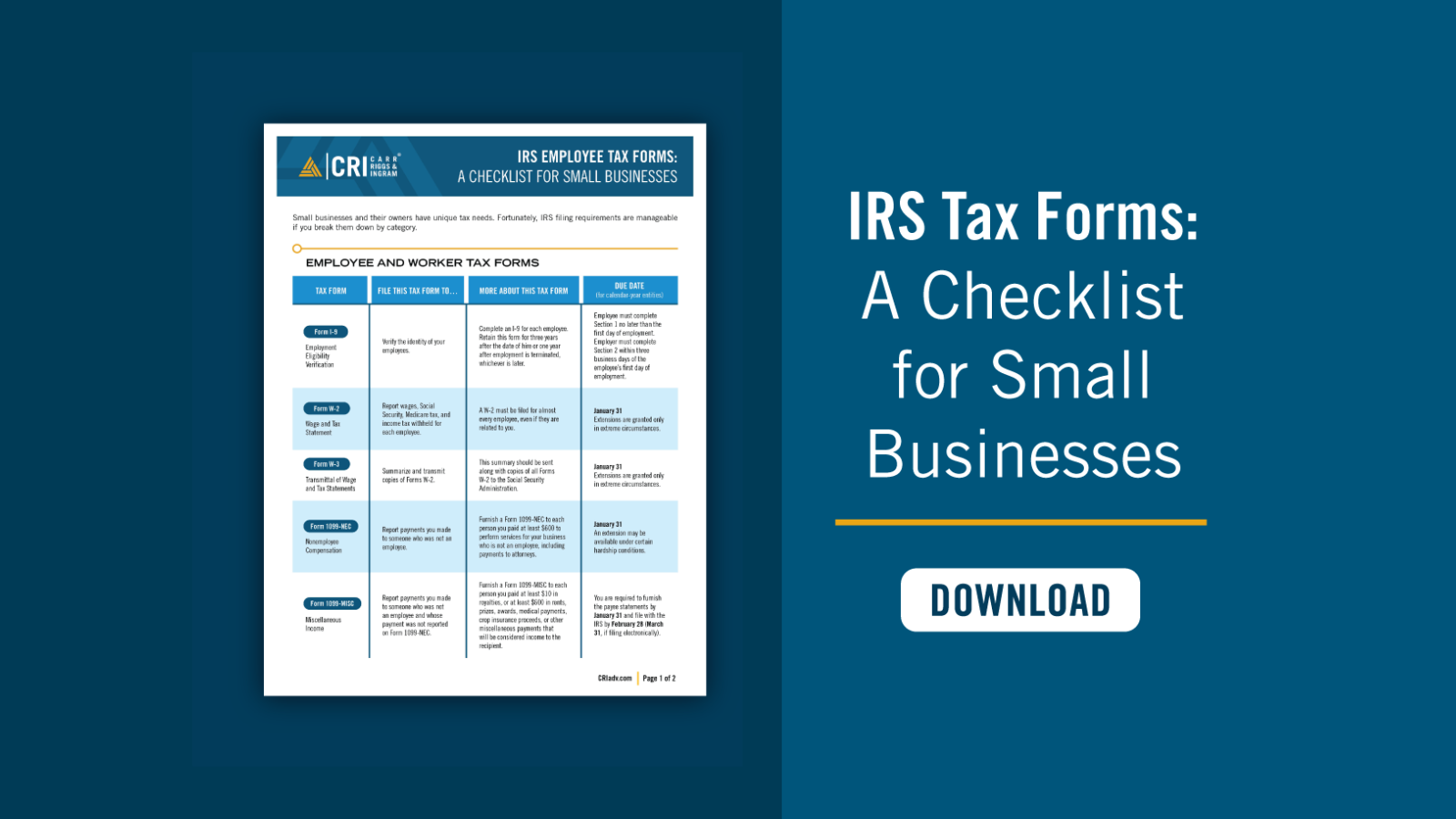
Compensation reporting is often one of the first areas of focus when it comes to a church’s financial integrity. Churches must ensure their compensation packages are fair and compliant with IRS guidelines, which involves understanding reasonable compensation standards and reporting them accurately on Form W-2 and 1099-MISC. Differentiating between employees and independent contractors is crucial in order to maintain compliance, as reporting each correctly can help avoid costly penalties.
Ensuring Donor Confidence in Charitable Donation Receipts
For maintaining donor confidence and meeting tax reporting requirements, charitable donation receipts are a must. Churches must issue detailed receipts for all donations, especially for contributions over $250. These receipts should include the church’s name, the contribution date, the amount (if cash) or a description (if non-cash), and a statement regarding any goods or services provided in exchange for the donation. Reminder: For non-cash gifts, only include a description of the items received. Except in the case of marketable securities, never assign a value to the gift, because the donor is responsible for valuing the non-cash gift in accordance with the U.S. Tax Code.
Safeguarding Church Assets
Ensuring donor confidence is a critical aspect of church financial management, especially in handling charitable contributions. Maintaining this trust is achieved through practices such as issuing detailed charitable contribution receipts acknowledging restrictions, if any, and utilizing advanced financial management software. These measures are vital not only for sustaining donor trust but also for adhering to tax reporting requirements.
Strong internal controls are paramount in safeguarding church assets against misuse or fraud. This includes segregating duties, conducting regular financial reviews, and scheduling internal or external audits. For example, different individuals should be responsible for handling the receipt and deposit of funds. At the same time, a person separate from this role should oversee recording these transactions and incorporating regular financial reporting and internal or external audits*, further bolstering accountability and transparency.
Leveraging appropriate software for financial management is non-negotiable in today’s digital age, as it can streamline processes, ensure accuracy, and provide valuable financial insights. Any software chosen should align with the church’s size and complexity, offering features such as fund accounting, budgeting, and financial reporting that are integral to maintaining efficient and transparent financial operations while also catering to the unique needs and challenges churches face in their financial management.
Funding Issues and Governance
Because churches often face unique funding issues, particularly in managing tithes, offerings, and fundraising, a strategic approach to financial governance is required to ensure long-term sustainability. This approach should involve creating a well-considered budget that reflects the church’s financial capabilities, and diligently monitoring cash flow to anticipate shortfalls while also considering the use of internally designated funds to establish reserves for future operating and capital needs. Engaging in such planning provides a foundation for future stability and growth.
Additionally, effective governance is significantly enhanced by the presence of a knowledgeable board or finance committee. This committee should oversee these financial aspects and engage in proactive decision-making and policy setting to guide the church’s financial strategy, ensuring that all financial activities align with the church’s mission and values while maintaining accountability and transparency to the congregation and community.
Federal and State Reporting Requirements
For tax-exempt organizations, churches need to understand how to comply with federal and state reporting requirements in order to maintain their tax-exempt status and ensure financial stability. While churches are exempt from filing Form 990, they must file Form 990-T if they have unrelated business taxable income, which can arise from activities like certain rental or parking lot income. Although such income is not typical for churches, it is a possibility as churches increasingly seek alternative uses for spaces that are often underutilized other than on Sunday. In addition, most churches do not need to register for state charitable solicitations, but they should be aware of state-specific annual report requirements tied to their corporate status.
Regarding sales tax, while many exemptions exist, churches engaging in sales activities akin to a business must adhere to their state-specific sales tax laws. These requirements and exemptions are not uniform across states, so churches must thoroughly understand and ensure compliance to avoid legal issues and financial repercussions.
Maintaining a church’s financial integrity is a complex but crucial aspect of church administration. By focusing on each of these areas, churches can ensure they are complying with legal standards and upholding the trust placed in them by their congregation and community. If you have any questions or need assistance in ensuring your organization is compliant, contact your CRI advisor. Our expertise and experience are at your service to help you maintain the highest standards of financial integrity in your church’s operations.