
From Dashboards to Decisions: Turning Financial and Operational Data into Actionable Performance Strategies
- Contributors
- Cheri Swain
- Stephanie Schuchardt
May 27, 2026
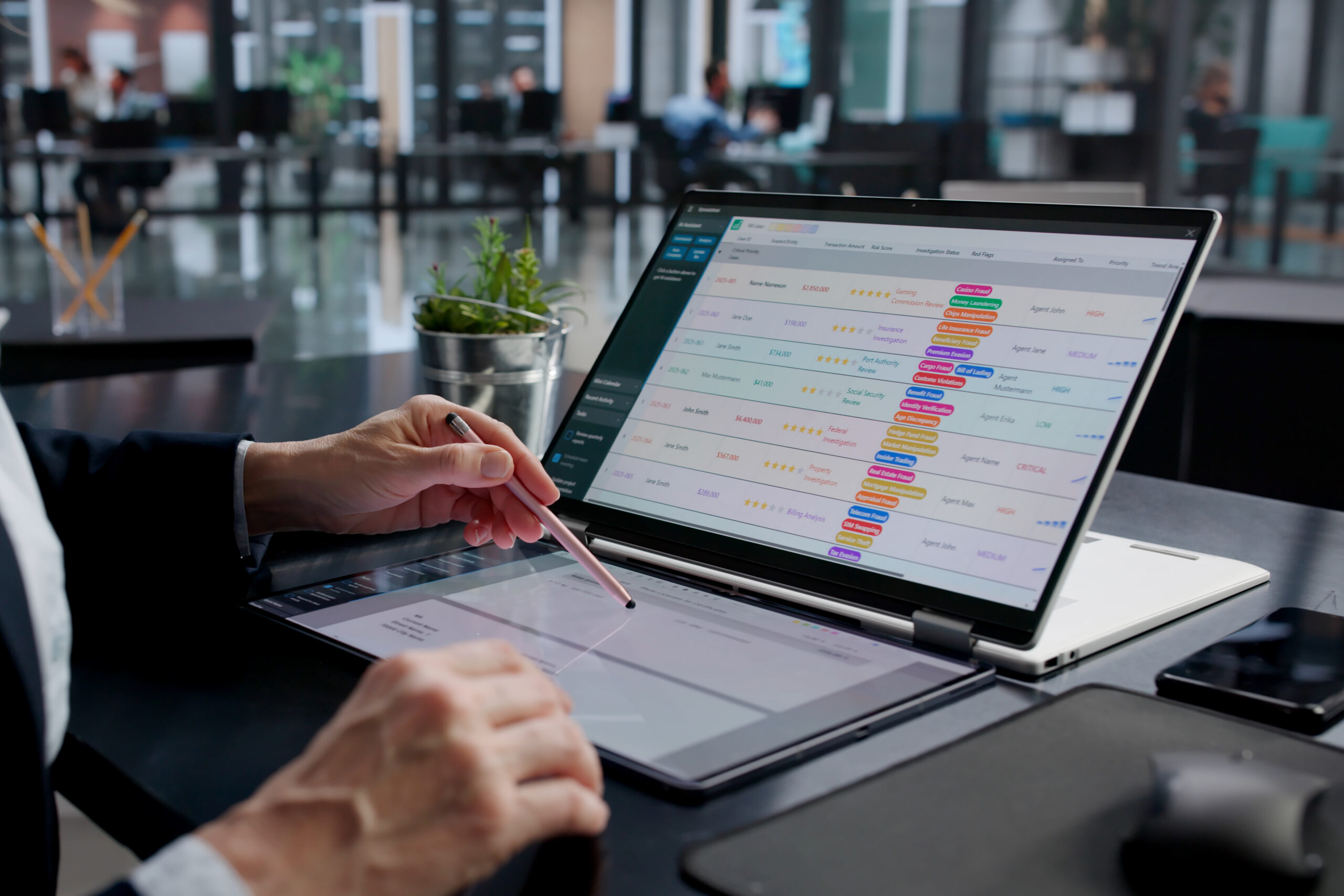
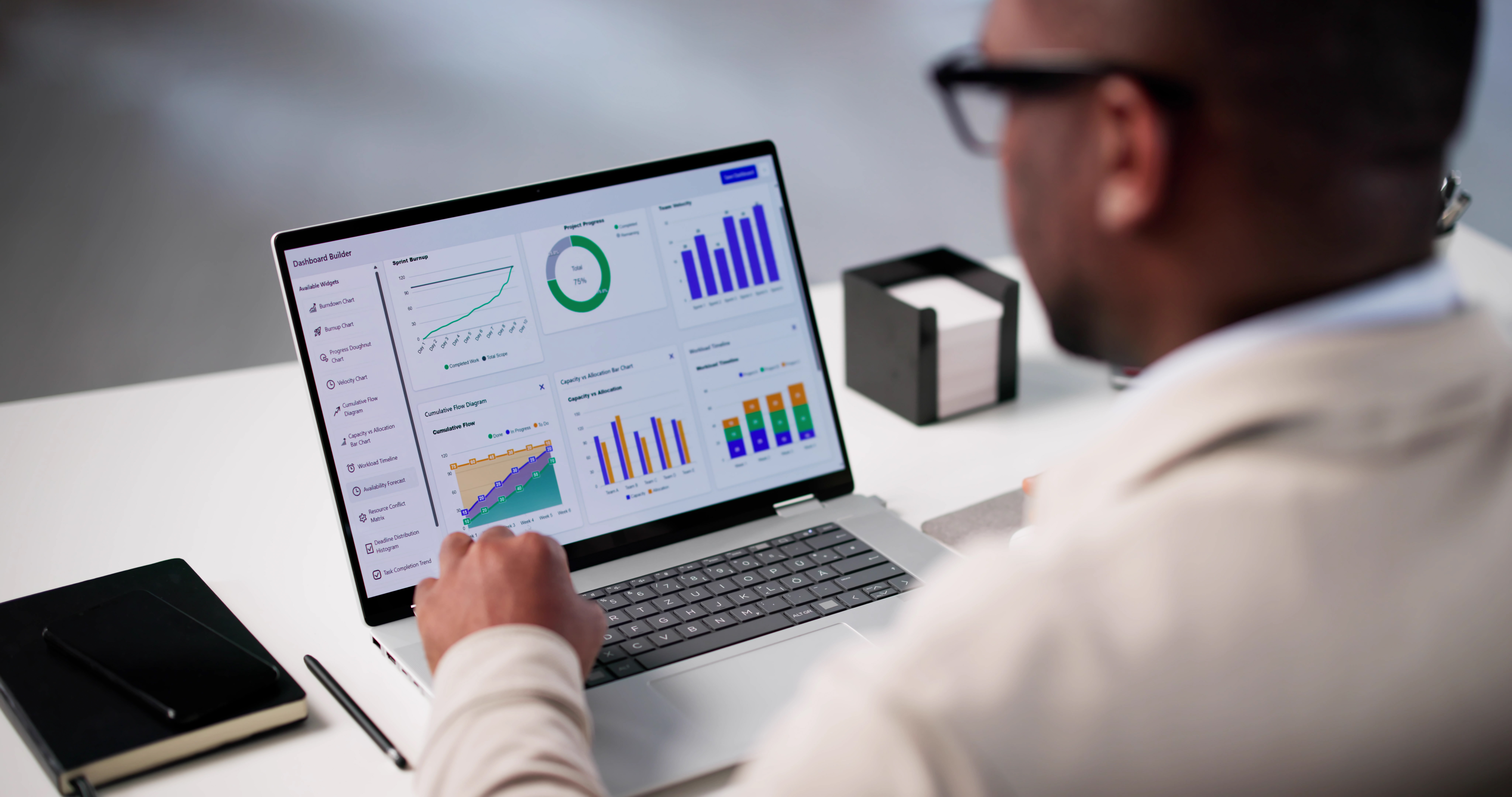
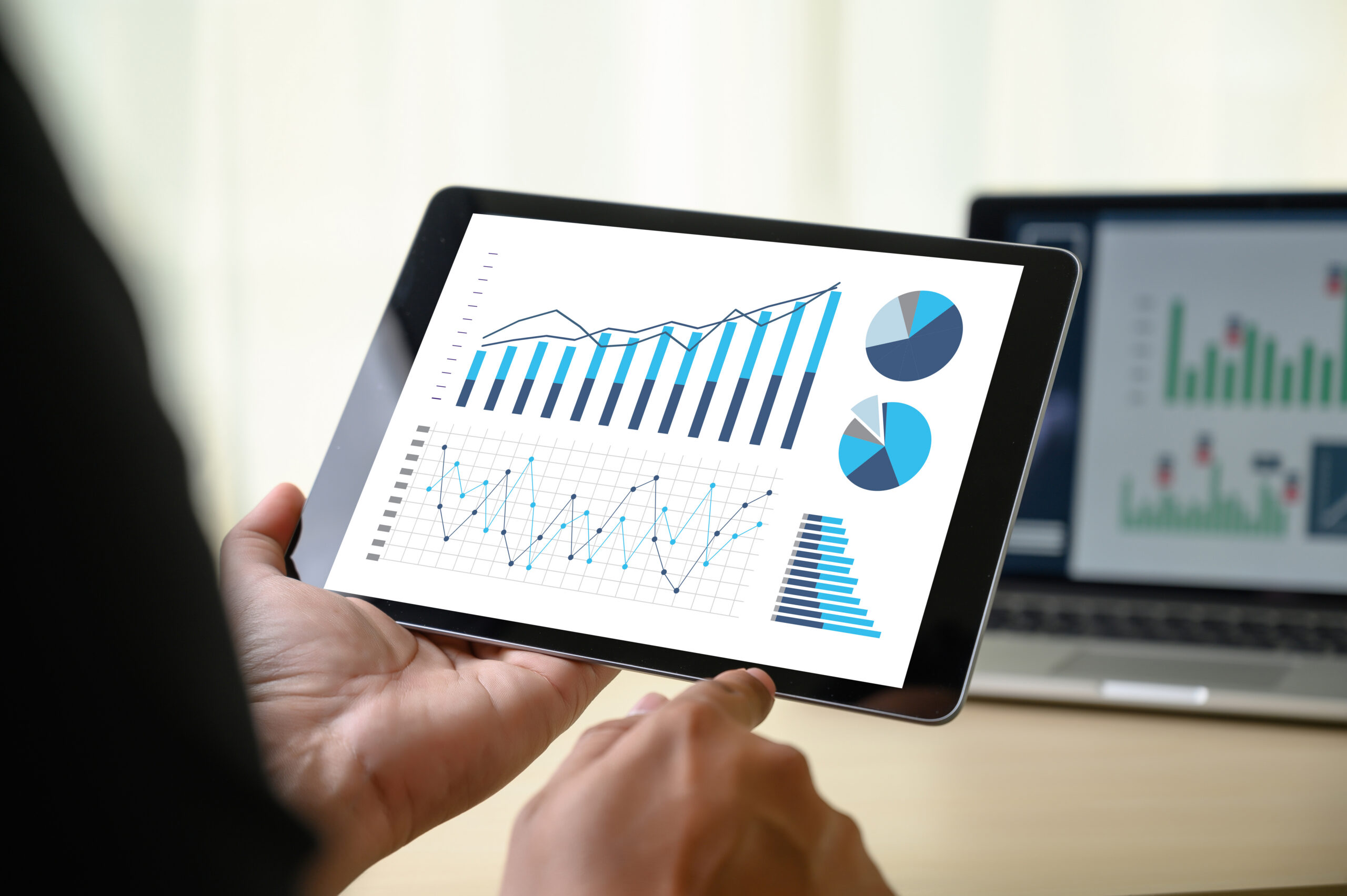
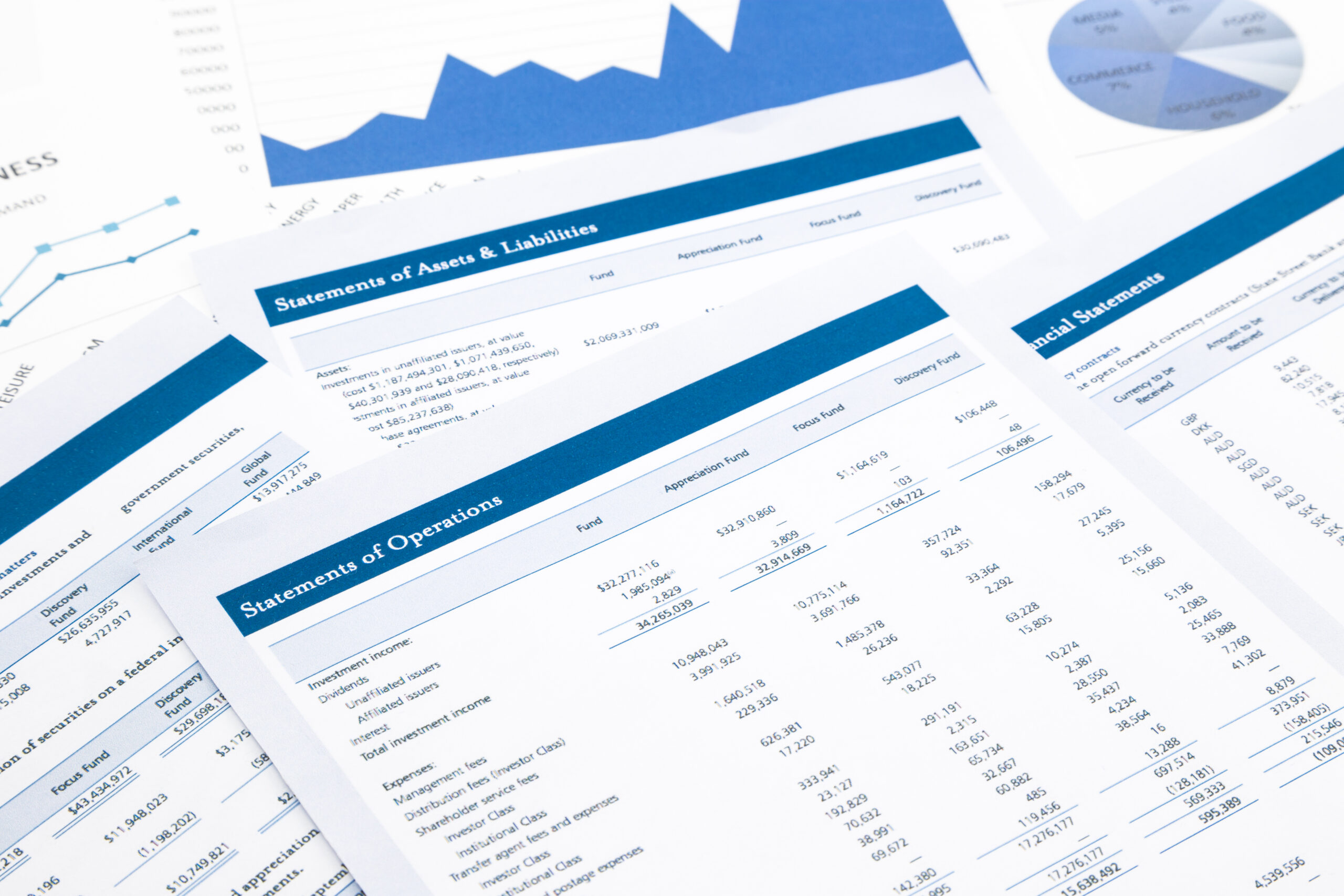
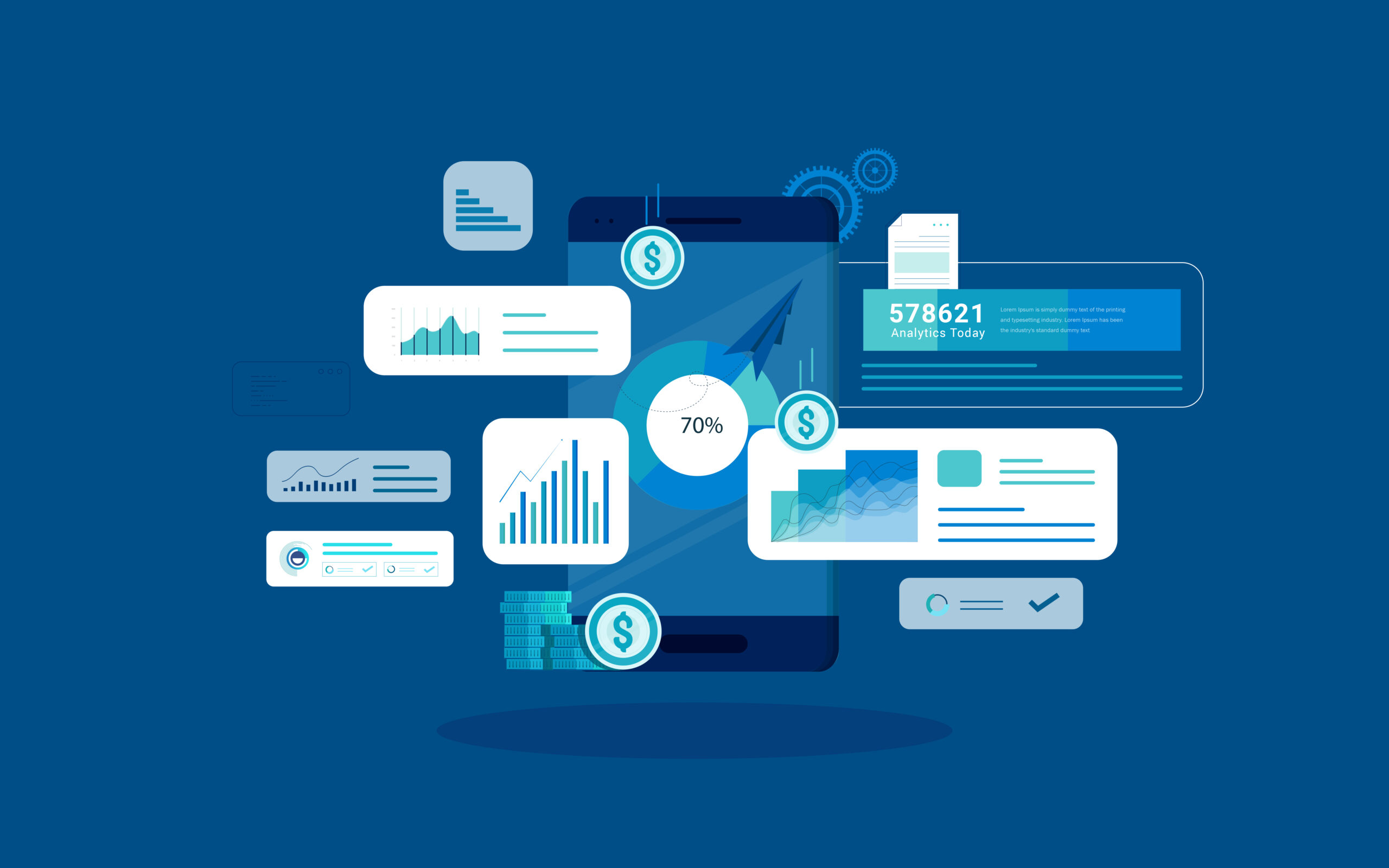
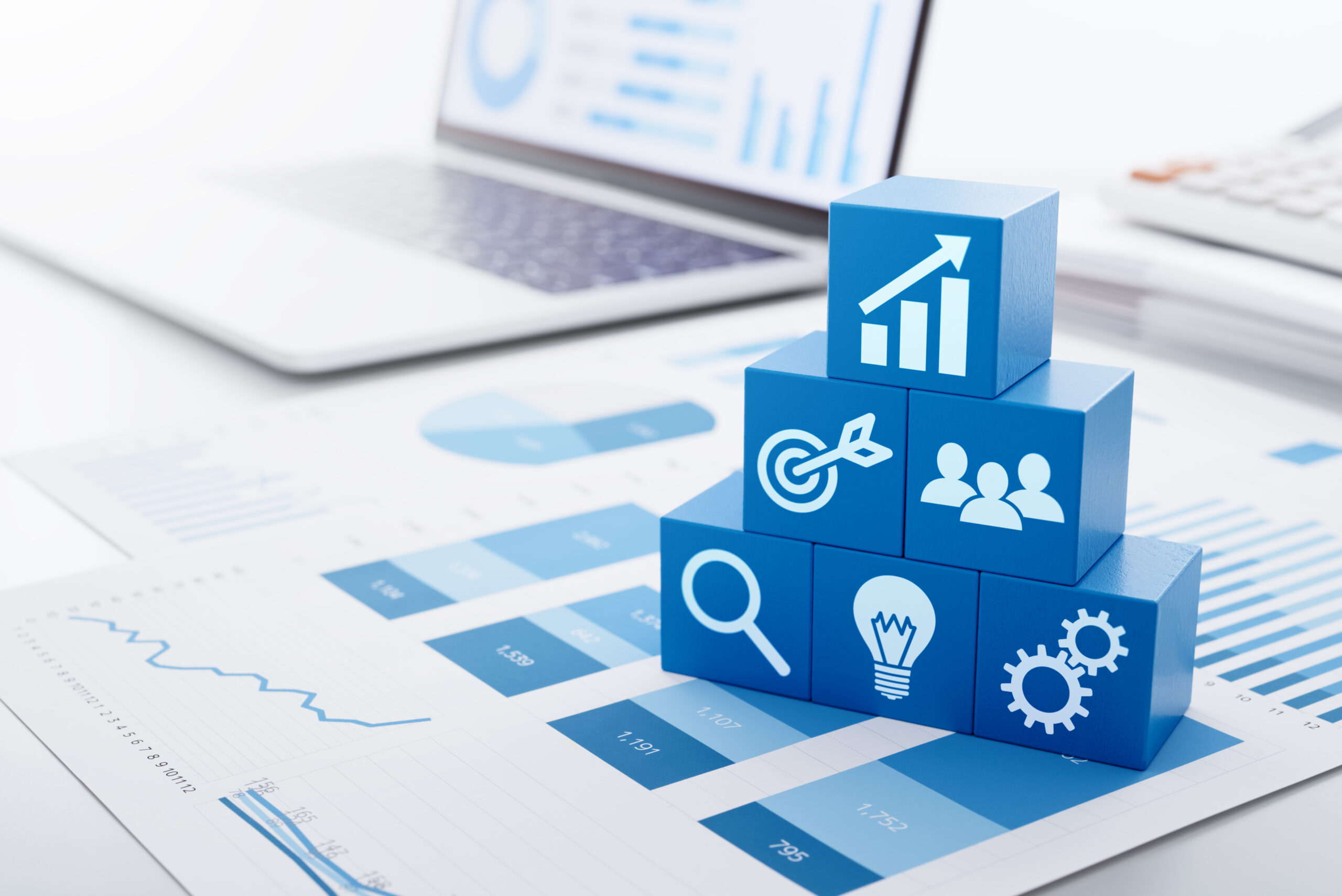
Most organizations today are not lacking data. Dashboards are in place, reports are consistent, and key metrics are being tracked—yet many leadership teams still struggle to answer a fundamental question: what should we do differently based on what we’re seeing?
Without that connection, reporting becomes a retrospective exercise. It may be useful for understanding what happened, but it is limited in its ability to influence what happens next. The organizations seeing the greatest return on their data investments are those that have moved beyond visibility into action. They are not just monitoring performance; they are actively managing it.
When Metrics Exist but Insight Is Missing
KPIs are often at the center of reporting strategies, but their effectiveness depends on alignment with the organization's strategy. Tracking revenue, expenses, or even margin trends in isolation rarely provides enough context to support decision-making. What matters is understanding the underlying drivers, including how pricing, cost structure, labor utilization, and operational efficiency are shaping outcomes.
When KPIs are clearly tied to business objectives, they begin to function differently. They highlight where performance is deviating, where pressure is building, and where adjustments may be needed.
This is where forward-looking financial planning and analysis (FP&A) becomes crucial. By pairing KPI tracking with forecasting, scenario analysis, and benchmarking, organizations can evaluate the financial impact of decisions before they are made, not just after results are reported.
Connecting Financial and Operational Performance
A common limitation in traditional reporting is the disconnect between financial results and operational activity. Financial statements may show margin compression, but without insights into sales volume, productivity, or labor dynamics, diagnosing root causes is harder and slower.
Integrating financial data with operational metrics provides a more complete picture of performance. It allows leadership to see not just the outcome, but the drivers behind it, whether margin pressure is tied to pricing erosion, rising input costs, or declining labor productivity.
In a rising cost environment, this level of insight is particularly valuable. Organizations that integrate these data points are better positioned to detect margin pressure early, refine pricing strategies, manage labor more effectively, and control costs before they materially impact results. It also enables more disciplined resource allocation. Instead of relying on static budgets or historical trends, leaders can evaluate where capital and effort are producing the strongest returns and adjust accordingly.
Moving from Reporting to Active Performance Management
Accurate financial data is the foundation. Without strong processes and oversight, even advanced analysis loses credibility. High-performing organizations build on accuracy with timely, relevant insight. By leveraging real-time data, structured oversight, and forward-looking analysis, financial information evolves from a record of past activity into a tool for guiding future decisions.
This shift changes how organizations operate. Instead of waiting until month-end—or in some cases year-end—to identify issues, to identify issues, leadership can monitor trends as they develop, test assumptions through scenario modeling, and respond more quickly and with greater confidence. It also improves alignment across functions. When finance and operations are working from a shared set of metrics and insights, decision-making becomes more consistent and execution more focused.
The Competitive Advantage of Actionable Insight
Turning dashboards into decisions is about disciplined performance management: meaningful KPIs, realistic budgets and forecasts, regular reviews, and insights that lead to action. It requires the right systems, processes, and expertise to turn data into clear direction.
Organizations that make this shift consistently outperform those that do not because they can identify issues earlier, act faster, and allocate resources with greater precision. Just as importantly, they gain a clearer understanding of what is driving performance and how to influence it.
Turning Insight into Action
As expectations around data and performance continue to evolve, the ability to translate insight into action is becoming a defining capability for CFOs and business leaders. Organizations that connect dashboards to decision-making are better positioned to respond to change, allocate resources effectively, and manage performance with greater discipline.
Ready to move from visibility to actionable performance? CRI works with organizations to define meaningful KPIs, implement financial planning and analysis processes, and turn financial and operational data into strategies that support measurable business outcomes. Contact your CRI advisor to discuss how a more connected, forward-looking approach can help strengthen performance. With the right structure in place, your data can become more than information; it can become a practical tool for improving agility, profitability, and long-term growth.