
Gig Workers: What’s Up with Form 1099-K?
- Contributor
- Wendy Bass
May 18, 2026
If you’re one of the millions of Americans who gets paid through one or more third-party payment networks — perhaps you’re an Uber driver, you rent your house through Airbnb, or you get paid through PayPal or Venmo for lawn maintenance — you will likely start seeing a tax form show up in your mailbox next January.
Form 1099-K has existed for years, but the reporting threshold has changed significantly. For tax year 2026 reporting, the lower $600 threshold is expected to apply under current IRS guidance following multiple delays and phased implementation periods. Under this rule, individuals who receive at least $600 in aggregate payments for goods and services through third-party payment networks may receive Form 1099-K, with a copy also provided to the IRS.
What Is Form 1099-K?
At this point, you’re probably wondering, “What exactly is this form, and how will it affect my tax situation?”
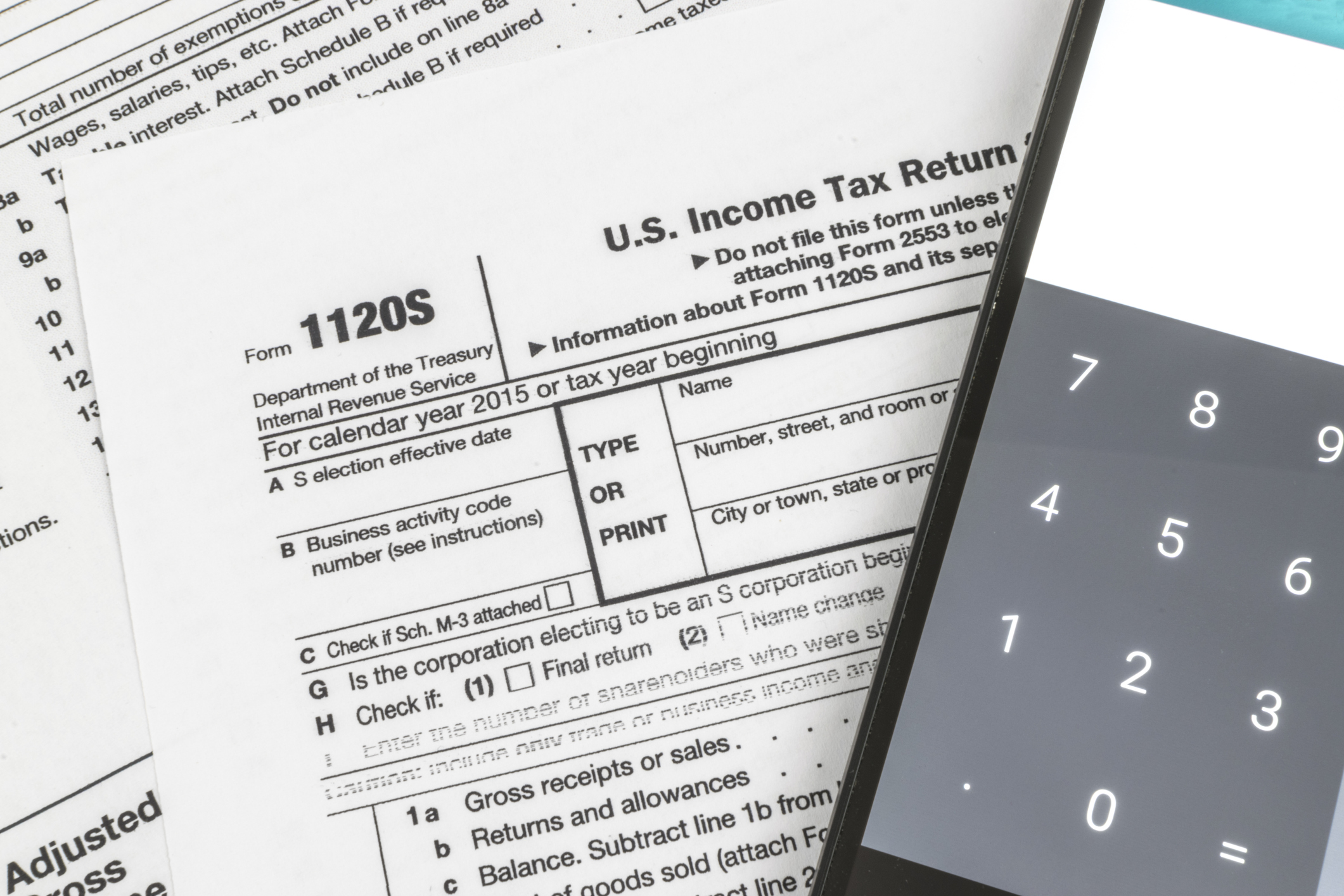
Form 1099-K is an information return — one of a class of forms the IRS uses to track payments between payers and payees. You might be familiar with other common information returns, such as Form 1098 (mortgage interest), Form 1099-DIV (dividends and distributions), and Form 1099-NEC (nonemployee compensation).
Form 1099-K was originally introduced to capture payment card transactions. In addition to banks and credit card processors, third-party payment networks (PayPal, Venmo, Stripe, etc.) were later required to report payments processed through their systems, but only when recipients exceeded $20,000 in payments and 200 transactions.
Why the Reporting Threshold Changed
The American Rescue Plan Act of 2021 significantly changed Form 1099-K reporting by lowering the threshold to $600 in aggregate payments and eliminating the transaction count requirement.
The original effective date was January 1, 2022, which would have brought millions of gig workers into the reporting regime immediately.
However, the IRS subsequently delayed implementation multiple times through various transition relief announcements:
- 2022–2023: Transition relief period
- 2024–2025: Continued phased implementation and further IRS delay announcements
- 2026: Expected full application of the lower threshold under current guidance
As a result, 2026 is the first year the $600 threshold is expected to apply in full, subject to IRS guidance.
Managing Taxes in the Gig Economy
Despite these reporting changes, one important principle remains the same: taxpayers are still responsible for reporting all taxable income, regardless of whether they receive an information return.
The IRS generally treats gig work as self-employment income, even when it is part-time, temporary, or supplemental. If you earn income through third-party payment apps, keep the following considerations in mind:
- Gig economy income is taxable, even if you do not receive Form 1099-K or another information return.
- Business-related expenses may be deductible, but documentation is essential.
- Separating business and personal transactions can help reduce reporting confusion and misclassification issues.
- Personal reimbursements and shared expenses generally are not taxable, though they may still appear on Form 1099-K if transactions are not properly categorized within the platform.
One practical approach is to maintain separate business and personal accounts or clearly identify transaction types whenever possible.
Recordkeeping Matters More Than Ever
Because Form 1099-K reports gross payment activity rather than taxable profit, taxpayers should carefully reconcile reported amounts to their actual income records.
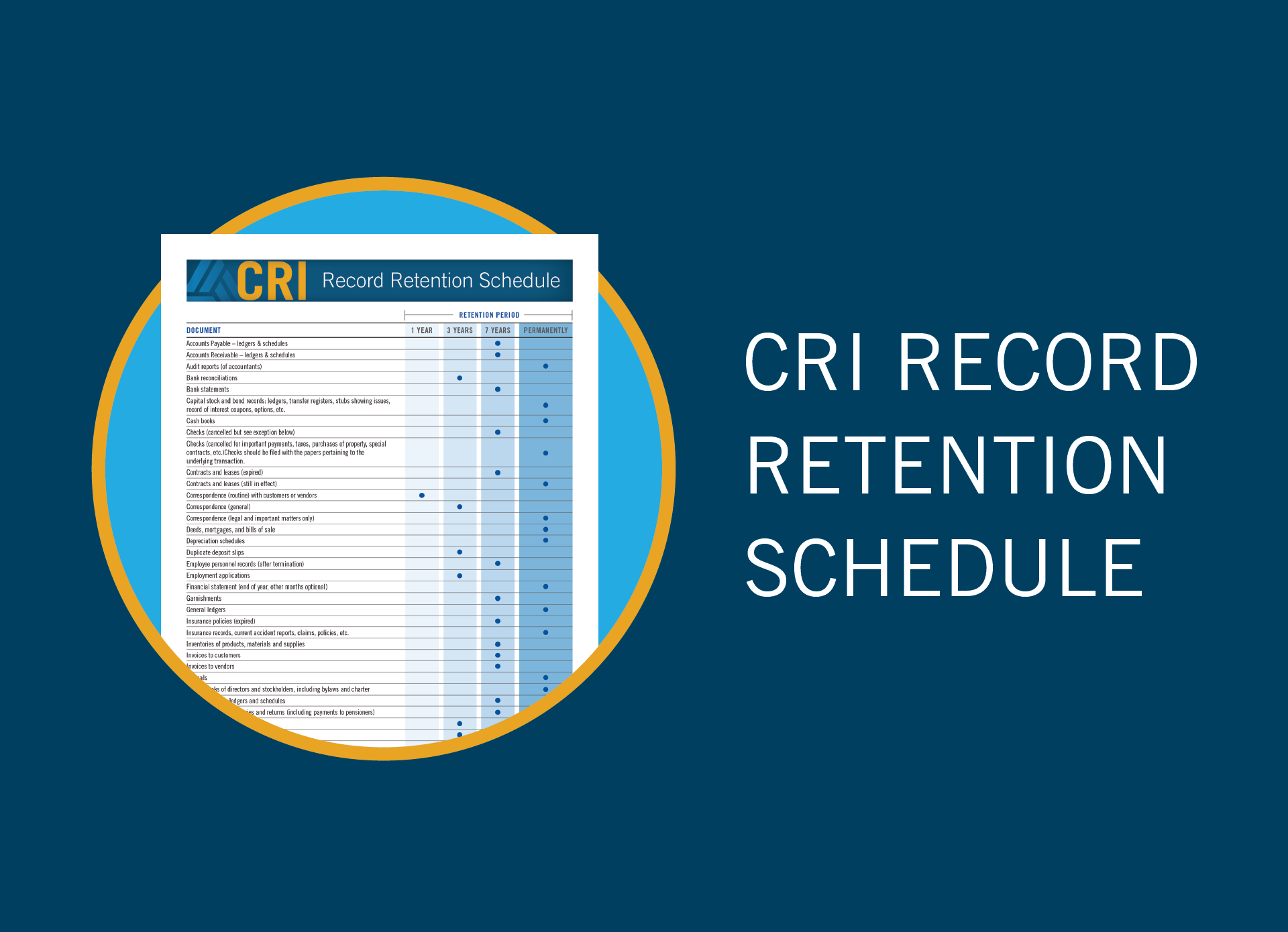
This becomes especially important when personal and business transactions flow through the same account. Maintaining organized records of income, expenses, reimbursements, and supporting documentation can help ensure accurate reporting, support deductions, and reduce the likelihood of IRS mismatch notices or unnecessary scrutiny.
Estimated Tax Payments
If your gig work is not subject to withholding, you may be required make quarterly estimated tax payments.
Alternatively, if you have W-2 wages from another job, you may be able to increase withholding using Form W-4 to cover additional tax liability from self-employment income.
Preparing for Expanded IRS Reporting
Gig work can create valuable income opportunities and flexibility, but it also comes with additional tax compliance responsibilities. While the expanded Form 1099-K reporting rules do not change the underlying tax treatment of gig income, they do increase the visibility of payment activity to the IRS.
As reporting thresholds tighten and enforcement visibility increases, maintaining accurate records and understanding your reporting obligations becomes increasingly important. Contact your CRI advisor to discuss how these rules may affect your tax situation and what steps you can take to prepare.