
How Texas SB 1851 Is Impacting Municipalities and Steps to Ensure Compliance
- Contributors
- Matthew C. Montemayor
- Ray Roberts
Jun 12, 2026
Municipal governments across Texas are facing new compliance requirements that carry significant financial implications. Texas Senate Bill 1851 (SB 1851) establishes stricter reporting deadlines and introduces meaningful consequences for municipalities that fail to meet them. As municipalities adapt to the new requirements, understanding the risks and practical steps necessary to achieve compliance is crucial.
Understanding Texas SB 1851
Under SB 1851, municipalities must file their annual financial statements, including the auditor's opinion, with the office of the municipal secretary or clerk within 180 days following the end of the fiscal year.
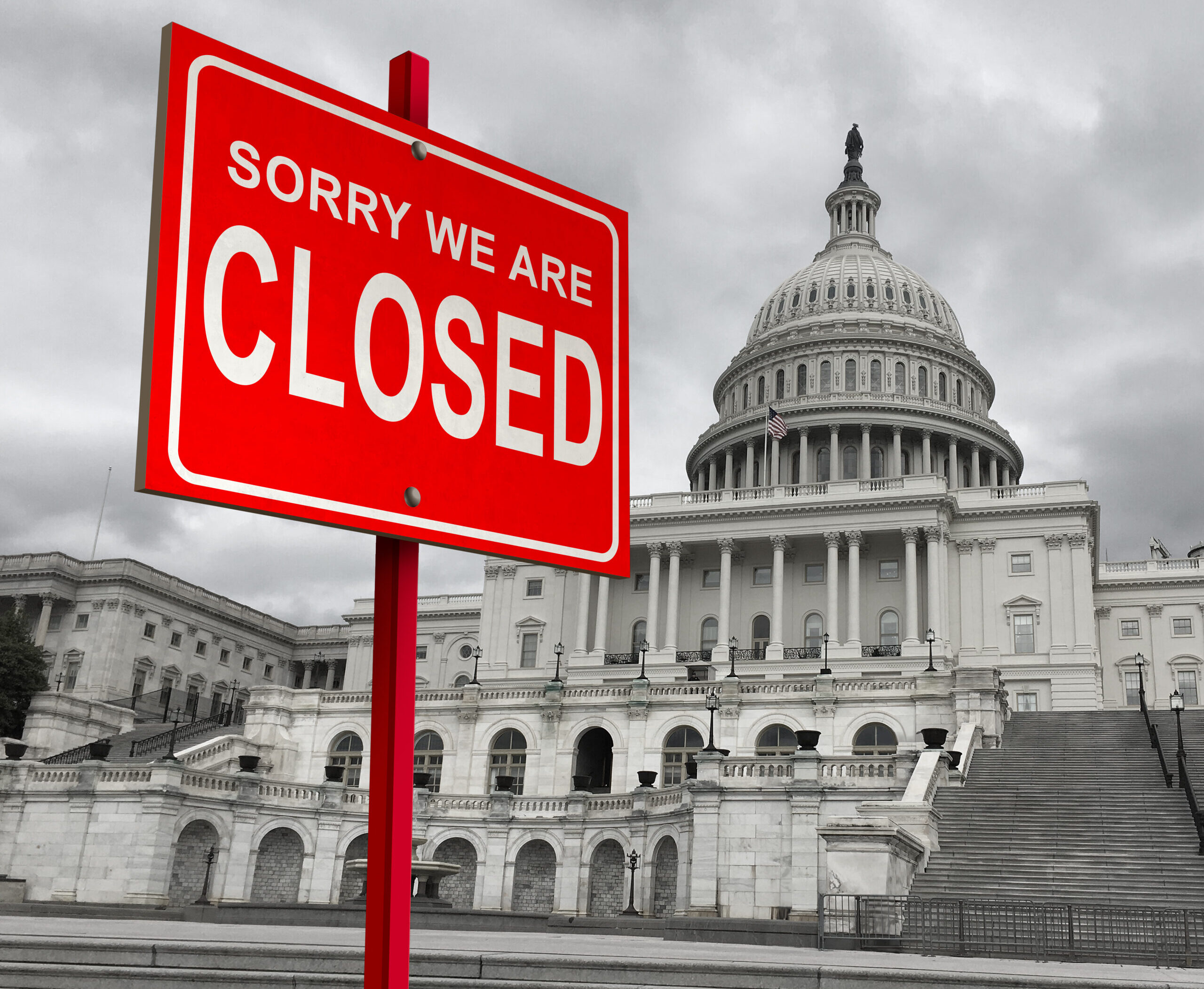
While annual audits have long been a standard component of municipal financial reporting, SB 1851 raises the stakes by attaching significant consequences to missed deadlines. If the Texas Attorney General determines that a municipality has failed to satisfy the audit and filing requirements, the municipality may be prohibited from adopting an ad valorem tax rate that exceeds the no-new-revenue tax rate until the required audit is completed and the financial statements and auditor's opinion have been filed.
Why the New Requirement Matters
The implications of SB 1851 extend far beyond the completion of audits. The inability to adopt a tax rate above the no-new-revenue threshold can limit a municipality's financial flexibility at a time when many local governments are facing increased demands for infrastructure improvements, public services, and long-term capital investments.
In addition to budgetary pressures, noncompliance can create challenges for debt planning, project funding, and broader fiscal management initiatives. Municipal leaders who previously viewed audit deadlines as administrative milestones may now need to treat them as strategic governance matters with direct implications for financial flexibility, public accountability, and long-term planning.
Meeting the 180-Day Deadline
For many municipalities, achieving compliance may be easier said than done. Staffing shortages, evolving accounting standards, and competing operational priorities continue to place pressure on finance departments. Smaller municipalities may also face challenges related to limited governmental accounting expertise, making the year-end close and audit process more complex and time-consuming.
These challenges can make meeting the 180-day reporting deadline difficult, particularly for municipalities with limited resources. However, organizations that take a proactive approach to financial reporting and year-end planning can significantly improve their ability to meet the requirement.
Successful compliance often depends on activities that occur throughout the year rather than in the months immediately following fiscal year-end. Strong internal controls, timely financial reporting, and a well-managed closing process can significantly reduce delays and help municipalities remain on track.
How CRI Can Help
Successfully meeting the requirements of SB 1851 often requires both technical accounting expertise and practical implementation support. CRI works with governmental entities to help strengthen financial reporting processes, improve efficiency, and reduce compliance risk. Our professionals can assist municipalities by:
- Supporting the implementation of new governmental accounting standards
- Evaluating financial processes and internal controls and providing practical recommendations for improvement
- Delivering governmental accounting education and guidance to finance personnel
- Assisting with year-end closing activities and audit preparation to help meet critical reporting deadlines
By combining technical accounting knowledge with practical implementation support, CRI helps municipalities navigate evolving reporting requirements while building stronger financial processes for the future. Whether organizations need assistance with accounting standards, process improvements, or audit preparation, our professionals can provide tailored guidance to help meet both immediate reporting needs and long-term financial objectives.
Preparing for What Comes Next
With the implementation of SB 1851, timely financial reporting is no longer simply a best practice—it is a critical component of maintaining compliance and preserving financial flexibility. Municipalities that proactively evaluate their financial reporting processes today will be better positioned to meet regulatory requirements, support informed decision-making, and navigate future challenges with confidence.
If you have questions about how SB 1851 may affect your municipality or would like assistance evaluating your readiness for compliance, contact your CRI advisor. Our governmental accounting professionals can help assess your current processes, identify opportunities for improvement, and develop practical strategies to support timely reporting, regulatory compliance, and continued financial success.