
The OBBBA Made Tax Planning More Complicated: What to Do Now to Prepare for Year-End
- Contributor
- Debbie Alexander
Jul 1, 2026
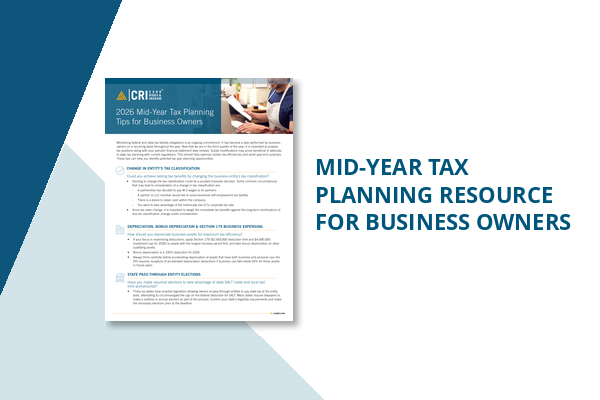
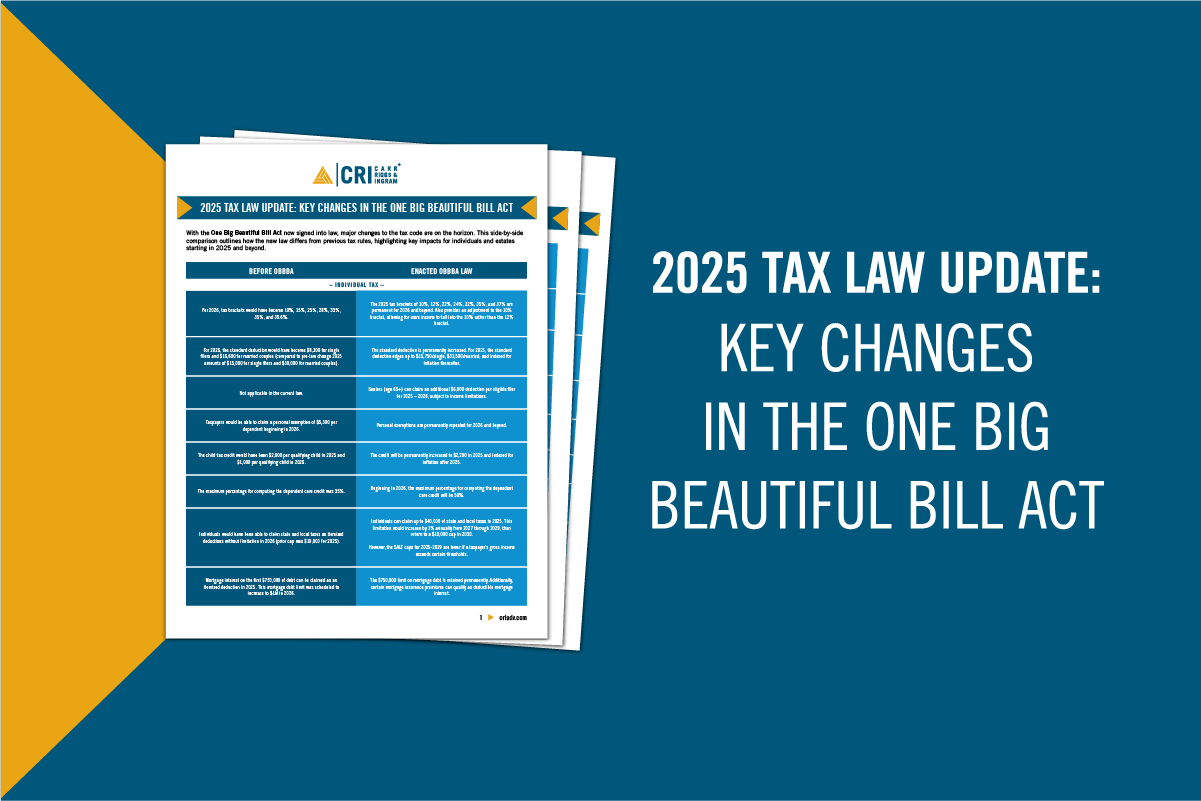
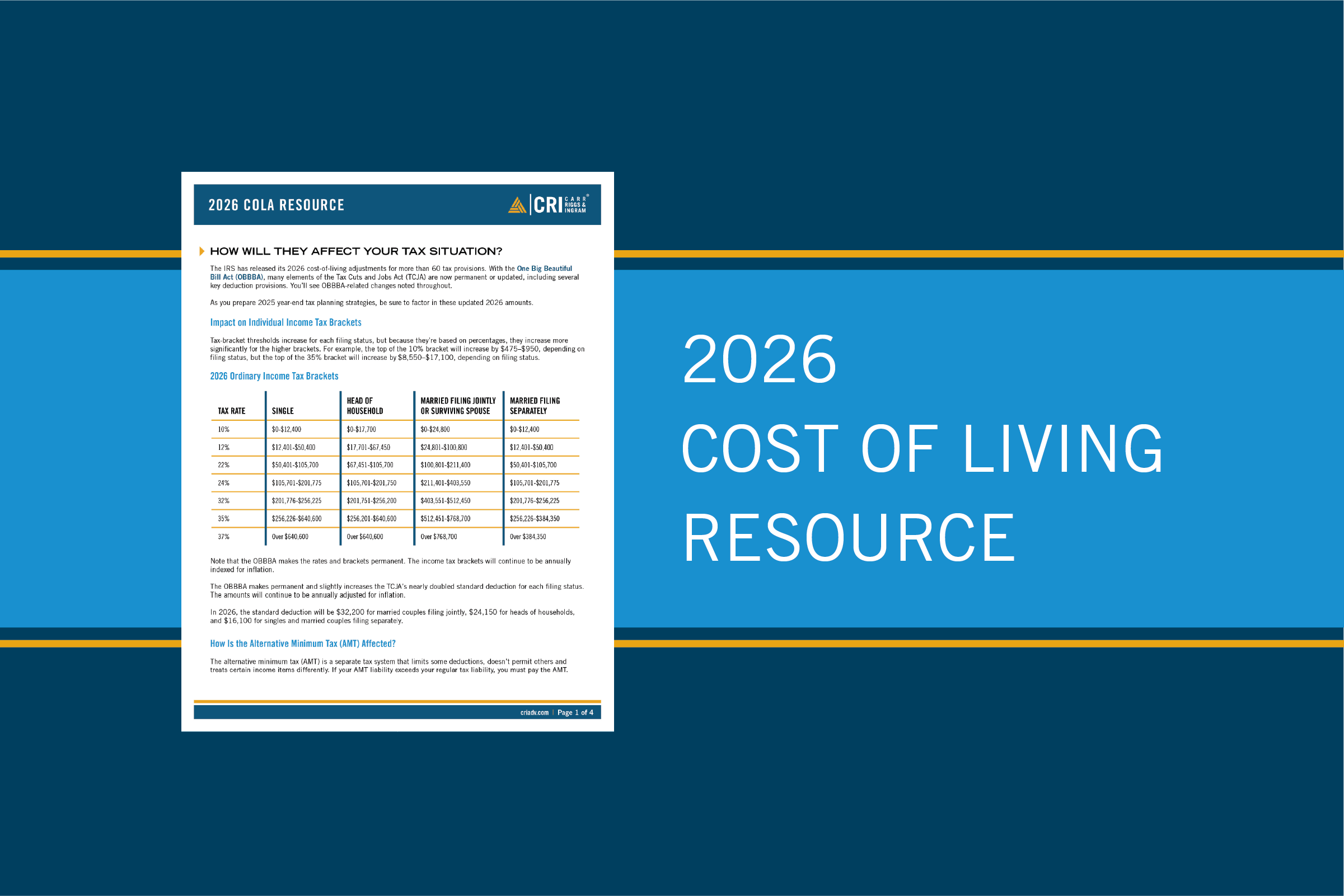
Tax planning might look a bit different this year thanks to new and updated tax laws in the One Big Beautiful Bill Act (OBBBA). The approaches you’ve used for years may no longer be serving you. Rather than waiting until December to review your strategy, performing these steps at mid-year gives you time to identify new opportunities and consider potential trade-offs before year-end deadlines are upon us.
If you’re ready to review your tax position in this post-OBBBA landscape, we recommend a two-step process:
- First, review each of the bill’s new provisions in isolation so that you know whether they apply — or could apply — to you and your business.
- Second, take a step back and evaluate your tax plan holistically.
Step One: Consider Individual Provisions
The OBBBA includes several provisions that could change tax outcomes for your business, but different provisions will matter to different organizations. Take a few moments to identify which changes may apply to you. Here are a few of the most impactful provisions for business owners to consider.
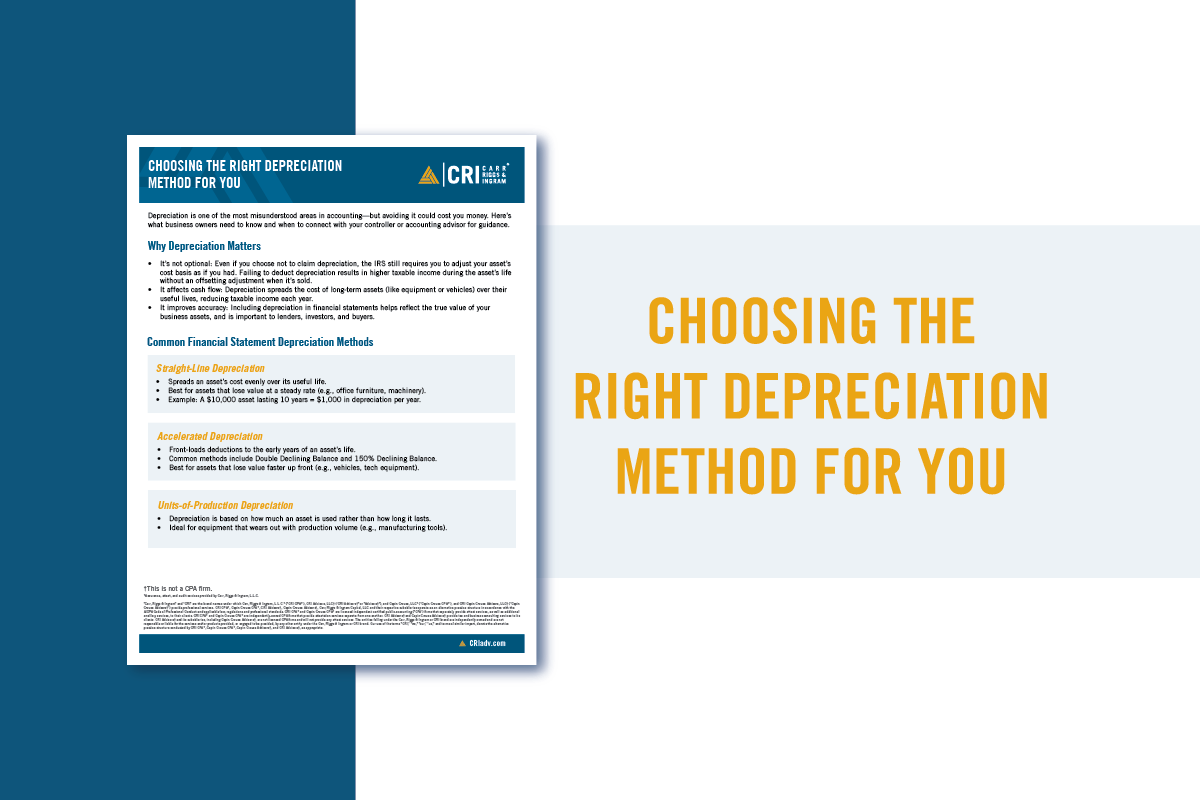
- 100% Bonus Depreciation
Bonus depreciation has been in the tax code for years, but this is the first time 100% bonus depreciation has become a permanent feature of the tax code. Because it’s here to stay, taxpayers can better plan to use capital investments (and their associated depreciation deductions) to help reduce tax liabilities. - Research & Development Expenditures
Research and development (R&D) costs previously had to be amortized over a five-year period, but starting in 2025, domestic R&D costs can be deducted in the year they were paid or incurred. This helps improve cash flow for businesses investing heavily in innovation, which makes it easier for companies to pursue a new service line, develop a new formulation, or make improvements to an existing process. - Opportunity Zones
The OBBBA permanently extended the Opportunity Zone program with new rules starting in 2027. Taxpayers who invest into an Opportunity Zone may be eligible for some or all the following: deferred gain recognition; partial gain exclusion via a step-up in basis; and tax-free appreciation on the investment. Not only that, but new zones will be identified every 10 years, providing new opportunities for tax-advantaged investments. Taxpayers who expect to report a capital gain in the next few years have time to consider if Opportunity Zone investment should be part of their long-term plan. - Qualified Small Business Stock
The OBBBA expanded the benefits under the Qualified Small Business Stock (QSBS) rules, making it easier for taxpayers to partially (or permanently) exclude gain from the sale of small business stock. The list of requirements is long, but the changes made with the OBBBA made qualifying easier, which means that it could play a part in taxpayers’ future tax plans when it hadn’t been an option before. - Business Interest Expense
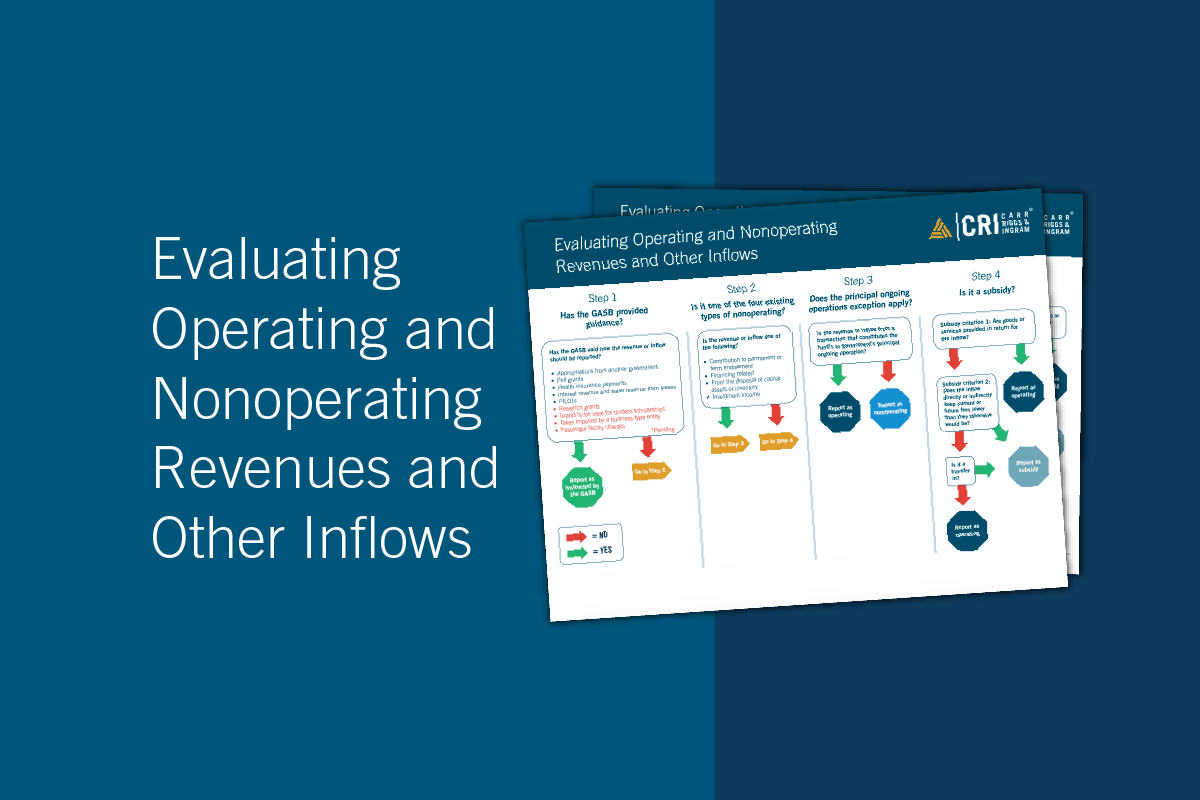
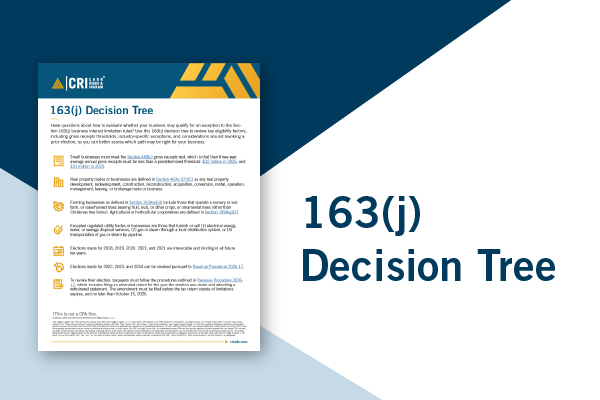
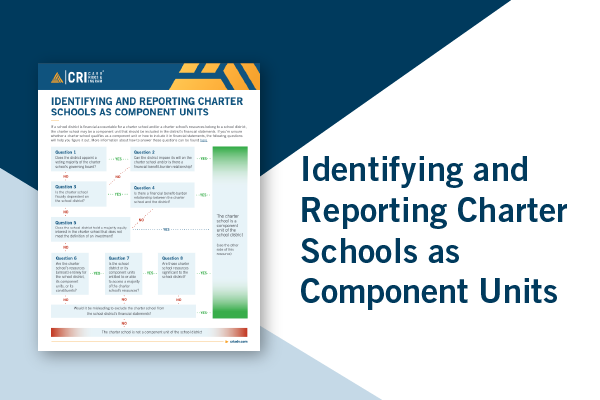
Beginning in 2025, many businesses will be able to deduct more business interest expense than they had in years past thanks to the OBBBA’s changes to Section 163(j). For businesses that rely on debt financing, this change can greatly improve cash flow and reduce the after-tax cost of borrowing. Review this flow chart if you want to see if you’re subject to Section 163(j) limitations.
Step Two: Review Selections Holistically
Once you’ve considered individual tax stances you’d like to take, take a step back and look at them as part of a broader tax strategy. Do they align with one another, or do they compete? Is there opportunity to combine strategies for a greater overall benefit? Here are a few questions that can help you see the bigger picture.
Does your entity structure still serve you?
Entity structure is the very first strategic decision you ever made for your business. When was the last time you revisited that decision?
The tax and economic landscapes have changed, so it’s crucial to look at your entity selection with a fresh set of eyes every few years to ensure it still aligns with your business goals and personal objectives. In some situations — like this scenario we explored in detail — recent legislation may make alternative entity structures more attractive.
Have you reviewed existing tax elections?
While it’s important to review new tax laws, it’s also important to revisit existing tax elections and tax strategies. The best outcomes often come from coordinating multiple provisions rather than optimizing each one independently.
Consider R&D as an example. Did you know that you can take both the credit and the deduction? Your CRI tax advisor can help you determine how to use both.
Should you change the timing of planned capital expenditures?
In the past, scheduled phase-outs of accelerated depreciation created uncertainty around the timing of equipment purchases. But now that 100% bonus depreciation is back and here to stay, it may be a good time to revisit your capital expenditure plans. Consider whether planned purchases should be accelerated, delayed, or spread across multiple years to better align depreciation deductions with anticipated taxable income.
Should your financing strategies change?
If your business relies on debt financing, take a second look at your assumptions around the cost of debt. Interest rates have generally increased since the COVID-19 pandemic, but new tax laws (like the changes to the deductibility of business interest) may make the after-tax cost of debt cheaper. Both factors could influence how you choose to finance future growth.
Have you updated financial models?
Financial models should be updated every single year, without question. And performing this task mid-year might serve you even better than waiting until year-end. Doing so now gives you ample time to implement changes. If, for example, your projections show that you’re likely to have a larger-than-expected tax bill, you’ll have time to build up your cash reserves before tax season is upon us.
Have you documented your chosen strategy?
Tax planning is an ongoing process, not a one-time exercise. As you make planning decisions, document the assumptions behind them, the rationale for your choices, and the outcomes you hope to achieve. Share that information with key stakeholders — and with your tax advisor. A mid-year review with your advisor can help confirm you’ve considered all relevant opportunities and risks. If adjustments are needed, you’ll still have time to change your strategy before year-end.
Get Ahead of the Curve and Start Your Review Now
The OBBBA has introduced a variety of new opportunities to limit your tax exposure, but they’re only going to benefit you if you sit down and consider your options. Don’t wait until the fourth quarter to decide. Mid-year planning gives you time to consider new opportunities and implement the solutions that make sense. By addressing these issues now, your year-end can be focused less on taxes and more on other business priorities that matter most to you.
Make Mid-Year Planning Count Before Year-End Pressure Builds
The OBBBA has created new planning opportunities, but it has also made tax strategy more connected and complex. A mid-year review gives you time to evaluate deductions, elections, entity structure, financing, and financial modeling together rather than waiting until year-end decisions become more limited.
By reviewing your tax position now, you can adjust your strategy, prepare for potential tax impacts, and move into the final months of the year with greater clarity. Contact your CRI advisor to discuss how the OBBBA may affect your tax planning strategy and what steps you should consider before year-end.