
How Contractors Can Bridge the Age Gap and Plan for the Future
- Contributor
- Dan Sellers
Jun 24, 2026
The construction industry is at a turning point. As experienced owners and skilled workers approach retirement, contractors are navigating challenges, including managing workforce shortages, leadership transitions, and increasing pressure to maintain long-term stability. As such, bridging generational gaps is no longer a future concern. It is a current business challenge with real implications for operations, profitability, bonding capacity, and succession outcomes.
Recognizing how workforce dynamics intersect with transition planning and tax strategy can help contractors move beyond short-term fixes and toward sustainable continuity and growth.
The Growing Importance of Transition and Succession Planning
Transition and succession planning remain among the most complex challenges construction business owners face. Too often, planning is delayed until a triggering event forces action, leaving limited time to prepare future leaders or structure an orderly ownership transfer.
Succession inherently introduces disruption. Owners must continue running the business while mentoring successors, transferring institutional knowledge, and gradually sharing authority. Identifying capable future decision-makers can be difficult, especially in a competitive labor environment. Family members or key employees may lack interest or financial capacity, and owners frequently struggle to adapt established leadership styles to meet the expectations of younger generations.
Additional risk arises when senior owners hold key relationships with customers, vendors, and subcontractors. Sureties also expect documented transition plans and may require revised indemnification structures as ownership evolves. Without careful planning, equity changes and working capital constraints can strain the business during transition.
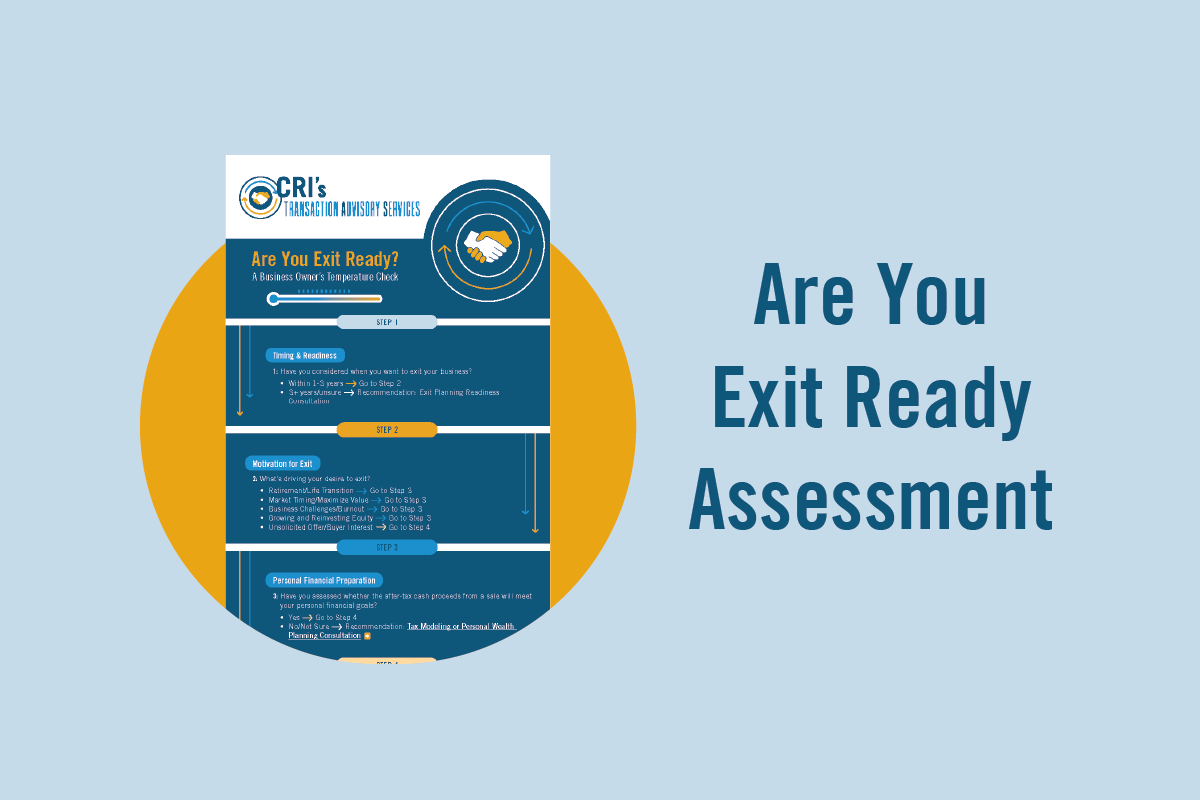
Starting early allows owners to evaluate multiple strategies, including partial sales, internal ownership transfers, gifting, recapitalizations, ESOPs, or third-party transactions. Each option carries tax, financial, and operational consequences that are best addressed well before a transition becomes urgent.
What Is Happening to the Construction Workforce
Today’s construction workforce spans five generations working side by side. As Silent Generation and Baby Boomer workers exit the workforce, decades of technical expertise and leadership experience leave with them. Approximately 11,500 individuals reach retirement age each day, and over the next decade, millions more are expected to follow.
Younger generations are reshaping workforce expectations. Generation X helped normalize work-life balance, while Millennials and Generation Z bring strong technical adaptability, digital fluency, and a preference for flexibility, security, and purpose-driven work. They are also more willing to change roles, industries, or employers when expectations are not met.
Although construction unemployment remains relatively low, labor availability continues to tighten. Many of the industry’s most skilled workers are among its oldest, and replacing them requires more intentional strategies than traditional recruiting alone.
Finding and Developing the Next Generation of Workers
Demographic trends make it clear that Generation X alone cannot replace retiring Baby Boomers. As a result, engaging Millennials and Generation Z has become critical for contractors focused on long-term continuity.
Successful firms are rethinking how they attract talent. Technology-driven recruiting platforms, simplified hiring processes, and timely communication matter to younger candidates. Company culture, community involvement, and employer reputation increasingly influence decisions, particularly when amplified through digital channels.
Contractors are also expanding their talent pipelines through veterans’ programs, second-chance initiatives, trade association training, and outreach to individuals who did not pursue traditional college paths, providing access to motivated workers seeking long-term careers in the industry.
Retention Strategies That Support Stability
Attracting talent is only the first step. Retention depends on employee experience, including meaningful work, competitive compensation, flexibility, advancement opportunities, safety, and leadership quality. Younger workers expect transparency, regular feedback, and opportunities to contribute ideas and take on greater responsibility.
Contractors seeing success are investing in mentoring programs that transfer knowledge while empowering employees. Reducing unnecessary bureaucracy, emphasizing performance over tenure, and supporting work-life balance can significantly reduce turnover. Organizations that adapt to generational differences, rather than resist them, are better positioned to maintain productivity without sacrificing standards.
Tax Planning Considerations Under the One Big Beautiful Bill Act
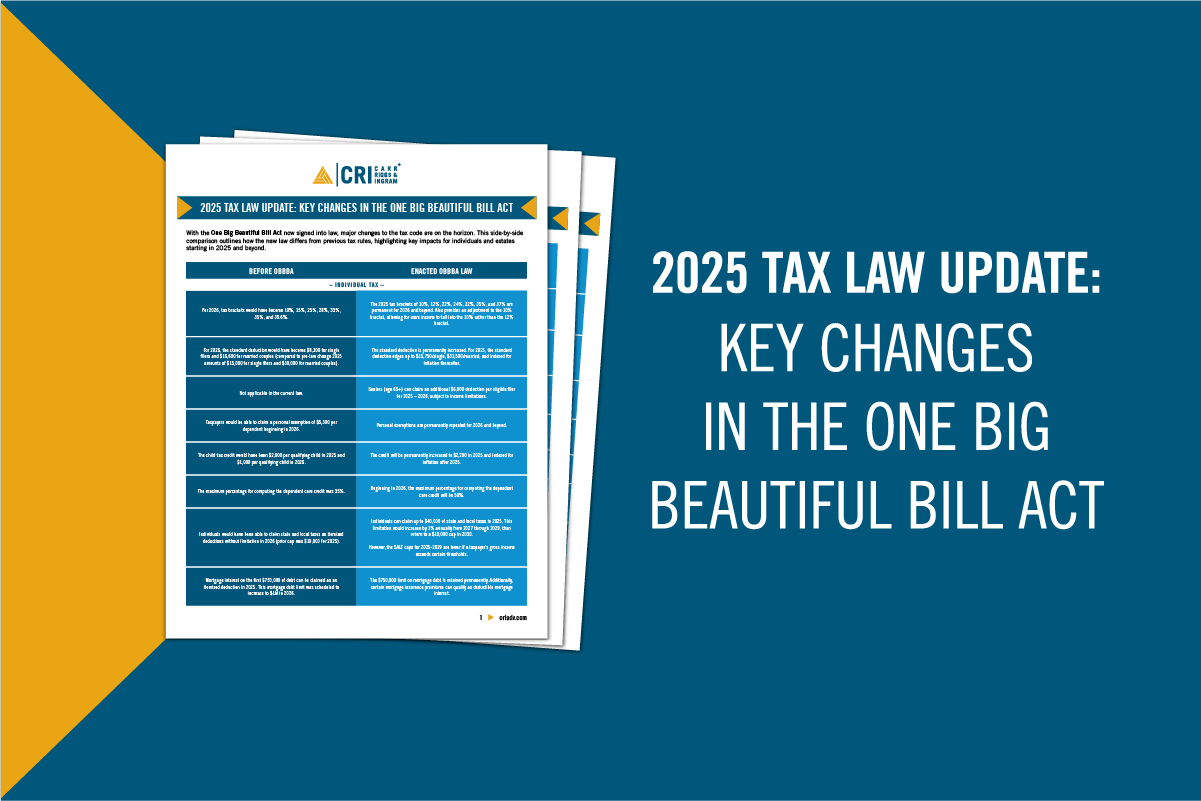
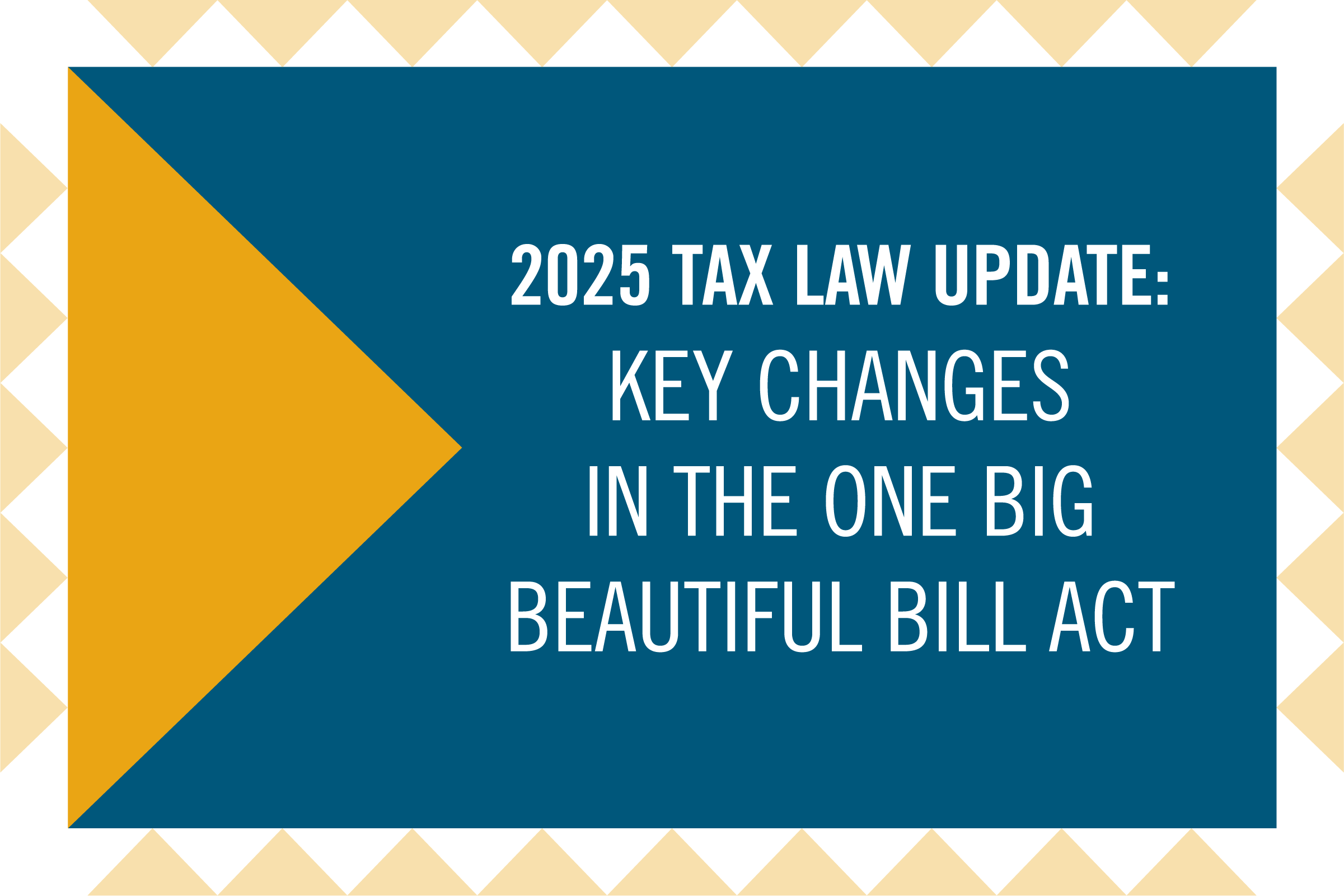
Recent tax changes under the One Big Beautiful Bill Act introduce planning opportunities that contractors should evaluate alongside workforce and transition strategies. Several provisions may directly affect capital investment decisions, cash flow, and long-term planning, including:
- Permanent restoration of 100% bonus depreciation, allowing immediate expensing of qualifying assets placed in service after January 19, 2025
- Increased Section 179 limits, expanding first-year deductions for small and mid-sized businesses
- Phaseout of Section 179D energy-efficient building deductions, with limited remaining windows for qualifying projects
Additional changes further influence tax planning, including the permanent extension of the Qualified Business Income deduction, revised business interest limitation calculations based on EBITDA, expanded pass-through entity tax elections at the state level, and favorable treatment for domestic research and experimental expenditures.
When coordinated with capital investment, leadership transition, and workforce development efforts, these provisions can help strengthen cash flow, reduce tax exposure, and improve financial flexibility during periods of change.
Moving Forward with Intentional Planning
Managing generational change in construction requires more than hiring solutions alone. It calls for coordinated planning across leadership development, ownership transition, workforce strategy, and tax optimization. Contractors who take a proactive approach are better positioned to preserve value, maintain bonding capacity, and ensure continuity across generations.
If you have questions about succession planning, workforce strategy, or how recent tax changes may affect your construction business, contact your CRI advisor. Thoughtful planning today can help position your organization for long-term stability, growth, and confidence in the future.