
New Opportunities Zone Rules Coming in 2027: Should You Invest Now or Later?
- Contributor
- Todd Giustiniano
May 25, 2026
The federal Opportunity Zone program isn’t expiring, but it is changing.
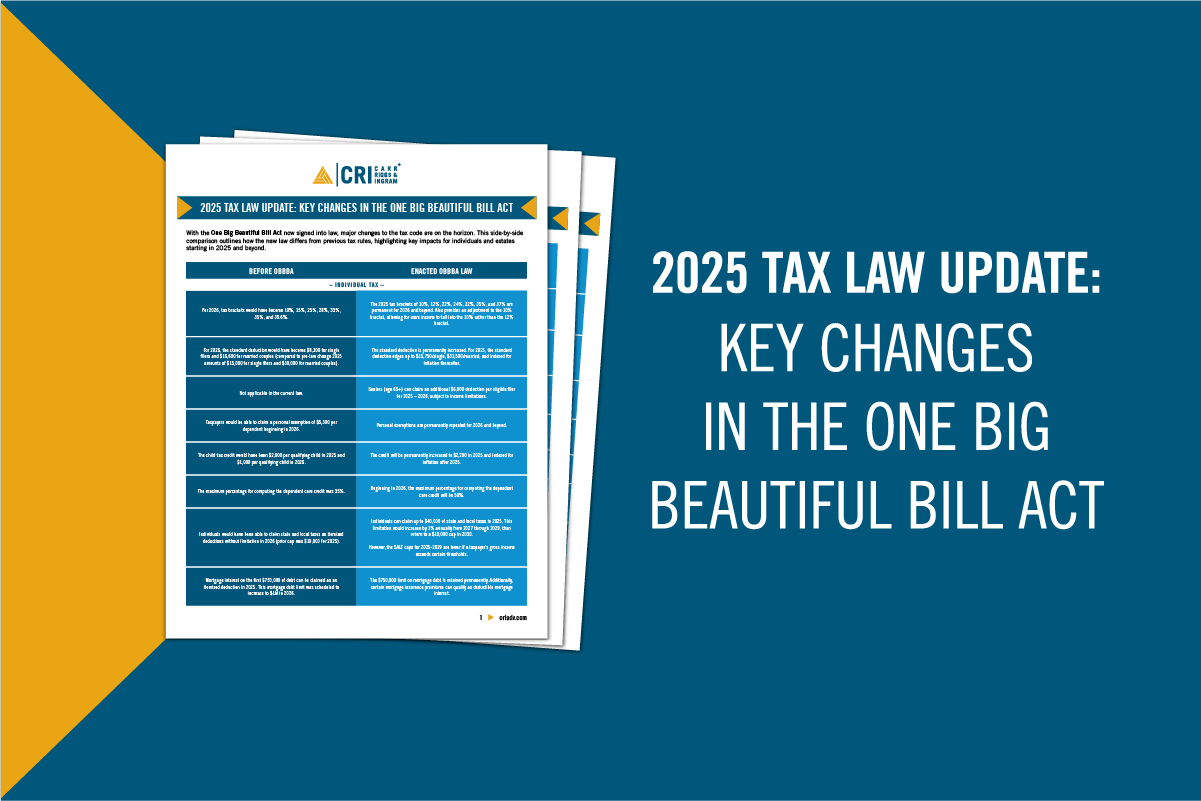
The One Big Beautiful Bill Act (OBBBA) lifted the original sunset date, effectively making the program a permanent part of the tax code. It also rewrote key aspects of the program — like how long gains are deferred, and how zones are designated — but these changes don’t take effect until 2027.
Let’s learn what’s changing next year so that you can determine if it’s smarter to invest now, or if it makes more sense to wait until 2027 when the updated rules are in place.
Brief History of Opportunity Zones
Opportunity Zones aren’t a new concept. Since the 1980s, many states have offered similar programs. They had different names — Opportunity Zones, Enterprise Zones, Revitalization Zones, Empowerment Zones — but they all did the same thing: they used tax incentives to spur investment into specific communities, typically those that face economic hardship.
The Tax Cuts and Jobs Act (TCJA) created the first federal Opportunity Zone (OZ), and the first incentivized investments were made in 2018. It was initially set to expire at the end of 2026, but the OBBBA made the program permanent.
How do Opportunity Zones Work?
The original Opportunity Zone program offered three main incentives to qualified investors:
Gain Deferral
When investors sold property — stock, a business, real estate, artwork, and other capital assets — they could defer those gains under the Opportunity Zone program if they reinvested them into a Qualified Opportunity Fund (QOF). A QOF is an investment vehicle specifically created to invest in OZ property or businesses. As the law was initially written, gains could be deferred until the (1) the date the investor pulled their investment from the QOF, or (2) December 31, 2026 — whichever came first. This meant that under the old program rules, the absolute latest an investor could defer gains was until December 31, 2026.
Step-Up in Basis
Early investors could also receive a step-up in basis — effectively eliminating between 10% and 15% of their original gain — if they held their investment for at least five years. But this was only available for investments made in 2018, 2019, 2020, and 2021.
Gain Exclusion
And lastly, taxpayers who held their investments for at least 10 years can elect to step up their basis to fair market value when they sell, which means that all post-investment appreciation — i.e., all appreciation that occurred while their funds were held in the QOF — is tax-free.
What’s Changing about the Opportunity Zone Program?
While the original program’s rules end this year, the OBBBA effectively created a new Opportunity Zone program starting in 2027 — “OZ Program 2.0” — that never expires. Here are some of the major changes:
Rolling Gain Deferral
Investments made in 2027 or later will be subject to a rolling deferral model, letting investors defer gain recognition for up to five years. So for example, if you invest in:
- 2028, you can defer until 2033
- 2031, you can defer until 2036
- 2035, you can defer until 2040—
—or until you pull your investment from the fund, whichever comes first.
Step-Up in Basis
Under OZ Program 2.0, taxpayers may once again receive a step-up in basis. Taxpayers receive a 10% step-up in basis if they hold their investment for at least five years, or 30% if their QOF is a Qualified Rural Opportunity Fund (QROF). This effectively eliminates a portion of the original gain.
Gain Exclusion
The same gain exclusion opportunity exists in OZ Program 2.0 as under the prior rules: If you hold your investment for at least 10 years, you can elect to step up your basis to fair market value when you sell it, so that your post-investment appreciation is excluded from gain recognition.
New Zones
New Opportunity Zones will go into effect January 1, 2027 and will survive for the next ten years. At the end of that 10-year period, new zones will be identified, and the process will repeat itself.
OZ Eligibility
Under both the original program rules and OZ Program 2.0, Opportunity Zones must be in census tracts that meet certain income and poverty criteria. The OBBBA tightens these criteria, making it more difficult to qualify a tract of land for the OZ program starting in 2027.
Should you invest in Opportunity Zones in 2026 or wait until 2027?
Although there will always be exceptions, the general rule of thumb is that the new Opportunity Zone program under the OBBBA is more attractive than the TCJA-era program. To prove our point, let’s see how the same investment would be treated in 2026 (under the TCJA) and in 2027 (under the OBBBA).
2026 Example
You sell real estate in July 2026 and realize a gain of $200,000. You immediately invest that $200,000 into a QOF. Under the TCJA-era rules, you can only defer your gain until the end of 2026. When you file your 2026 tax return, you’ll have to pay tax on the full $200,000 gain. You weren’t eligible for any step-up in basis since that opportunity expired in 2021, and you haven’t yet held the investment for 10 years, so you don’t get to exclude any gain on appreciation (although you could benefit from this provision in the future).
Now let’s look at the same facts just one year later.
2027 Example
You sell real estate in July 2027 and realize a gain of $200,000. You immediately invest that $200,000 into a QOF. Under the new OBBBA rules, you can defer that gain for up to five years. At that time, your original gain becomes taxable — whether you sell your investment or not — but because you held the investment for five years, you’ll receive a step-up in basis, eliminating 10% of your original gain (or 30% if your investment is in a QROF). If you hold your investment for another five years — 10 years total — you’ll be able to elect to step up the basis of your QOF investment to fair market value when you sell it, effectively excluding any post-investment appreciation from tax.
Which is Better?
Let’s summarize what we just learned:
- If you invest in 2026, the best you can get is to exclude gain on QOF appreciation — 10+ years into the future.
- If you invest in 2027, the full suite of benefits includes:
(1) Defer gain recognition on the original gain for 5 years
(2) Exclude 10–30% of your original gain
(3) Exclude all gain on appreciation that occurred within in the QOF
It’s clear that investing in a QOF in 2027 produces more tax savings than investing in a QOF in 2026.
However…
There may be some unique situations where investing in a QOF makes sense. For example, Opportunity Zone investment in 2026 might make sense if you have losses to harvest. Your gain can offset losses on your 2026 return, and you still have the opportunity to exclude gain on future appreciation if you hold the investment for 10+ years.
But truthfully, most taxpayers have incentive to defer the sale of capital property until 2027, at which time they can reinvest those gains into a QOF under OZ Program 2.0.
Plan Ahead for What Comes Next
With significant Opportunity Zone changes approaching, now is a good time to revisit how these updated rules may affect your investment, tax, and exit planning decisions. Whether you are considering a sale in 2026, planning to defer gains until 2027, or evaluating whether a Qualified Opportunity Fund aligns with your broader strategy, a thoughtful review can help you move forward with greater clarity. Contact your CRI advisor to discuss your specific situation and determine the approach that best supports your goals. Taking action now can help you better position yourself for the changing Opportunity Zone landscape.