Rural Health Transformation Is More Than a Grant Program—It’s a Test of Your Strategy
- Contributor
- Jose R. Aponte III
Aug 10, 2026
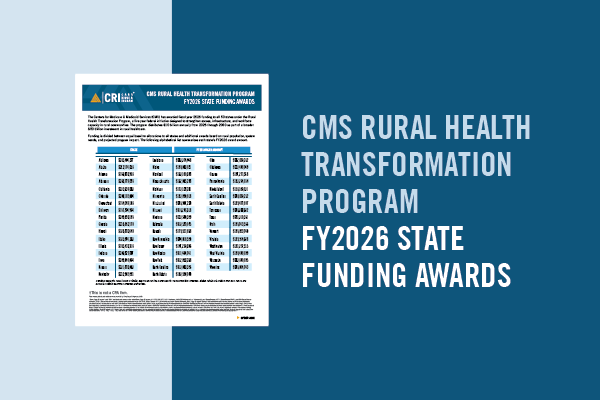
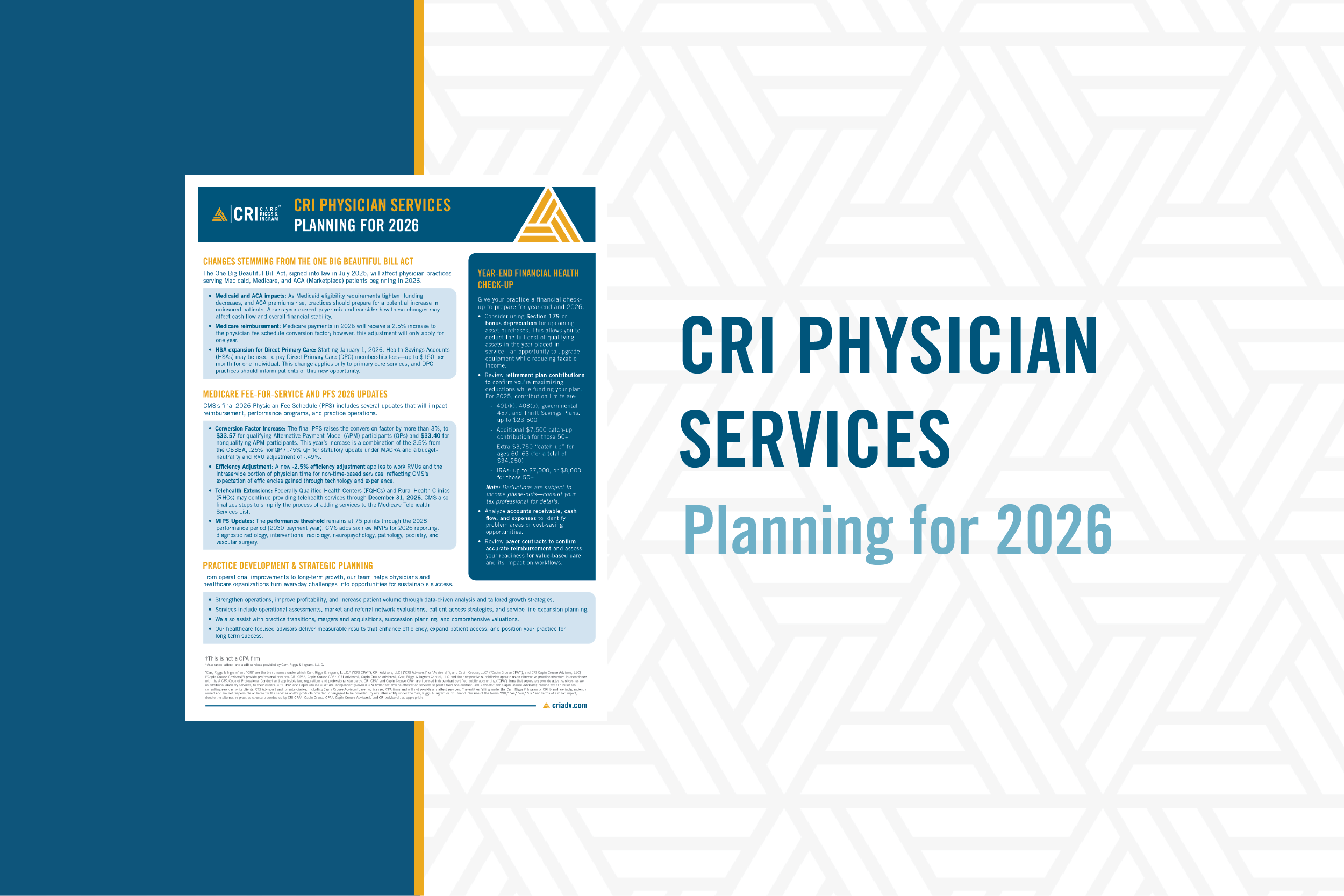
With $50 billion in federal funding over five years, the Rural Health Transformation Program represents one of the largest federal investments in rural healthcare in decades. It is understandable that organizations are focused on how to position themselves for this opportunity.
But leaders who view the program primarily as a grant competition risk missing its broader significance.
The Rural Health Transformation Program wasn’t created simply to distribute funding. It was created because policymakers recognize that many rural healthcare organizations face mounting financial pressure as Medicaid reimbursement declines, workforce shortages persist, and patient expectations continue to evolve.
The goal is not merely to help hospitals survive the next funding cycle. It is to redesign how healthcare is delivered so rural healthcare can remain financially sustainable for years to come.
The organizations that emerge strongest over the next five years won’t necessarily be those that receive the largest grants. They’ll be the organizations that use this moment to rethink their care models, strengthen partnerships, and build organizations capable of thriving regardless of how federal dollars are ultimately distributed.
The Funding Is New. The Challenges Are Not.
The financial and operational pressures facing rural healthcare — physician shortages, aging infrastructure, a patient population that relies heavily on Medicaid — have been building for years.
The Rural Health Transformation Program was designed to help rural providers rethink how healthcare can be delivered more efficiently and sustainably before those pressures undermine long-term financial sustainability.
Grant funding should support transformation, not define it.
If leadership teams begin with the question, “How do we win funding?” they may build projects around this year’s grant requirements.
A different question — “What must our organization become over the next five years?” — leads to a roadmap that will remain valuable regardless of how funding priorities evolve.
Building a Better Ecosystem
Federal funding programs are inherently competitive, and organizations with deeper pockets have the advantage.
Large health systems often have dedicated grant writers, government affairs teams, project managers, and planning resources that many rural hospitals simply don’t possess.
But focusing only on who wins or loses funding overlooks a much more important reality.
Healthcare is an interconnected ecosystem, and the relationship between health organizations is inherently symbiotic.
If rural providers close or reduce services, patients don’t disappear — they seek care elsewhere, often through already crowded emergency departments at larger health systems. That shifts more low-reimbursement patients into facilities that are designed to provide higher-acuity specialty care, creating operational and financial strain across the entire region.
When rural providers remain financially viable, the broader healthcare ecosystem is better positioned to deliver the right care in the right setting. Rural providers help keep patients healthy close to home, manage chronic conditions earlier, and reserve tertiary care centers for the patients who truly need advanced services.
In many markets, rural hospitals already have physician-sharing arrangements, electronic health record integration, workforce development initiatives, educational partnerships, and management support agreements with other healthcare organizations. These types of relationships allow rural providers to expand capabilities they might struggle to build independently while giving regional systems stronger local partners throughout their service area.
Those conversations should begin long before grant applications are due.
Strategy Should Drive Projects—Not the Other Way Around
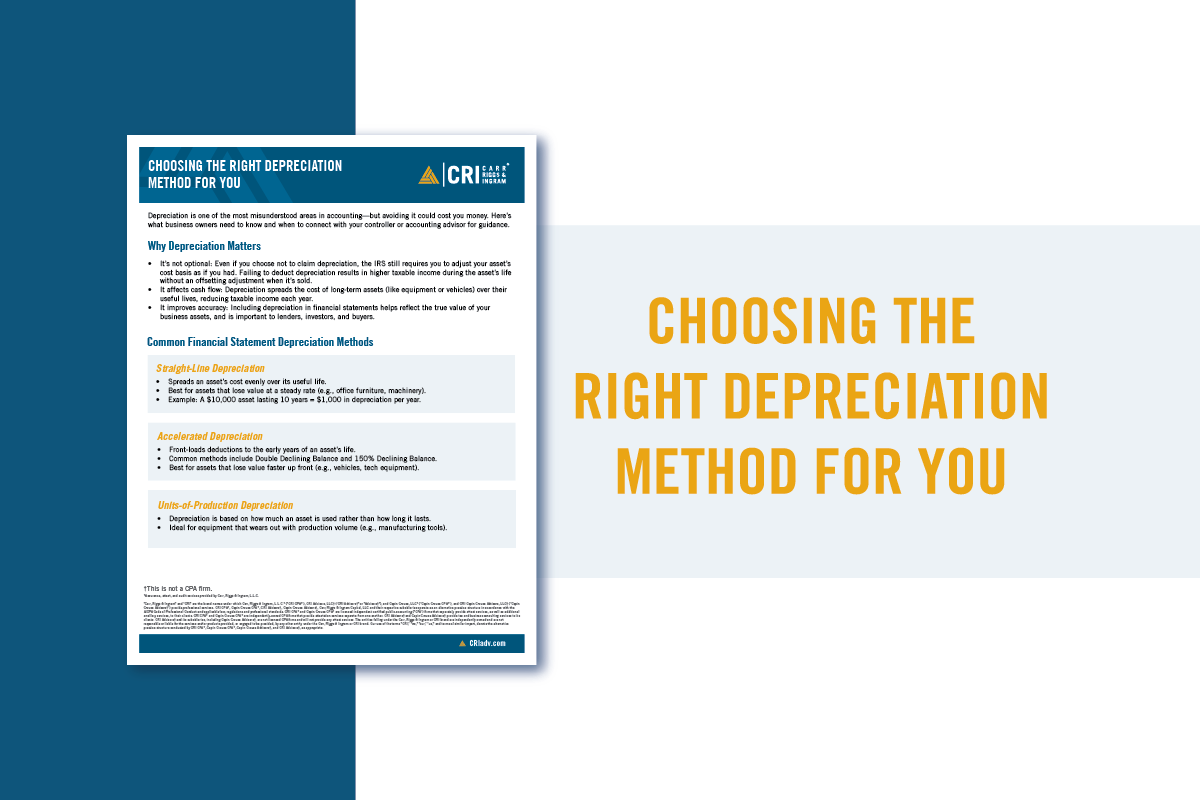
If transformation is the objective, then strategic planning must come before project selection. Achieving long-term financial sustainability begins with a vision:
- What should your organization look like three to five years from now?
- How many patients should you be able to serve?
- What clinical capabilities will you need?
- What technologies must become standard?
- How many providers and what specialties will be required to support that vision?
Only after defining that future can you evaluate current capacity and the barriers that prevent you from reaching those goals.
For one organization, the barrier may be physician recruitment. For another, it may be broadband access that limits telehealth adoption. For another, it may be outdated technology that prevents providers from sharing patient information effectively.
Once those barriers become clear, organizations can begin designing projects that directly remove them.
That’s very different from asking, “What projects might qualify for funding?”
Build a Portfolio—Not a Single Proposal
That strategic planning process should also account for uncertainty.
While CMS established broad objectives, each state determines how funds will ultimately be distributed and what outcomes receive priority. Those priorities can change as implementation progresses.
Organizations that wait until guidance changes before developing projects will always be reacting.
A stronger strategy is to develop a portfolio of initiatives aligned with your long-term vision before they’re needed.
Rather than preparing one grant application, prepare many project concepts that address different strategic priorities — workforce development, telehealth expansion, physician recruitment, digital infrastructure, care coordination, patient engagement, or technology modernization.
As state priorities shift, your organization can quickly refine the projects that best align with current funding opportunities instead of starting from scratch.
Agility becomes a competitive advantage.
One Example: Telehealth Isn’t Just About Technology
Consider telehealth.
Many organizations identify telehealth as a strategic priority, but successful implementation involves much more than purchasing software.
Patients need reliable broadband access. Providers must have sufficient capacity to conduct virtual visits. Remote monitoring equipment may be required to collect blood pressure, heart rate, or other clinical information outside traditional office visits.
Organizations may even need physician-sharing agreements or partnerships with outside provider groups if local staffing cannot support increased patient demand.
Viewed individually, each of these investments solves a specific operational challenge. Viewed together, they represent a coordinated strategy for improving access, strengthening financial sustainability, and reducing unnecessary acute care utilization.
Transformation Doesn’t End When Funding Is Awarded
Winning a grant is only one milestone.
Recipients must continue demonstrating compliance with program requirements throughout the grant life cycle through completion of the project(s). Failure to meet reporting, documentation, or performance expectations can put funding at risk.
For many rural hospitals, that may be one of the greatest challenges.
Most simply don’t have dedicated staff available to continuously monitor changing state priorities, manage complex compliance requirements, and oversee grant administration while also running day-to-day operations.
That’s why outside advisors can play an important role—not only in developing strategic plans and preparing funding applications, but throughout the entire lifecycle of an award.
Prepare for What’s Next
The Rural Health Transformation Program offers an unprecedented opportunity.
It may ultimately be remembered less for the dollars it distributed than for the strategic conversations it compelled healthcare leaders to have. Organizations that use this moment to clarify their vision, strengthen partnerships, and build sustainable operating models will be better positioned — not only for this funding cycle, but for whatever comes next.
Contact your CRI healthcare advisor for strategic guidance throughout your transformation journey.