
Are Your Personal Financial Records Ready for an Emergency?
- Contributors
- J.P. Tujague
- Lauren N Fertig
Sep 2, 2026
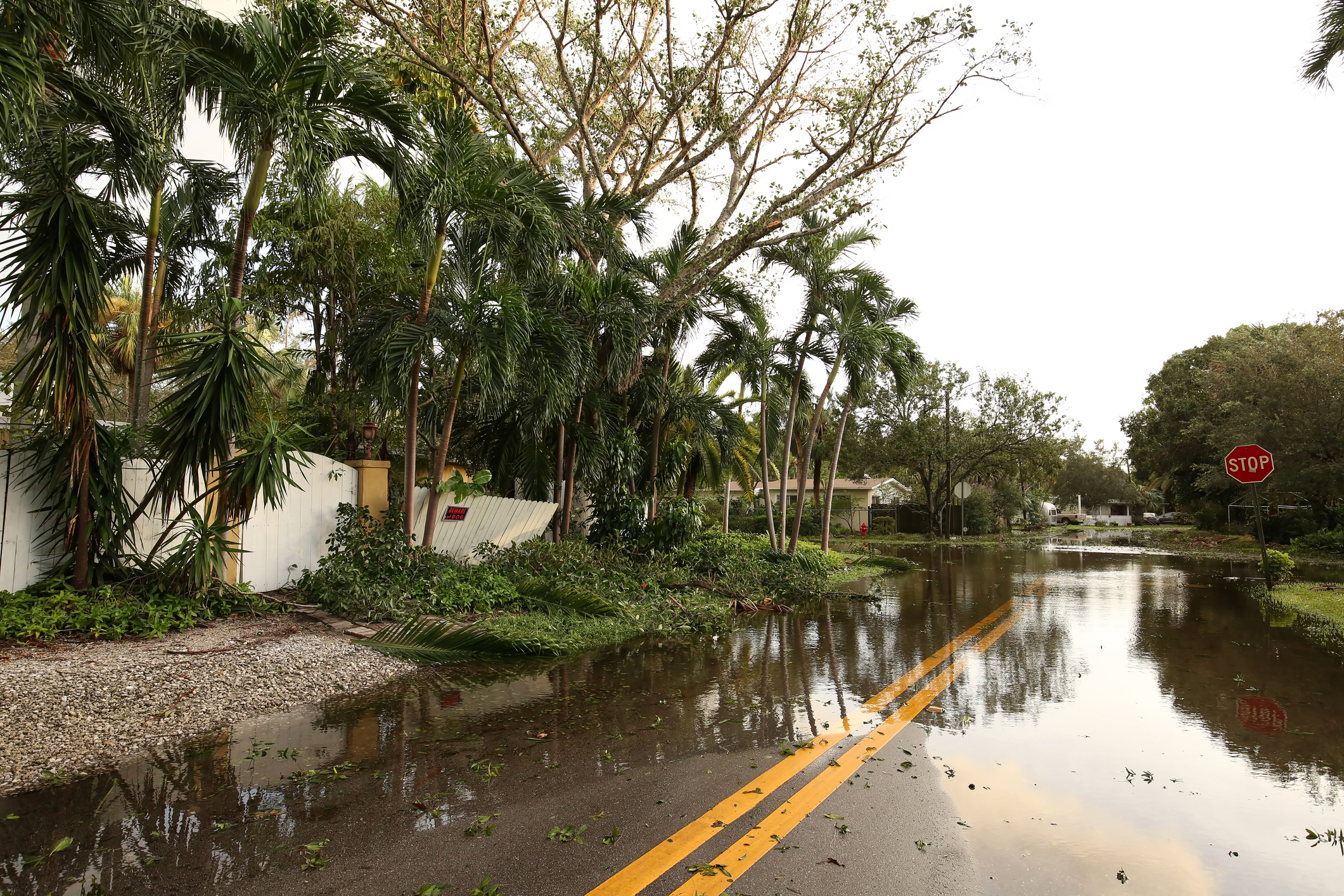
Emergencies can disrupt everyday life with little warning, including access to important financial information. A severe storm, fire, flood, evacuation, or extended power outage can quickly make records that are easy to access under normal circumstances much harder to retrieve.
When preparing for an emergency, most people understandably think first about food, water, medications, and a safe place to go. Financial records may not be at the top of the list, but they can become critical for accessing money, filing insurance claims, applying for assistance, and beginning the recovery process.
Create a Financial Emergency File
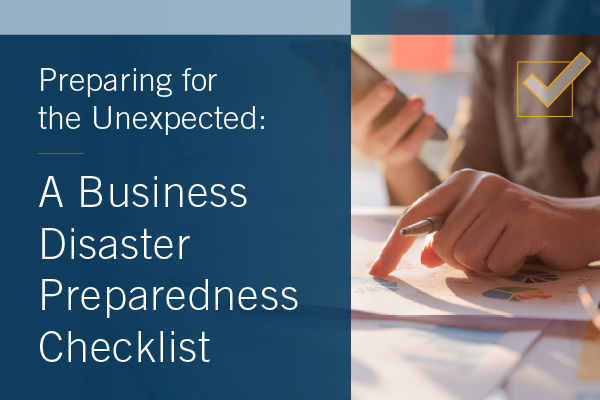
Following guidance from the Consumer Financial Protection Bureau (CFPB), start by gathering the records you would need to prove your identity, access your accounts, contact financial institutions, and replace damaged or missing property. This may include:
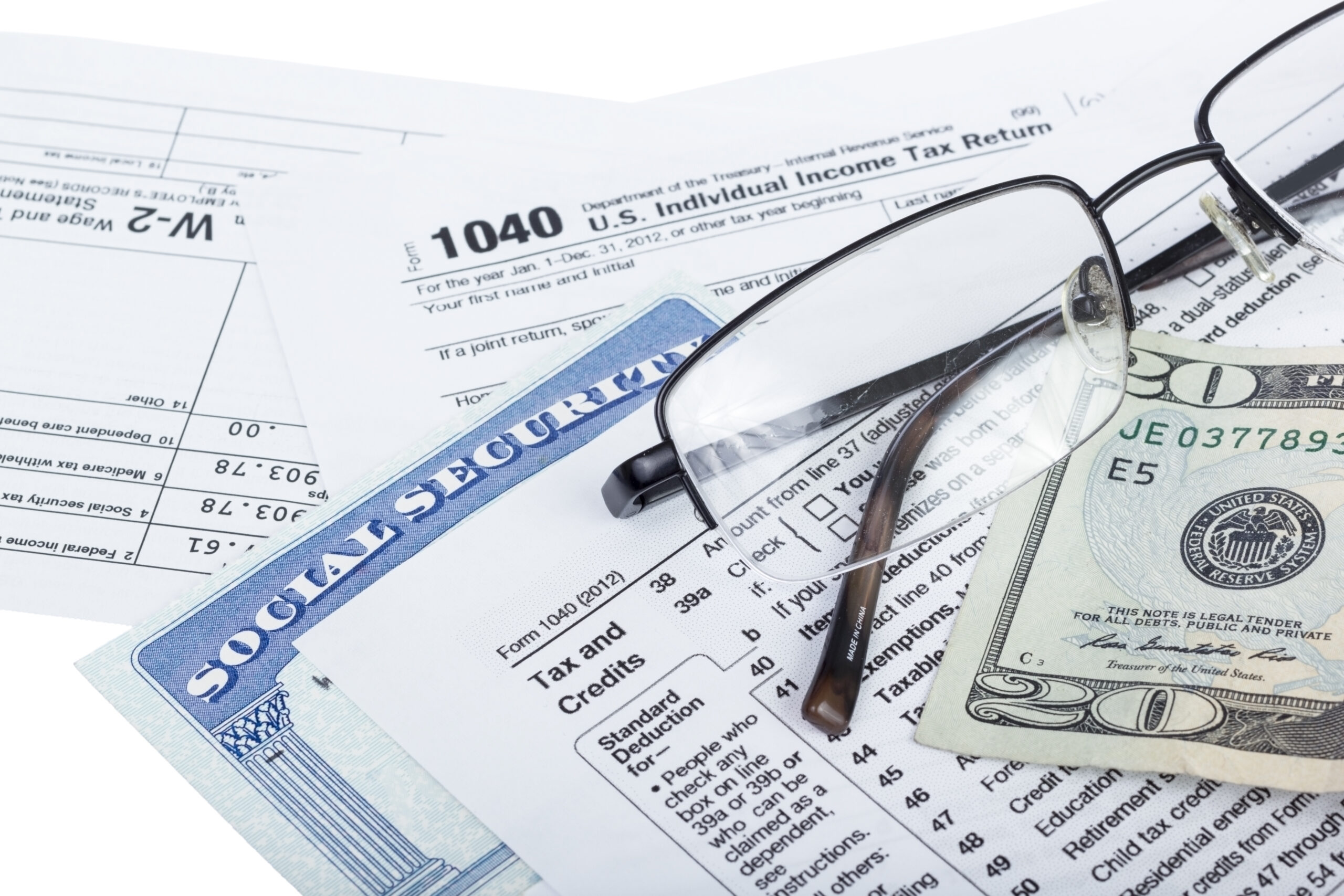
- Government-issued identification, Social Security cards, birth certificates, and passports

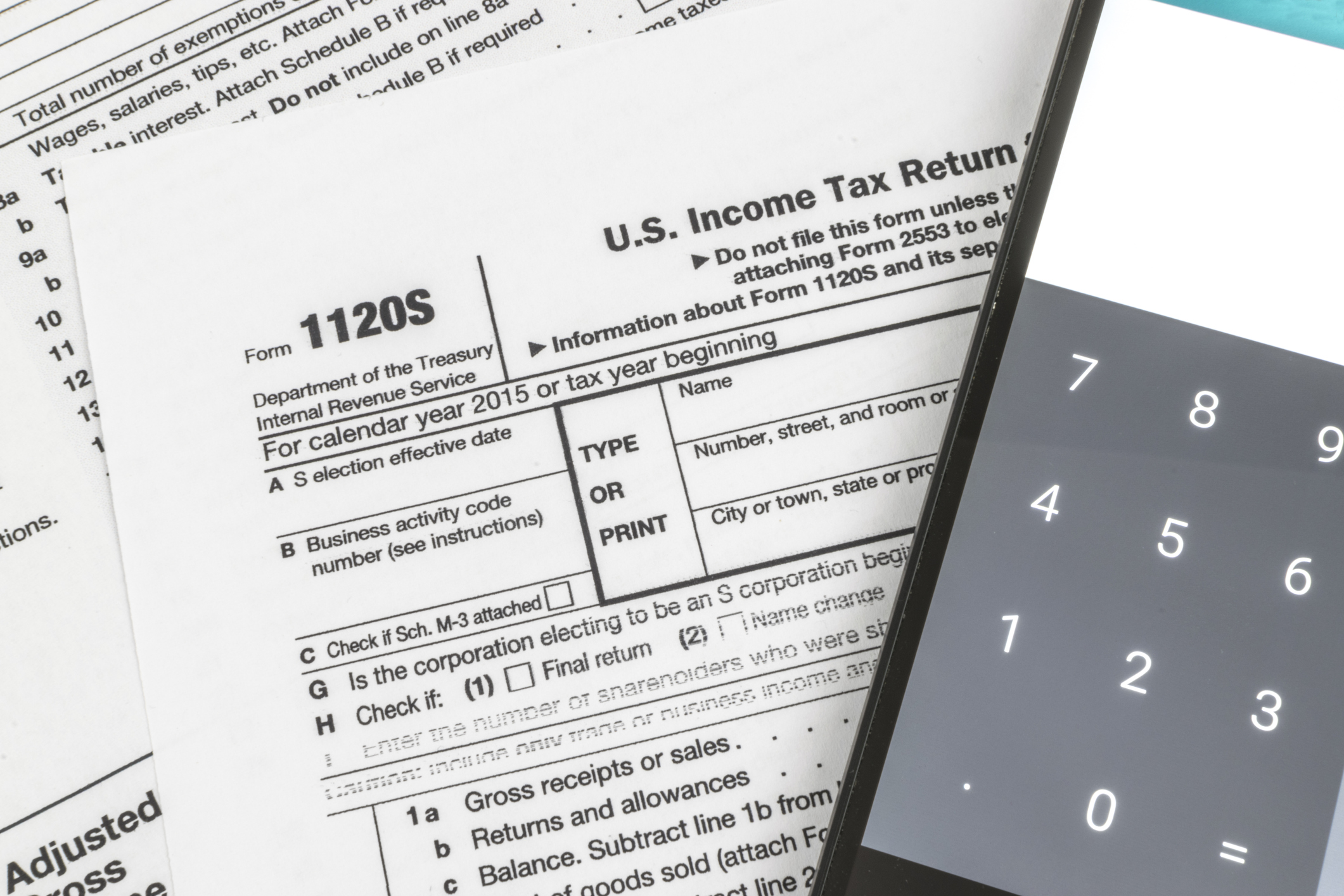
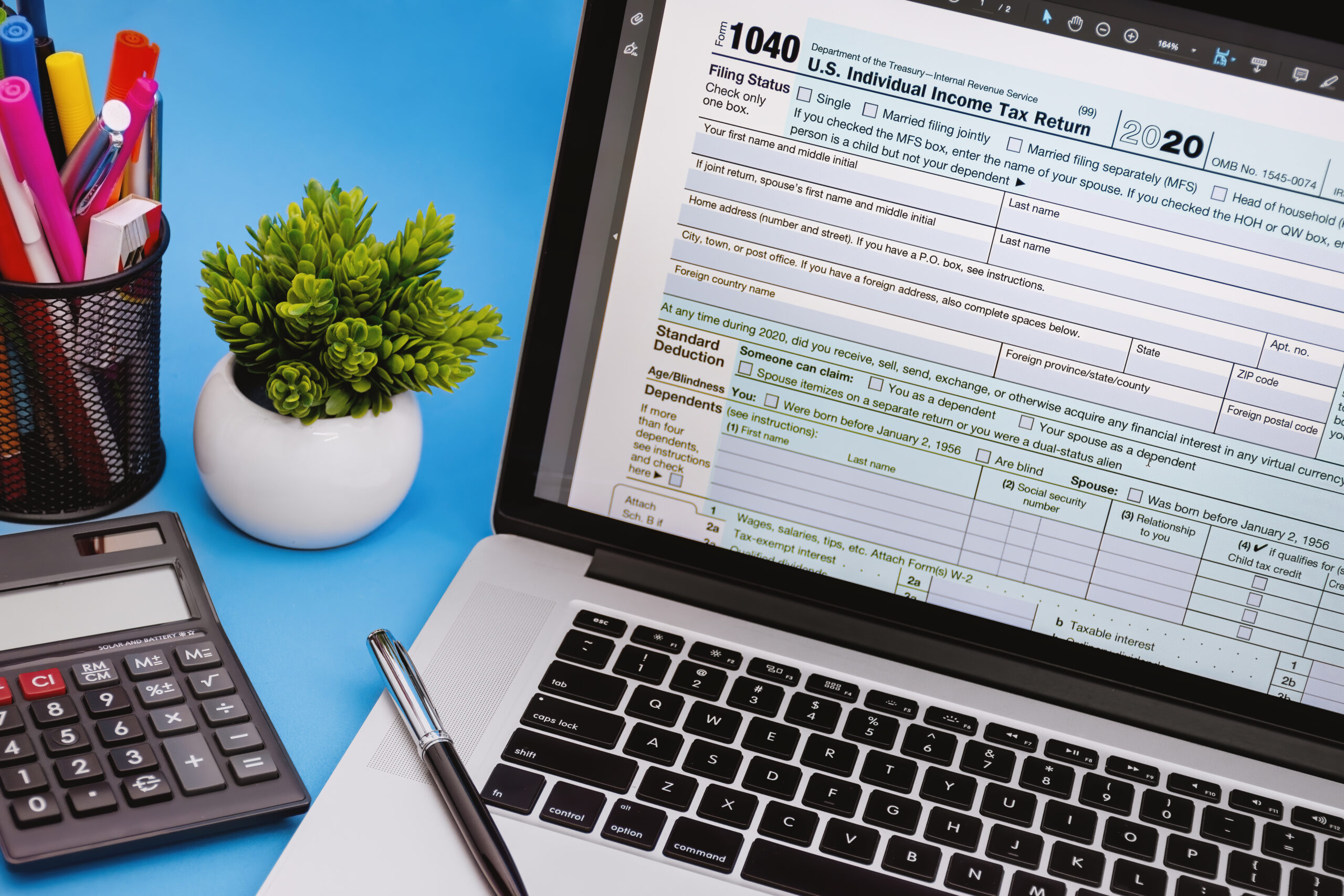
- Recent tax returns and supporting documents
- Bank, investment, retirement, mortgage, loan, and credit card information
- Insurance policies and agent contact information
- Property deeds, vehicle titles, leases, and estate planning documents
- Employer, benefits provider, attorney, accountant, and financial advisor contact information
Keep physical copies in a waterproof, fire-resistant container that you can take with you during an evacuation. Create digital copies as well, but do not rely on a single device that could be lost, damaged, or left behind. Store encrypted copies in a reputable cloud service, secure digital vault, or password-protected external drive kept in another location.
A trusted family member or representative should also know where the records are stored and how to access them if you are unavailable or unable to access them yourself.
Maintain an Inventory of Your Property
A detailed home inventory can support an insurance claim and help establish what was owned before a loss occurred. Walk through each room and photograph or record the furniture, electronics, appliances, clothing, artwork, jewelry, tools, collectibles, and other property.
For major purchases, record model and serial numbers and retain receipts, appraisals, warranties, or other proof of value. Include belongings stored in garages, attics, closets, storage units, and outdoor structures. The National Association of Insurance Commissioners (NAIC) recommends grouping possessions by room or category and retaining receipts, appraisal records, and identifying information when available.
Store the inventory somewhere other than your home or keep a secure digital backup. Review it at least annually and update it after major purchases, renovations, or other changes.
Review Insurance Coverage and Beneficiaries
Having an insurance policy does not necessarily mean every type of damage is covered. That’s why it’s important to review your homeowners or renters policy to understand coverage limits, deductibles, exclusions, replacement-cost provisions, and additional living expense coverage.
Ask whether separate coverage may be needed for risks such as flooding or earthquakes. High-value property, including jewelry, art, electronics, or collectibles, may also have coverage limits that require additional protection.
The NAIC recommends reviewing home insurance needs annually because property values, replacement costs, renovations, and personal possessions can change over time. Just as importantly, review life insurance, retirement accounts, and other financial products with beneficiary designations as well. Confirm that the individuals listed still reflect your wishes, particularly after a marriage, divorce, birth, death, or other significant life event.
Prepare to Access Funds During an Outage
An emergency may temporarily limit access to online banking, ATMs, credit card systems, or local branches. Keep a list of your financial institutions’ customer service numbers and know how to access your accounts without relying solely on a saved password or mobile app. Consider maintaining a modest amount of cash in a secure location for immediate expenses when electronic payments are unavailable. At the same time, avoid keeping more cash at home than you can afford to lose through theft, fire, or other damage.
A dedicated emergency fund can help cover evacuation expenses, temporary lodging, deductibles, repairs, and interruptions in income. Even a small amount can provide additional flexibility and reduce the need to rely on high-interest debt. The CFPB recommends keeping emergency savings somewhere safe, accessible, and separate from funds used for routine spending.
Protect Sensitive Information
The last thing you want to do when facing a disaster is unwittingly expose yourself to new security risks. As such, it’s important that you use strong, unique passwords for financial accounts and enable multifactor authentication whenever available. Avoid storing passwords, account numbers, Social Security numbers, and security answers in a single unencrypted document.
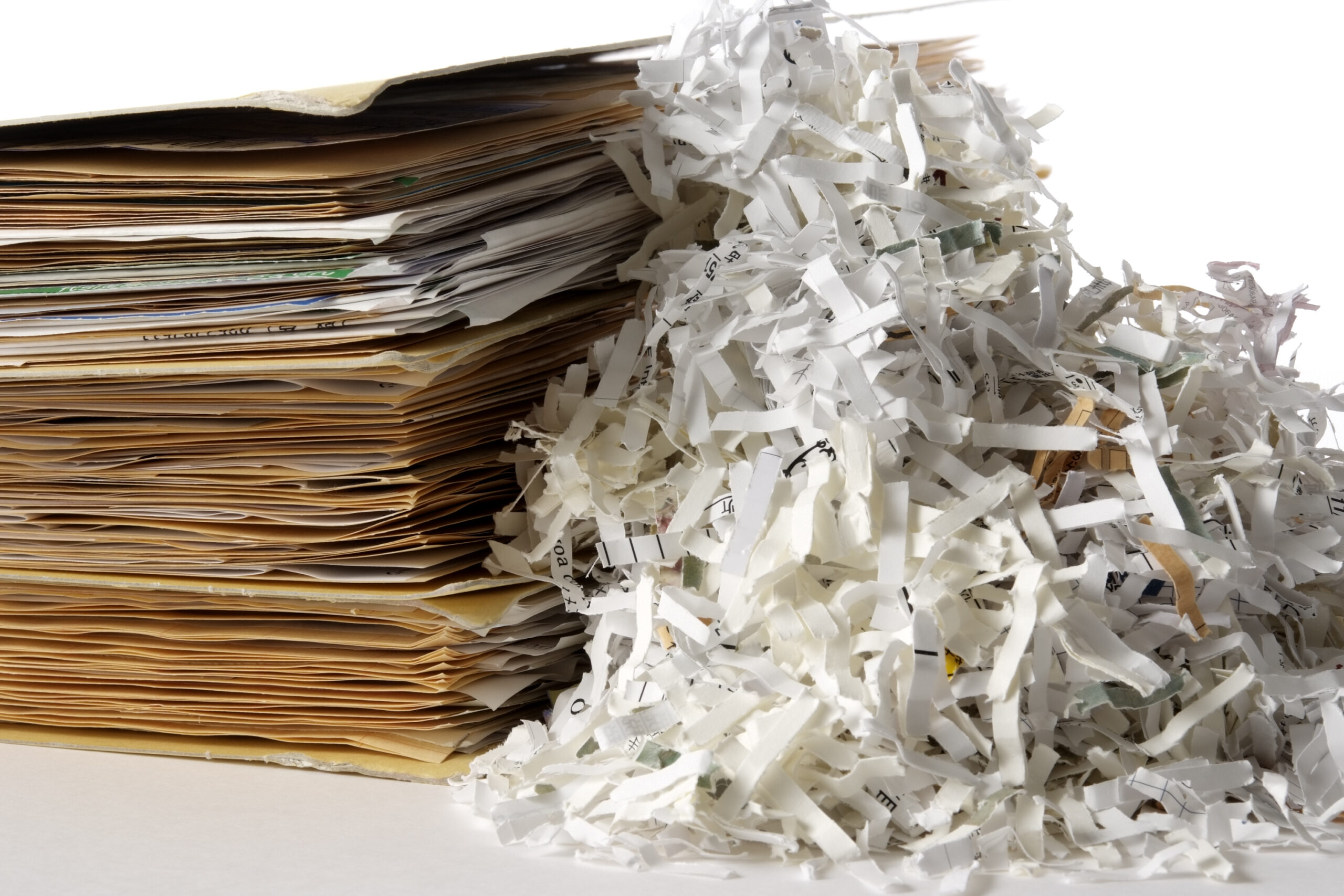
Securely dispose of outdated records by shredding them rather than placing them in the trash. Regularly review bank and credit card activity, and pay attention to missing bills, unexpected withdrawals, unfamiliar accounts, or changes to your contact information.
Be particularly cautious after a disaster. Scammers may pose as government representatives, contractors, insurance professionals, or charities. Be wary of unexpected requests for payment, banking information, or other sensitive personal information. Before providing financial or personal information, verify the request through an official website, phone number, or other trusted source.
Know How to Document Losses and Expenses
After an emergency, take photographs and videos of damaged property before cleaning or making repairs, when it is safe to do so. Create a written inventory of the damage and record when and how the loss occurred. Contact your insurance carrier promptly and maintain a log of conversations with insurers, contractors, lenders, and government agencies. Note the date, the name of the person you spoke with, and any claim or reference numbers.
Save receipts for temporary lodging, meals, transportation, emergency supplies, cleanup, repairs, and replacement property. These records may support an insurance claim, reimbursement request, disaster assistance application, or potential tax position at a later date.
If original records are destroyed, copies may sometimes be reconstructed through banks, employers, insurance companies, county property offices, vehicle valuation resources, attorneys, or tax professionals.
Understand Potential Disaster-Related Tax Relief
Depending on the type of disaster and location, affected taxpayers may qualify for either postponed filing or payment deadlines, casualty loss deductions, or other forms of relief. Eligibility and limitations can vary based on whether an event receives a federal, state, or qualified disaster designation.
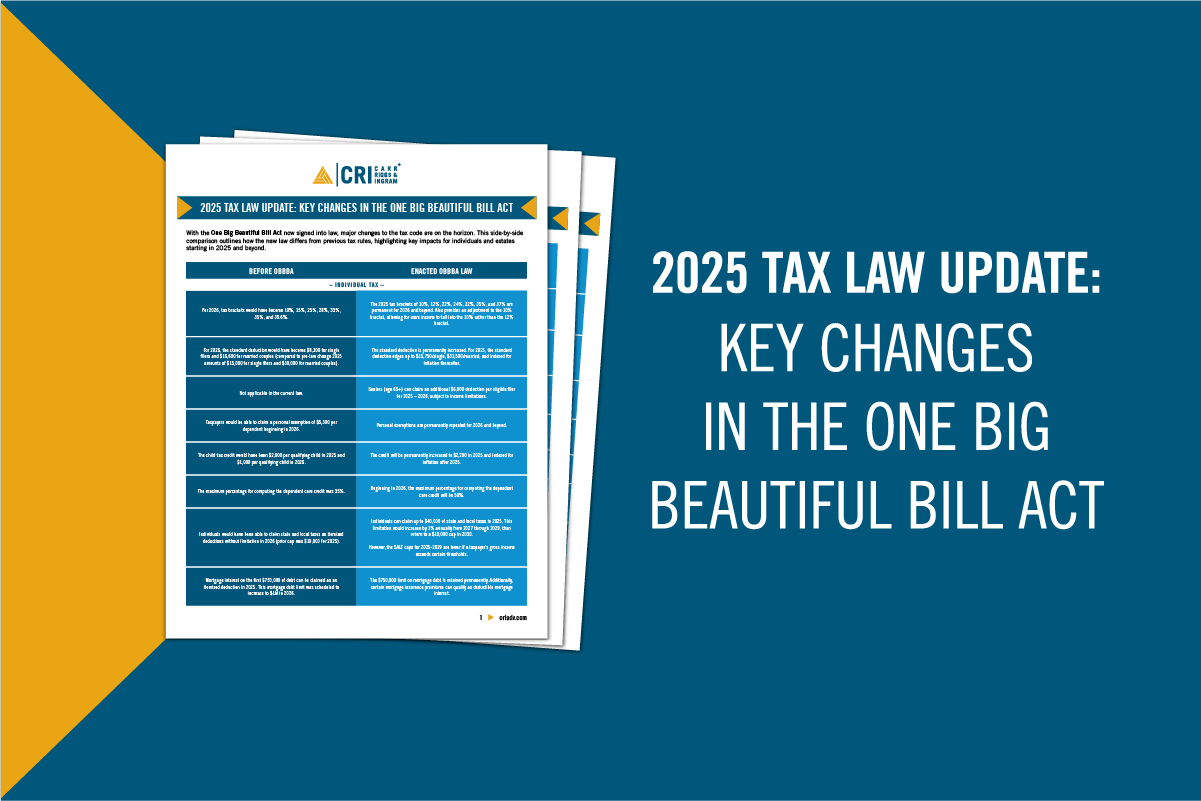
Under the One Big Beautiful Bill Act, beginning in 2026, federal law permanently expanded the personal casualty loss deduction so that certain losses from state-declared disasters may qualify in addition to losses associated with federally declared disasters. Different calculations, thresholds, and documentation requirements may apply based on the type of declaration.
The IRS issues disaster-specific guidance identifying eligible areas, postponed deadlines, and available relief. Do not assume that every property loss or emergency expense will qualify for a deduction. Retain records showing the property’s original cost or tax basis, its value before and after the event, insurance reimbursements, and related expenses.
Prepare Before the Forecast Changes
Even though financial recordkeeping can’t prevent an emergency, it can make the days and weeks afterward more manageable. Accessible records can help you verify your identity, reach your financial institutions, document what was lost, support insurance and assistance claims, and make informed decisions as recovery begins.
Review your financial emergency file at least once a year and whenever your accounts, insurance coverage, property, or family circumstances change. Contact your CRI advisor to discuss disaster-related recordkeeping, potential tax relief, and the documentation that may be needed following a loss. A few steps taken before an emergency can provide valuable support when time, access, and information are limited.