
One Business, Two Perspectives: Making Better Decisions with Tax and Audit*
- Contributors
- Peyton P. Gordon
- Landon Weaver
Nov 6, 2026
A decision that saves your company money on taxes could still be the wrong business decision.
Consider a contractor planning a significant year-end equipment purchase. From a tax perspective, accelerating the purchase may create valuable deductions and reduce current-year taxes. But if that equipment is financed, the additional debt could affect financial ratios, loan covenants, working capital, or metrics important to the company’s surety.
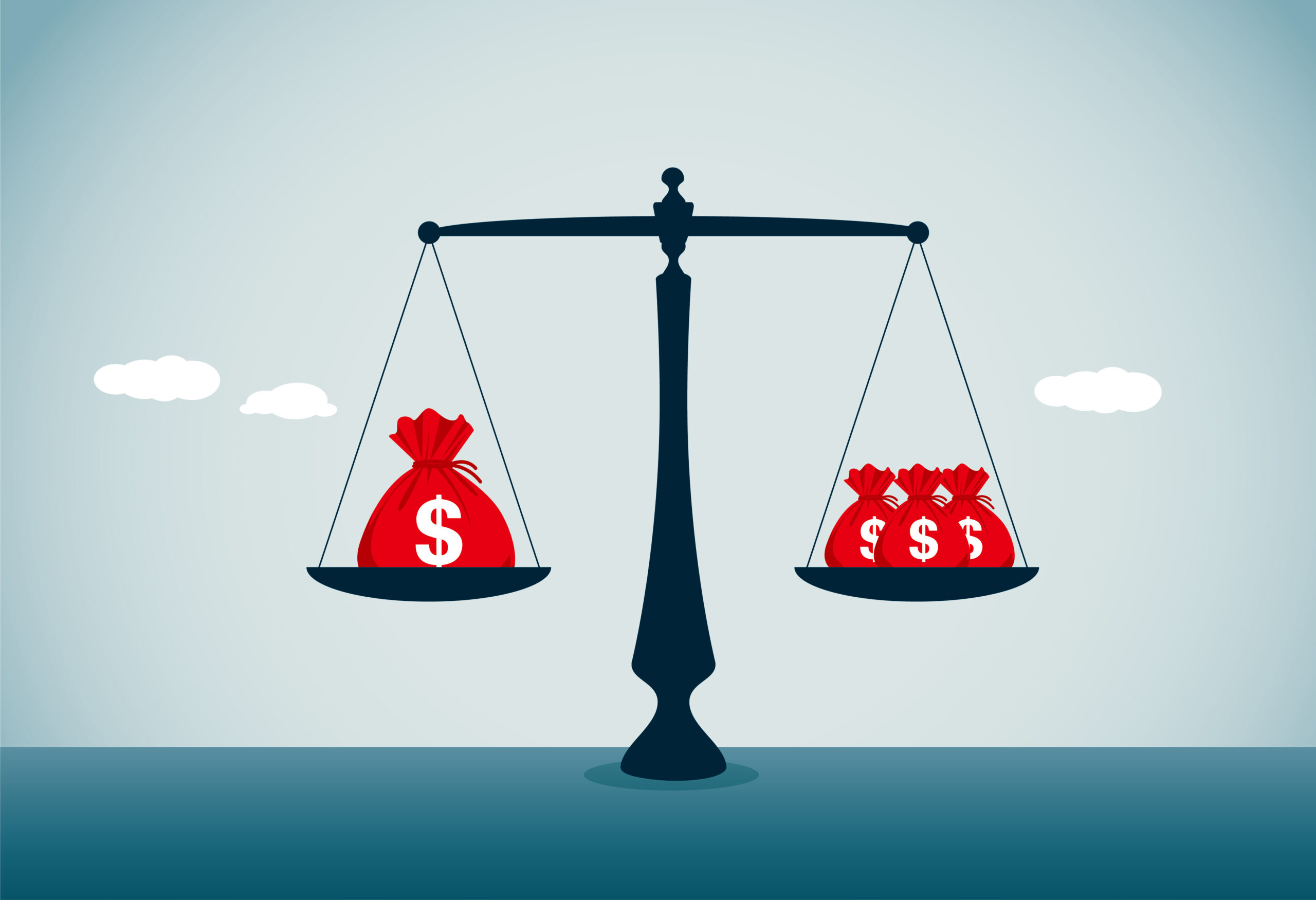
Neither perspective is wrong. The problem occurs when only one perspective is considered before the decision is made. Tax and financial reporting are often treated as separate compliance functions, but major business decisions rarely fit neatly into one category. Bringing both perspectives into the conversation early allows management to understand the trade-offs while there is still time to structure the decision differently.
Where the Two Perspectives Can Pull in Different Directions
Tax advisors and audit or accounting professionals often look at the same decision through different lenses. A tax advisor may be focused on opportunities to defer income, accelerate deductions, manage cash taxes, or structure a transaction more efficiently. An accounting professional may be considering how that same decision affects earnings, working capital, financial ratios, debt covenants, bonding capacity, or the presentation of the company’s financial position.
The best answer from one perspective is not always the best answer from the other. Management ultimately has to weigh those considerations and decide what best supports the business as a whole. The value comes from understanding both the tax and financial reporting implications before committing to a course of action.
Five Decisions That Deserve Both Perspectives
These competing objectives show up in common business decisions. The following are five situations where management should consider both perspectives before moving forward.
1. Before You Buy Major Equipment or Make a Capital Investment
From a tax perspective, management may be focused on available deductions, the timing of the purchase, accelerated depreciation, and the effect on current taxes. But how the company pays for the equipment matters just as much as the deduction. If the purchase is financed, the additional debt may affect financial ratios, debt covenants, working capital, or bonding capacity. If the company pays cash, it may preserve those ratios while reducing liquidity and the cash available to fund operations, payroll, or future jobs. A tax deduction can reduce the after-tax cost of an investment, but it does not make the investment free. Spending $1 solely to save a fraction of that amount in taxes can create cash-flow problems quickly if the equipment is not otherwise needed or the company has not considered the broader financial impact.
Management question: Are the current tax savings worth the potential impact on our financial position, cash flow, financing, or bonding capacity?
2. Before You Make a Decision Primarily to Reduce Taxes
Construction companies provide a clear example. Management may be focused on presenting strong working capital, equity, and profitability because those measures can be important to sureties, lenders, and the company’s ability to pursue larger projects. At the same time, the tax team may identify legitimate opportunities to defer taxable income or accelerate deductions. Year-end employee bonuses are a practical example. Paying bonuses before year-end may accelerate a deduction and reduce current taxable income, but it also requires a real cash outlay at a time when the business may need liquidity for payroll, retainage, mobilization, materials, or upcoming projects. Management should consider whether the bonus makes sense for the business and its employees first, and then evaluate the tax benefit—not spend cash simply to create a deduction. A strategy that produces the lowest current-year tax liability may not produce the best overall business result if it negatively affects cash flow or financial metrics that matter more to the company’s growth strategy. The lowest tax bill is not always the best business result.
Management question: Are we minimizing taxes at the expense of another business objective that matters more?
3. Before You Expand Into Another State or Market
Entering a new state can create income, franchise, sales and use, payroll, property, and other tax obligations. Growth may also affect licensing, systems, internal controls, and financial reporting. For a contractor, these costs need to be understood before the job is priced—not after work begins. Louisiana is a good example because contractors may encounter state and parish-level taxes and requirements that differ by location. If an additional local tax cost is missed when the job is bid, the contractor may have already given away part of its margin before the project even starts. For a manufacturer or distributor, adding a location, employees, inventory, or customers in a new market can create similar complexity. The tax question is therefore not only, 'Where do we have to file?' but also, 'Did we understand the cost of doing business there when we priced the opportunity?'
Management question: Do we understand the full tax, compliance, and operational cost of entering this market before we price the opportunity or commit to it?
4. Before You Buy a Business or Change Ownership
Transaction structure and purchase price allocation can have significant tax consequences while also affecting the balance sheet and future financial reporting. The important word is before. Bringing tax and accounting professionals into the discussion before an LOI or other terms are finalized can help management identify alternatives while there is still an opportunity to change the structure.
Management question: Have both teams reviewed the proposed structure before we sign something that limits our options?
5. Before a Sale or Succession Becomes Imminent
Preparing for a sale or ownership transition involves more than getting through due diligence. Clean financial information, accurate records, thoughtful tax structuring, and an understanding of historical tax exposures all take time to address. Identifying issues early gives management the opportunity to correct them before a buyer, lender, or other third party finds them—and before the timeline of a transaction limits the available options.
Management question: What would a buyer discover today that we would rather identify and address ourselves?
Bring Both Perspectives to the Table Early
Not every business decision requires a meeting with every advisor. But significant decisions often deserve more than one perspective. Year-round communication makes it easier to bring the right people into the conversation before the decision is final rather than waiting until tax filing or audit season.
A useful rule of thumb is simple: if a decision is significant enough to discuss with your banker, surety, attorney, or leadership team, it may also be worth discussing with both your tax and accounting advisors before it is finalized.
The goal is not always to pay the least tax or optimize a single financial metric in isolation. It is to understand the trade-offs and choose the outcome that best supports the business as a whole. Once an agreement is signed, a purchase is completed, or a transaction closes, some planning opportunities may disappear. Having both perspectives at the table before that happens gives management more options—and better information on which to base the decision.
Contact your CRI advisor before your next major investment, transaction, expansion, or ownership change to discuss how tax and financial reporting considerations may affect the decision.