
Recognizing Fraud Risks Across Your Organization
- Contributor
- J.P. Tujague
Nov 2, 2026
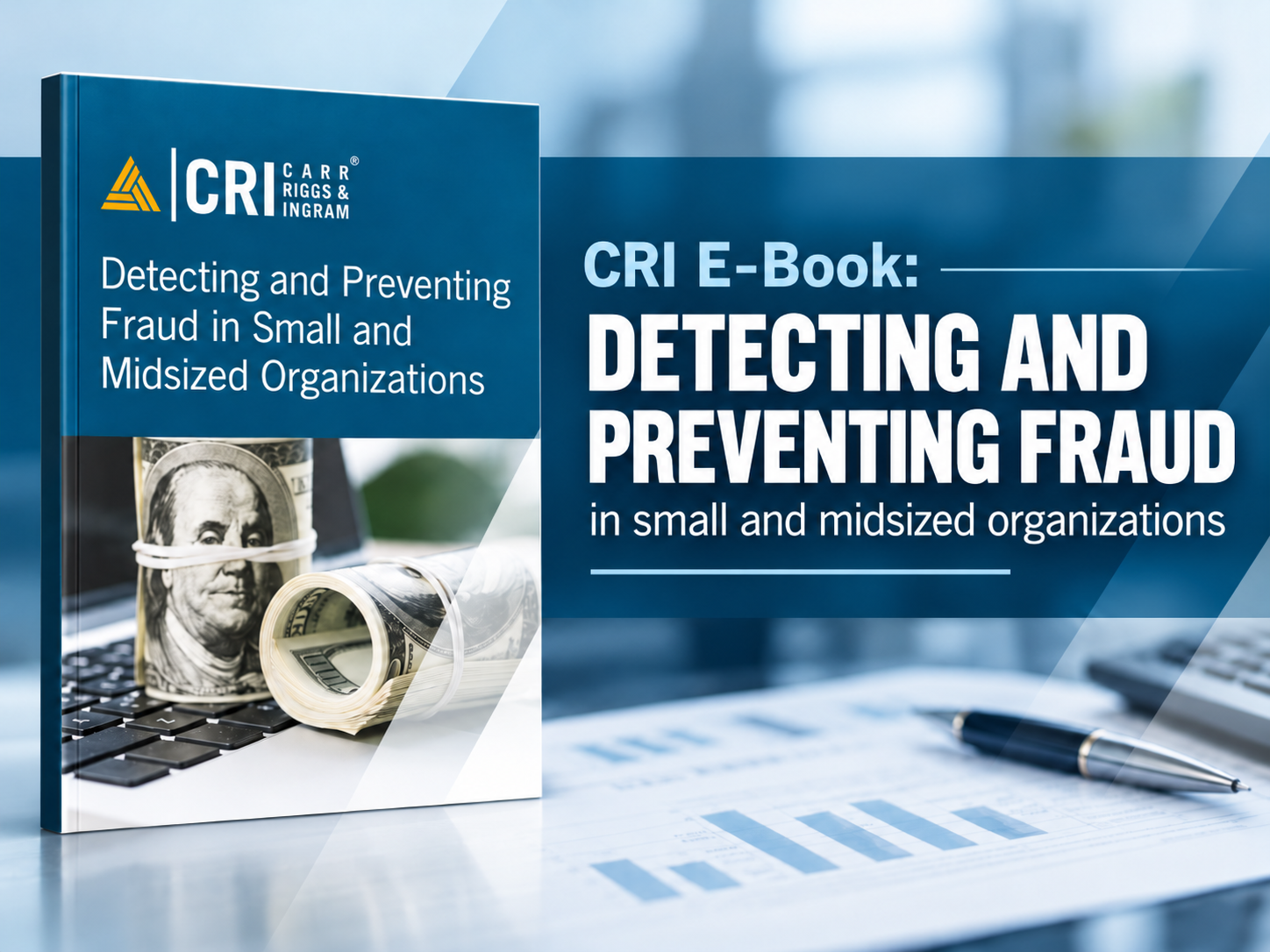
Fraud can occur in organizations of any size or industry, often when weaknesses in internal controls create opportunities for misconduct. These vulnerabilities can go undetected and lead to significant financial losses. Recognizing common warning signs and implementing appropriate safeguards can help organizations reduce their exposure and strengthen financial oversight.
Leadership Transitions
Leadership changes can create opportunities for fraud, particularly when financial responsibilities and oversight shift. Maintaining strong internal controls during these transitions is essential to reducing potential vulnerabilities.
Red flag: Turnover in executive management.
Potential problem: When a CFO, controller, CEO, or other key leader leaves or changes responsibilities, interim financial leaders or accounting personnel may gain access to financial processes without the usual level of oversight. These circumstances can create opportunities for fraud.
Prevention strategy: Establish a system of controls to ensure appropriate oversight of anyone with access to the organization’s finances, even if they are filling the role on an interim basis.
Red flag: New leaders who lack an accounting or institutional knowledge base.
Potential problem: Especially in government and nonprofit organizations, new executives often rely on existing accounting personnel for training on accounting processes. If bookkeepers do not share key information or fully explain the process, they can take advantage of the change in leadership to create opportunities to misdirect funds without detection.
Prevention strategy: Providenew leaders with comprehensive training on accounting processes, internal controls, and their own oversight responsibilities, as well as teach them how to access documentation of the organization’s financial activities.
Vendors and Contractors
Relationships with outside vendors and contractors can introduce fraud risks when purchasing, payment, and verification processes lack sufficient oversight. Even established business relationships require ongoing monitoring to identify unusual activity or potential discrepancies.
Red flag: Lack of vendor and contractor documentation.
Potential problem: Overbilling can take place even after an appropriate procurement and vendor selection process, especially if no one asks for documentation that supports key details like work performed, hours logged, and rates charged.
Prevention strategy: Regularly review purchase orders and invoices against the original contract to verify that pricing terms and service agreements are followed and the work was performed.
Red flag: Higher-than-expected vendor payment totals.
Potential problem: Employees could set up shell companies that mimic the names of legitimate vendors in order to collect fraudulent payments. Alternatively, they could add a new vendor to the company’s vendor records, using a name that’s similar to a legitimate vendor. To avoid detection, an employee could change the name on the check to their own, or even make out checks to themselves and change the name of the recipient in the accounting software after the fact.
Prevention strategy: Periodically analyze vendor lists to check for multiple, similar entries or unusually high vendor payment totals. If a potential discrepancy is noted, compare the bank’s image of the canceled check to the original payee in the company’s records.
Red flag: A new vendor’s address (or other details) matches an employee’s address—or appears otherwise invalid (e.g., a vacant lot, unused PO box, or nonexistent location).
Potential problem: An employee could be creating a fictitious vendor and funneling payments to themselves. Since the vendor isn’t real, no goods or services are actually provided—but payments appear legitimate on the books.
Prevention strategy: Incorporate a verification process for new vendors:
- Require third-party documentation of the vendor’s legitimacy (e.g., W-9 form, business license).
- Cross-check the vendor’s address, phone number, and bank account against employee records.
- Periodically audit vendor addresses using online mapping and public records to confirm they correspond to bona fide business locations.
Credit Cards
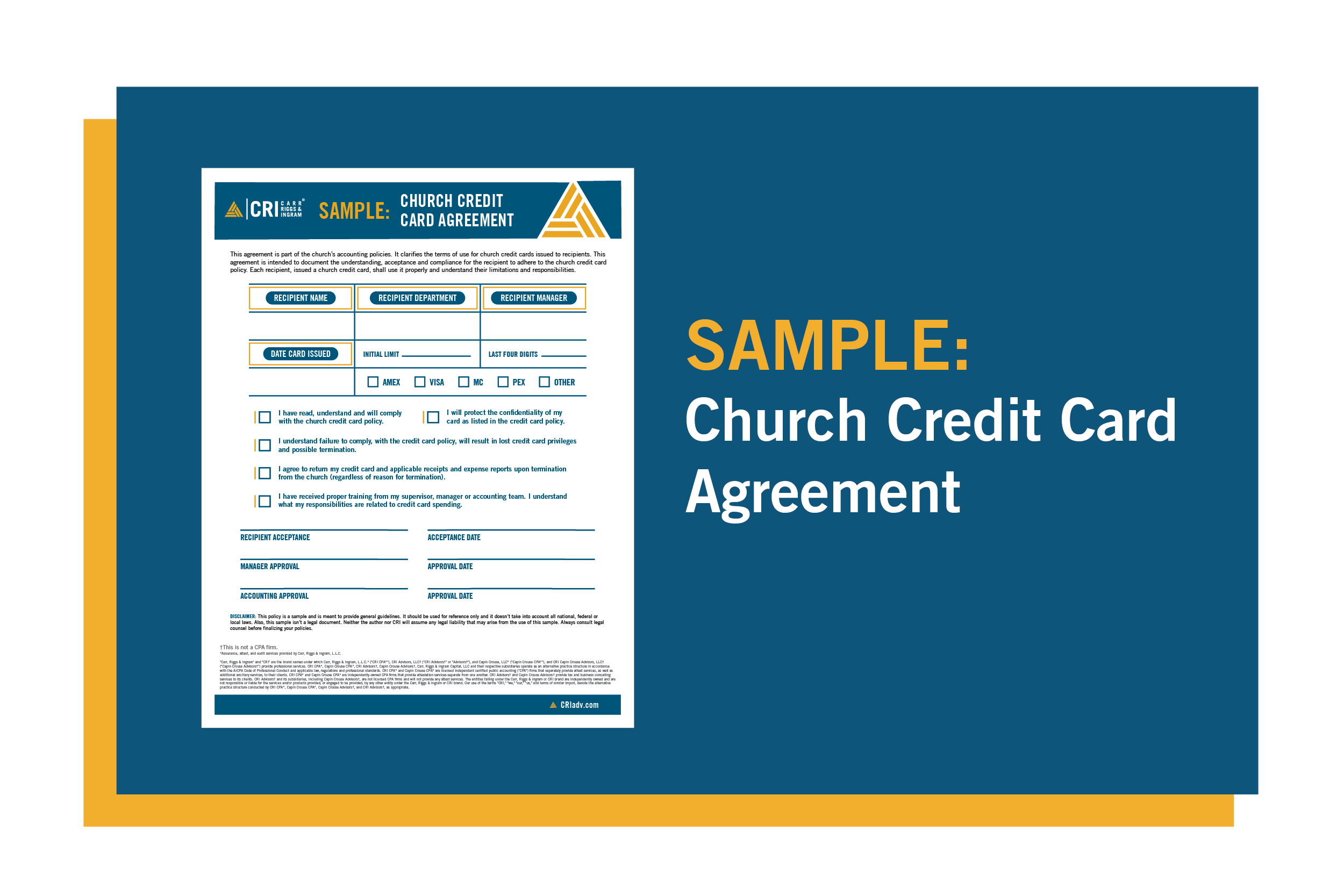
Company credit cards can simplify purchasing and expense management, but they can also create opportunities for unauthorized spending. Regular reviews of transactions and supporting documentation can help organizations identify suspicious activity and maintain accountability.
Red flag: Increased purchases at common vendors.
Potential problem: Rising credit card charges can potentially indicate fraud, especially when:
- There are no records to support the charges.
- Spending is inconsistent with historical periods.
- The charges occur outside of business hours (e.g., purchases at night, on weekends, or by staff who are off duty or on vacation at the time of the purchase).
Prevention strategy: Monitor spending at big-box stores, looking for trends and patterns within the records. Confirm that spending spikes relate to authorized charges and examine receipts to verify that purchased goods align with your organization’s needs.
Red flag: Reimbursement requests from employees who have company credit cards.
Potential problem: Employees may make purchases using an organization’s procurement card and submit the same receipts for reimbursement.
Prevention strategy: Closely analyze all reimbursement requests, especially when employees with procurement cards submit reimbursement requests.
Red flag: Unexpected shipping addresses.
Potential problem: Employees could be using company credit cards to order items for personal use from Amazon, Walmart, and other common vendors.
Prevention strategy: Pay attention to where goods purchased through company accounts are being delivered. If the shipping address doesn’t indicate a familiar office location or job site, further analysis may be required.
Accounting and Bookkeeping
An organization's financial records can reveal early warning signs of fraud, but only when they are accurate, timely, and subject to appropriate review. Unusual transactions, reporting delays, and gaps in oversight may indicate underlying issues that require further investigation.
Red flag: Delinquent payments.
Potential problem: Delinquent payments to vendors, credit cards, and other accounts can signal misappropriation of funds. Employees attempting to conceal fraudulent activity may manipulate financial records or delay payments, eventually resulting in mounting unpaid obligations and vendor complaints.
Prevention strategy: Establish clear expectations for timely vendor payments and investigate complaints about overdue accounts. Regularly reconcile bank statements with accounting records, paying particular attention to transaction timing and unexplained delays. An increase in late payments or complaints may warrant a closer review of financial records.
Red flag: Untimely records.
Potential problem: Delayed financial reporting can make fraudulent activity more difficult to detect, particularly when records are several months behind. Employees responsible for these delays may be viewed as hardworking or overwhelmed, allowing suspicious activity to go unquestioned.
Prevention strategy: Insist on timely maintenance of all books and financial records. Provide extra support for accounting functions as needed and do not allow employees to reject or redirect additional accounting resources. Any significant delay in completing and finalizing financial statements, bank reconciliations, budget reporting, or documentation of funds available calls for investigation.
Red flag: Higher-than-expected payroll totals.
Potential problem: Unauthorized bonuses, duplicate payments, or other compensation adjustments may indicate weaknesses in payroll oversight. If these activities go undetected, employees may exploit similar control gaps to commit additional fraud.
Prevention strategy: Implement strict internal controls and enforce separation of duties. Require multiple people to approve payroll, bonuses, and reimbursements, if possible. Regularly analyze payroll records and employee earnings to check for anomalies.
Board of Directors
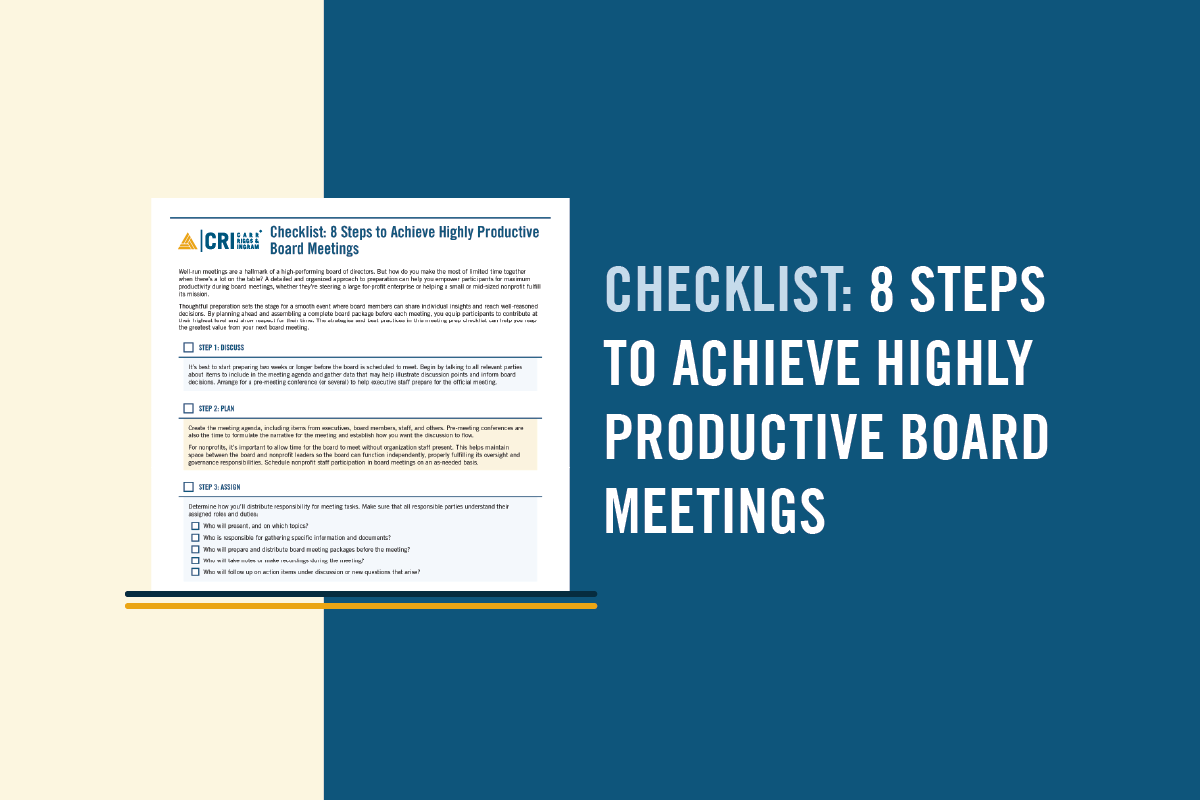
Board members play an important role in maintaining financial accountability and organizational integrity. However, conflicts of interest and insufficient oversight can create opportunities for fraud, making transparency and adherence to established governance policies essential.
Red flag: Related-party transactions.
Potential problem: Board members could commit fraud by writing off loans to related parties, disguising unallowed compensation, or paying inflated management fees to organizations owned by related parties.
Prevention strategy: Carefully consider all interactions with related-party entities. Consider whether a structure that includes related parties is necessary for company operations: Does it achieve a legitimate goal, or is it simply a way to move money around to benefit certain individuals?
Red flag: Personal relationships.
Potential problem: Tight-knit relationships between board members and executive management or vendors can enable conflicts of interest. This kind of environment discourages rigorous oversight and can allow quid pro quo arrangements for awarding contracts to related-party companies.
Prevention strategy: Pay attention to these relationships and be vigilant for any hint of impropriety. Adhere to all policies and procedures for contracting and oversight, even if personal relationships make these measures seem unnecessary or feel awkward.
Red flag: Inadequate board financial packages.
Potential problem: Board members don’t always get the information they need to provide proper financial oversight. It may be intentional or can reflect insufficient internal controls.
Prevention strategy: Ensure board packages contain complete, current financial statements and other information necessary for effective oversight. Review established financial policies and controls to verify that board members receive the information needed to monitor the organization's financial activities.
Take Steps to Prevent and Detect Fraud
While no organization can eliminate the risk of fraud entirely, strong internal controls, consistent oversight, and an understanding of potential warning signs can help reduce vulnerabilities and identify suspicious activity before significant losses occur.
Contact your CRI advisor to discuss strategies for strengthening fraud prevention and detection within your organization. Taking a proactive approach to identifying and addressing potential weaknesses can help protect financial resources and support long-term organizational stability.