
Why IT Credentials Matter for Protecting Your Business and Financial Data
- Contributor
- Allison D. Ward
Jul 22, 2026
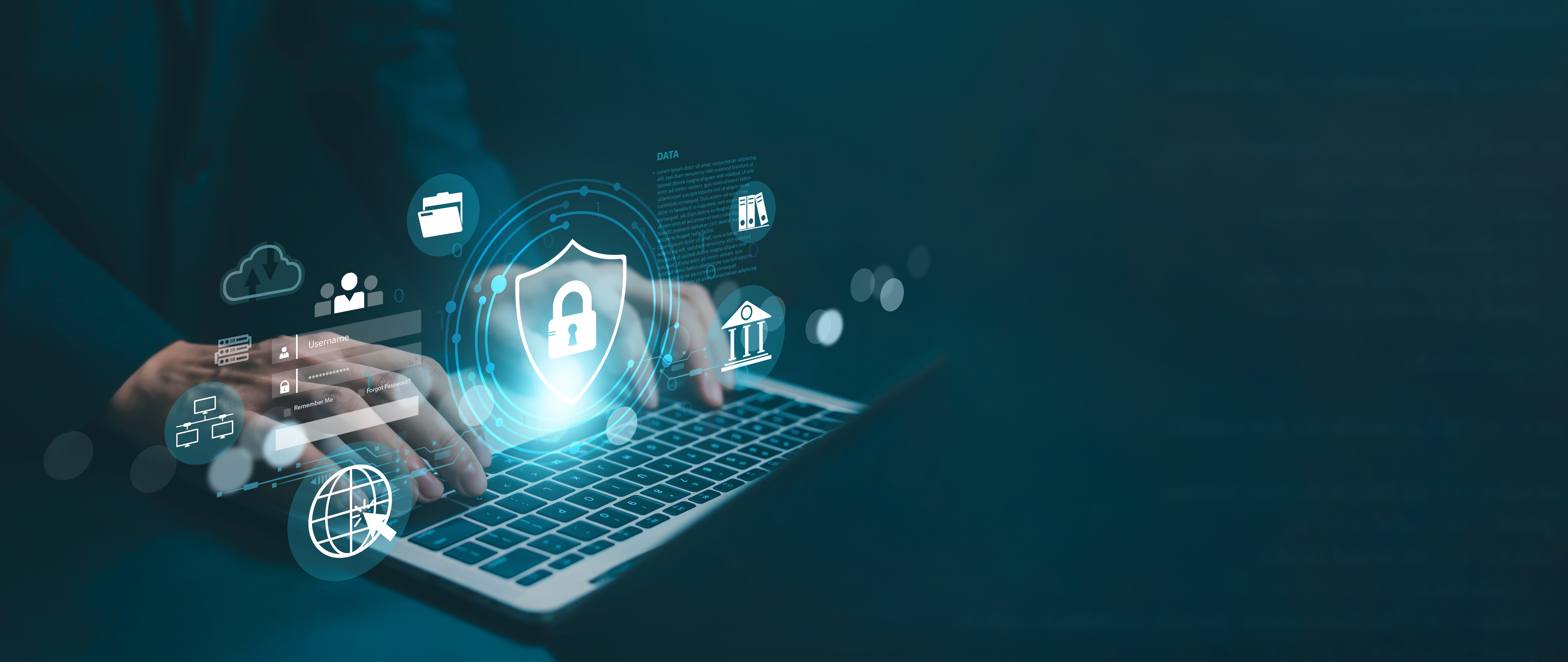
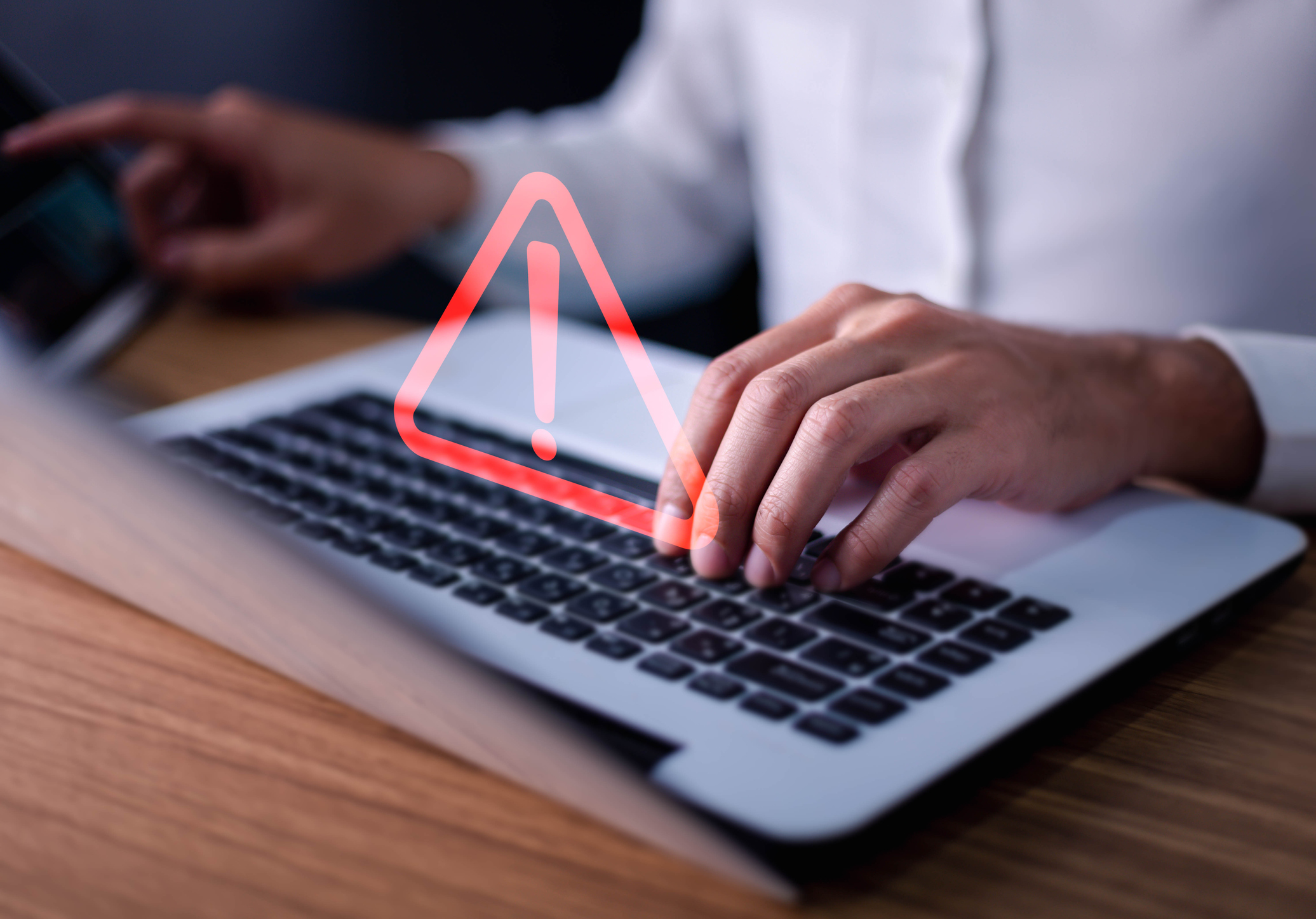
A single misconfigured system or an outdated and vulnerable software can expose your organization’s payroll data, banking details, and client financial information. As cyber threats continue to increase in both frequency and sophistication, the qualifications of the professionals managing your IT environment matter more than ever.
One important way to assess those qualifications is through IT credentials, and understanding what credentials can represent helps clarify their value to your organization.
What Are IT Credentials
IT credentials are formal certifications that validate a professional’s knowledge in specific areas such as cybersecurity, network security, management and security of cloud platforms, data protection, or risk management. Some credentials are vendor-neutral and focus on general best practices and frameworks, while others are vendor-specific to demonstrate expertise in specific technologies and environments.
These credentials can provide business owners an objective measure of the competence of their technology staff. IT credentials indicate that an individual has met defined industry standards and, in most cases, participates in ongoing education to maintain that certification.
Reducing Risk Through Verified Expertise
Credentialed IT professionals are trained to follow established security frameworks and recognized best practices. Skilled staff reduce the likelihood of common issues that often result in data breaches and downtime, including system misconfigurations, inadequate access controls, or usage of outdated security protocols.
From a financial perspective, strong IT controls help protect sensitive information such as payroll data, tax records, banking details, and customer financial data. Requiring your staff to maintain IT credentials can demonstrate that your systems are designed and managed by qualified professionals who understand both technical and business risks.
Meeting Regulatory, Insurance, and Client Expectations
Expectations around cybersecurity are rising. Regulators, lenders, insurers, and business partners increasingly ask organizations to demonstrate how they manage technology risk. Cyber insurance applications, third-party risk assessments, and due diligence reviews often reference the qualifications of the professionals responsible for the IT and information security functions at the organization.
The decision to work with credentialed professionals helps demonstrate that a business’s management has taken reasonable steps to ensure systems are overseen by individuals with verified, current expertise. This can be especially valuable during audits, compliance reviews, or discussions with insurers and stakeholders.
Why Experience Alone Is Not Enough
Experience is important, but in today’s rapidly changing technology landscape, it may not be sufficient on its own. Cyber threats evolve quickly, and technologies change faster than many business processes. Most IT credentials require continuing education and periodic recertification, helping ensure that professionals stay current with emerging risks, new tools, and updated standards.
Credentials and experience work best together. Experience provides practical insight, while credentials help ensure that knowledge remains relevant and aligned with current best practices.
Strengthening Advisory Relationships
Credentialed IT and cybersecurity professionals are positioned to provide clear, informed guidance that aligns technology decisions with business and financial strategy. For organizations, this creates stronger collaboration between financial, operational, and technology advisors, supporting more informed decision-making at the leadership level.
A Signal of Trust and Accountability
Ultimately, IT credentials support trust. They signal accountability, professionalism, and a commitment to maintaining high standards in an area that directly affects financial integrity and business continuity.
As technology continues to play a central role in how organizations operate and grow, working with credentialed IT and cybersecurity professionals should be viewed as a proactive investment in protecting both your data and reputation. Contact our cybersecurity advisors to learn how we can help you evaluate your cybersecurity controls and reduce your organization’s risk.