How to Prepare Your Financial Reporting Function Before Going Public
- Contributor
- Josh Hallett
Aug 26, 2026
Going public can be a significant milestone for a growing company, but it requires more than a strong market story or access to capital. Whether through an initial public offering (IPO), reverse merger, or special purpose acquisition company (SPAC) transaction, a company’s accounting and financial reporting function must be ready for the demands of the public markets.
For many private companies, the challenge is not the decision to go public, but whether the reporting function is ready for what comes next. The transition may require SEC-ready financial statements, PCAOB-compliant audits, and a more formal approach to internal controls. Preparing early can help companies identify reporting gaps, strengthen internal processes, and build the infrastructure needed to operate as a public company.
When Should a Company Start Preparing to Go Public?
Companies should begin preparing well in advance of a transaction. A public company readiness process is often most effective when it begins 18 to 24 months before a potential IPO, reverse merger, or SPAC transaction. Companies may need additional time if they are growing quickly, have completed multiple acquisitions, operate with a complex structure, or face industry-specific accounting considerations.
The preparation timeline matters because public company readiness involves more than producing audited financial statements. Companies may need to revisit accounting policies, strengthen the control environment, and make sure their systems and documentation can support recurring SEC reporting deadlines. The earlier management starts, the more room the company has to resolve issues before they become transaction obstacles.
Building the Right Accounting and Reporting Infrastructure
Private company accounting teams are often built around management reporting, tax compliance, lender requirements, and annual audits. Public companies need a broader, more formalized reporting environment designed for recurring SEC reporting, audit readiness, and investor-facing disclosures.
Before entering the public markets, leadership should ask whether the accounting function has the people, processes, systems, and controls needed to keep pace. This includes the ability to produce accurate financial statements on a compressed timeline, maintain appropriate documentation, and respond efficiently to transaction-related questions.
A strong reporting infrastructure may include:
- Experienced accounting leadership with public company or SEC reporting knowledge
- Technical accounting resources for areas such as revenue recognition, leases, stock-based compensation, business combinations, segment reporting, and earnings per share
- Formal accounting policies and procedures that are consistently applied and documented
- A close process that supports timely monthly, quarterly, and annual reporting
- Financial reporting systems capable of producing reliable data and supporting audit evidence
- Internal control documentation, including process narratives, risk-control matrices, and evidence of review
- Governance support for board and audit committee oversight
- Coordination among accounting, legal, tax, operations, investor relations, and external advisors
This infrastructure does not need to be built all at once, but it should be developed intentionally. Companies may need to hire internal personnel, outsource specialized functions, or supplement the team with experienced advisors. For some organizations, co-sourcing can provide access to SEC reporting, technical accounting, and public company readiness experience without immediately building a full internal team.
Preparing for SEC Reporting and Common Going-Public Issues
Going public increases both the level of scrutiny and the frequency of reporting. Companies should assess whether their historical financial statements, accounting policies, disclosures, and supporting documentation are ready for public company review.
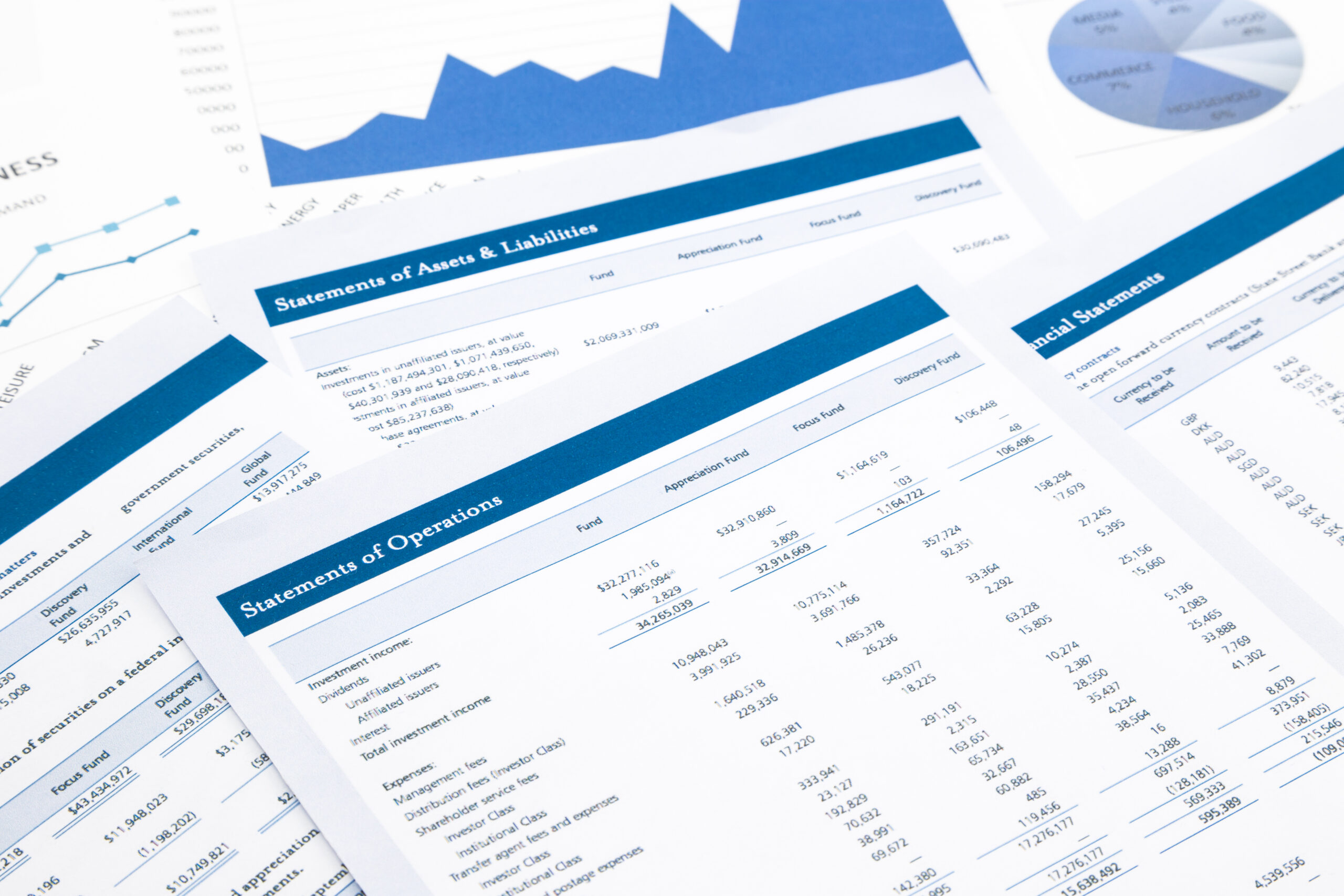
Companies may need to review historical financial statements, pro forma financial information, non-GAAP measures, and management’s discussion and analysis through a public company reporting lens. Disclosures involving liquidity, debt, related-party transactions, significant estimates, and other risk areas may also require additional attention. Historical transactions may also require additional analysis, particularly when equity activity, debt changes, acquisitions, carve-outs, or complex revenue arrangements were not originally evaluated with public company reporting in mind.
Industry-specific issues can add complexity. Companies in commercial real estate, construction, hospitality, manufacturing and distribution, and oil and gas may need to address specialized accounting and disclosure matters related to contracts, inventory, impairment, reserves, leases, debt covenants, or project-based financial reporting.
Timing can quickly become one of the biggest pressure points, especially in a reverse merger or SPAC transaction. If the accounting and reporting function is not ready, management may be trying to complete audits, prepare SEC-compliant disclosures, implement controls, and respond to diligence requests simultaneously.
What to Expect with a PCAOB Audit
A PCAOB audit differs from a traditional private company audit conducted under AICPA standards. PCAOB audits are designed for issuers and generally involve more extensive procedures, heightened documentation expectations, and increased focus on areas that may be significant to investors.
For companies preparing to go public, the audit process may require additional time and effort. The auditor may need to perform procedures over prior periods, evaluate whether previously issued financial statements meet PCAOB requirements, and assess supporting documentation in areas such as management estimates, revenue recognition, equity transactions, related-party activity, and internal controls.
Companies should also be prepared for strict auditor independence requirements. Services or relationships that may have been acceptable in a private company environment could create independence concerns in a public company setting. Management should review existing advisor relationships early to determine whether changes are needed. Taking time to resolve these issues before the audit begins can help reduce friction, limit surprises, and support a more efficient path through the transaction process.
Take the Next Step Toward Public Company Readiness
Preparing to go public requires careful planning across the business. CRI can help companies understand where their reporting function stands today, address gaps before they become transaction issues, and prepare for PCAOB and SEC compliance requirements throughout the capital markets process.
Contact your CRI advisor to discuss how your company can prepare its financial reporting function before going public. With the right support, leadership can approach the public markets with greater confidence and a reporting function built for the expectations ahead.