
After the Storm: How Natural Disasters Can Affect Your Financial Statements
Sep 21, 2026
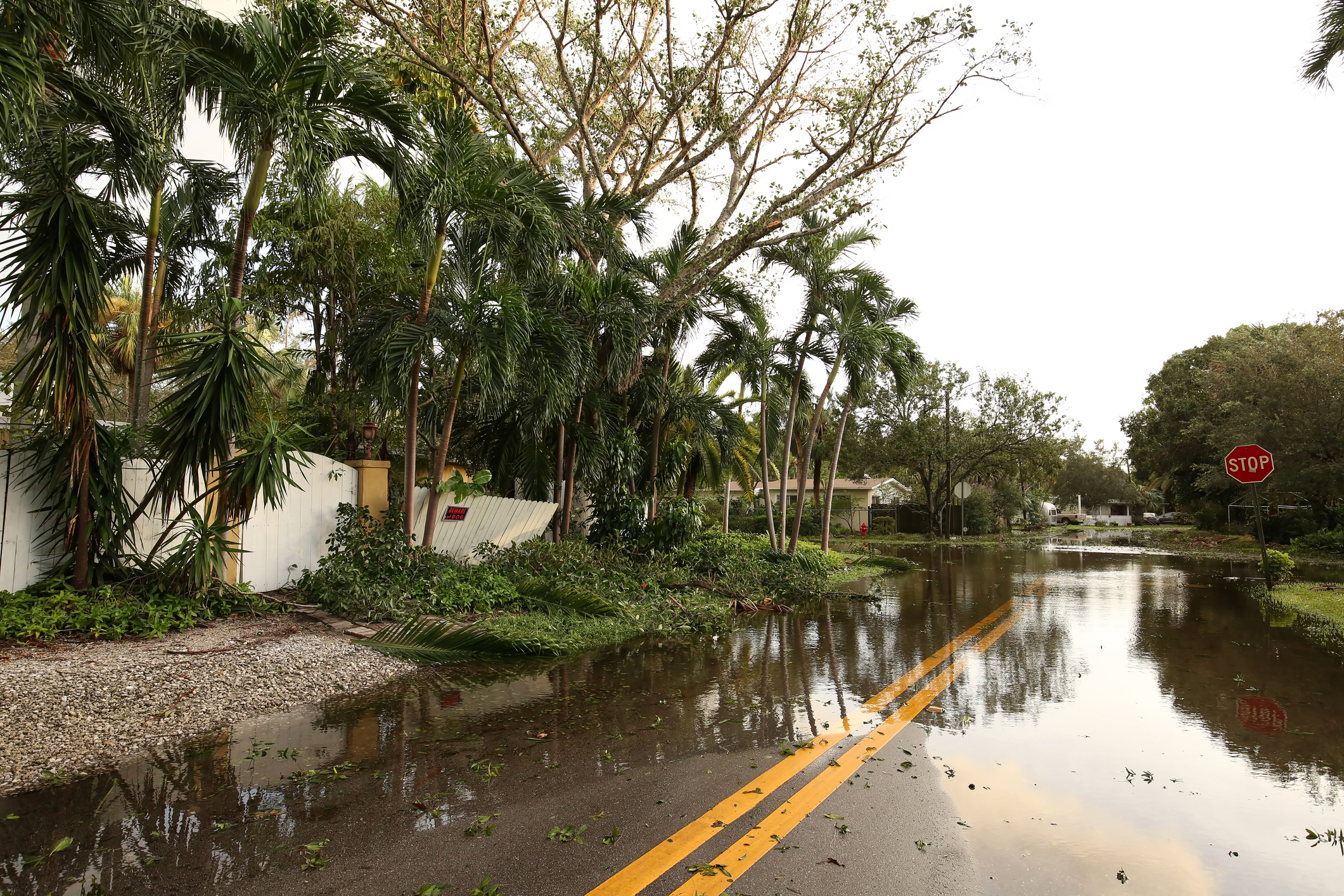
Whenever a natural disaster hits, the first questions are usually immediate: What was damaged? How long will operations be disrupted? What will insurance cover?
Once the immediate response is underway, another set of questions will almost certainly follow. How should the damage be reflected in the financial statements? When can an insurance recovery be recognized? Does the timing of the event affect the accounting?
Unfortunately, those answers aren’t always straightforward. A single disaster can affect multiple areas of the financial statements, and the accounting treatment may differ depending on what was damaged, when the event occurred, and how much information is available. Financial reporting under U.S. GAAP and the tax treatment of disaster-related losses may differ, so each should be evaluated separately.
What Did the Disaster Actually Affect?
Once the immediate damage is under control, the accounting question becomes: What did the disaster actually affect?
For long-lived assets, significant physical damage or a change in how an asset can be used may trigger an impairment analysis. If the asset or asset group is no longer recoverable, the company may need to recognize an impairment loss.
Inventory can require a different approach. Items that were destroyed may need to be written off, while damaged or deteriorated inventory may need to be written down.
The impact can also extend beyond physically damaged property. If customers were affected by the same disaster and their ability to pay has changed, management may need to revisit expected credit losses associated with outstanding receivables. Other assets, obligations, and business arrangements may also require attention depending on the circumstances.”
Remember that there usually isn't one catch-all disaster entry. Different effects of the same event can require different accounting treatment.
A Disaster Loss Is Not an “Extraordinary Item”
Natural disasters may be unusual to us, but under U.S. generally accepted accounting principles (GAAP), natural disaster losses are not classified as “extraordinary items,” even when the event itself is unusual or infrequent. FASB eliminated extraordinary-item accounting with Accounting Standards Update 2015-01.
Material losses may still require separate presentation or disclosure so financial statement users can understand their effect on the business. The focus is on clearly presenting the event's impact rather than applying an extraordinary-item classification.
Insurance Does Not Automatically Offset the Loss
Insurance can lessen the financial impact of a disaster, but accounting for recovery is generally separate from accounting for the loss itself. Filing a claim does not automatically mean a company can record an insurance receivable. Management must evaluate whether the expected recovery meets recognition requirements.
For insurance recoveries related to a recognized loss, an asset may generally be recorded when recovery is considered probable. If the expected proceeds would exceed the loss already recognized, the excess is generally subject to gain-contingency guidance and may not be recognized until a later point.
That can create an important timing difference. A company may need to record a loss before it can recognize some or all of the related insurance recovery.
Documentation also matters. Businesses should maintain documentation supporting both the loss and the expected recovery. Insurance proceeds can also affect the statement of cash flows. Classification generally follows what the proceeds are replacing. For example, proceeds related to damage to a building or other long-lived asset may be classified as investing cash flows, while business-interruption proceeds are generally classified as operating cash flows. If one settlement covers several types of losses, you may need to split the proceeds across more than one cash flow classification.
Timing Matters
When a disaster occurs can change the accounting treatment. If the event happens after the balance sheet date but before the financial statements are issued or available to be issued, it is generally treated as a nonrecognized subsequent event when it relates to conditions that did not exist at the balance sheet date.
That does not necessarily mean the event can be ignored. If the impact is material, disclosure may still be needed to describe what happened and, when possible, estimate the financial effect.
Information received after year-end can also provide additional evidence about conditions that already existed at the balance sheet date, which may affect estimates recorded in the financial statements. For businesses closing their books near the time of a major disaster, the timing of the event and the information available afterward should be evaluated carefully.
Accounting Is Part of the Recovery Process
While the physical cleanup may begin immediately, the accounting impact can continue to develop as damage estimates change and insurance claims move forward. Bringing your accounting team in early can help identify reporting issues, evaluate insurance recoveries, and support key decisions.
Natural disasters are disruptive enough on their own. Addressing the accounting questions early can help keep financial reporting from becoming another challenge. Contact your CRI advisor to discuss how a natural disaster could affect your organization’s financial statements and what accounting considerations may need attention.