New SBA Quality of Earnings Requirement: What 7(a) Lenders Need to Know
- Contributor
- Doug Mims
Oct 8, 2026
Beginning October 1, 2026, SBA 7(a) lenders must obtain an independent Quality of Earnings (QoE) report for certain business acquisition transactions with a business purchase price of $3 million or more. The requirement applies to initial business acquisitions and business expansions through acquisition that receive an SBA loan number on or after October 1.
The new requirement adds an independent review of the earnings supporting the transaction and directly affects the debt-service-coverage calculation used in underwriting.
When Does the Requirement Apply?
Applications receiving an SBA loan number on or after October 1, 2026, are subject to the new requirement. Applications receiving a loan number through September 30 remain subject to the previous SOP.
The $3 million threshold is based on the business purchase price stated in the purchase agreement before deducting the buyer’s equity contribution or considering seller financing or other funding sources. The appraised value of owner-occupied commercial real estate included in the transaction is excluded from the calculation.
For example, a $3.5 million transaction that includes $1 million of qualifying owner-occupied real estate would generally have a $2.5 million business purchase price for purposes of the QoE requirement.
Owner buyouts, ESOP transactions, and cooperative conversions are excluded from the automatic requirement. A lender may still require a QoE for an excluded transaction or an acquisition below $3 million based on its own credit policies or identified risk.
Who Must Perform the QoE?
The QoE must be prepared by an independent, experienced financial professional for the lender’s benefit. A report commissioned by the seller, borrower, or business broker does not satisfy the requirement.
This makes engagement planning particularly important. Lenders must identify an independent provider and incorporate the QoE into their acquisition due diligence process.
What Does the QoE Cover?
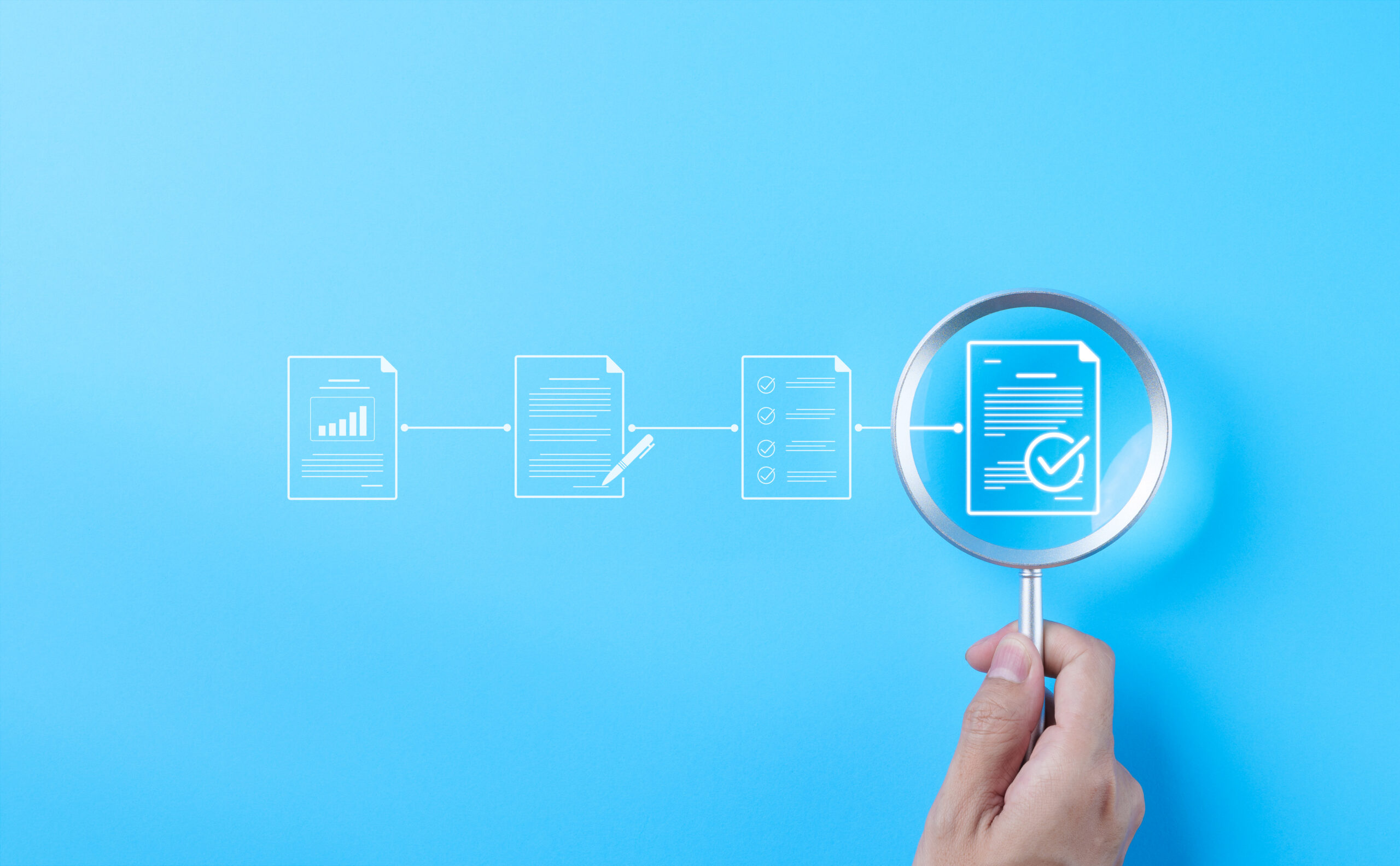
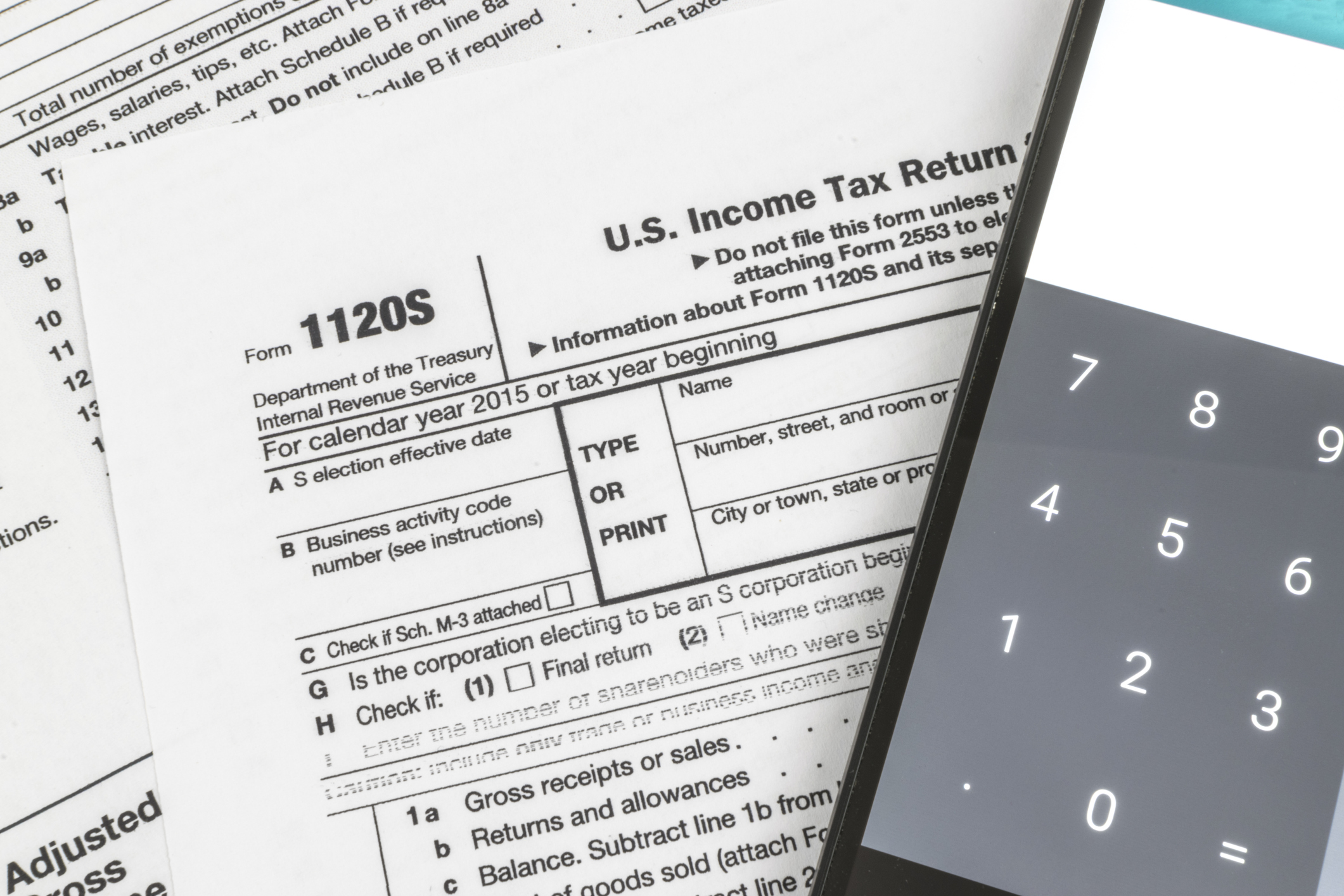
The QoE is intended to independently validate the earnings supporting the transaction. The analysis includes reconciling financial statements, tax returns, internal financial information, and IRS transcript data, along with evaluating adjustments and add-backs, recurring and nonrecurring activity, and the sustainability of revenue and margins.
The analysis must also include a cash proof reconciling reported receipts and disbursements to bank activity for the trailing 12 months and the two most recent fiscal years. The result is a normalized or adjusted earnings figure that reflects the financial performance supporting the transaction.
The QoE does not replace the required business valuation. A valuation addresses the value of the business, while the QoE evaluates the reliability and sustainability of the earnings supporting the transaction and proposed debt structure.
How Does the QoE Affect Underwriting?
Lenders must use the QoE-derived earnings figure in determining debt-service coverage and retain the report in the credit file. If the validated earnings do not support the proposed debt structure, the loan amount may need to be reduced or additional borrower equity required.
Under the new SOP, the generally applicable minimum debt-service coverage ratio is 1.25x for an initial acquisition and 1.15x for a business expansion.
Preparing for October 1
SBA lenders should start identifying transactions subject to the new requirement and determining how independent QoE engagements fit into their existing underwriting process. Because the analysis requires detailed financial information and cash verification, addressing it early can help avoid delays as transactions move toward closing.
CRI’s Financial Institutions and Transaction Advisory Services professionals can assist SBA lenders with independent Quality of Earnings analyses, including cash proof procedures and normalized earnings analysis. Contact your CRI advisor to discuss the new SBA Quality of Earnings requirement and how your institution can prepare for transactions receiving SBA loan numbers on or after October 1, 2026.